


Sleep Apnea

SLEEP APNEA – NO MORE CPAP!!

Snoring And Fatigue Are Signs Of Sleep Apnea

Sleep Apnea Is A Risk Factor For Heart Attacks And Strokes
At Home Sleep Studies
  • No Hospital or Sleep Center needed
  • The study is in the comfort of your own bed
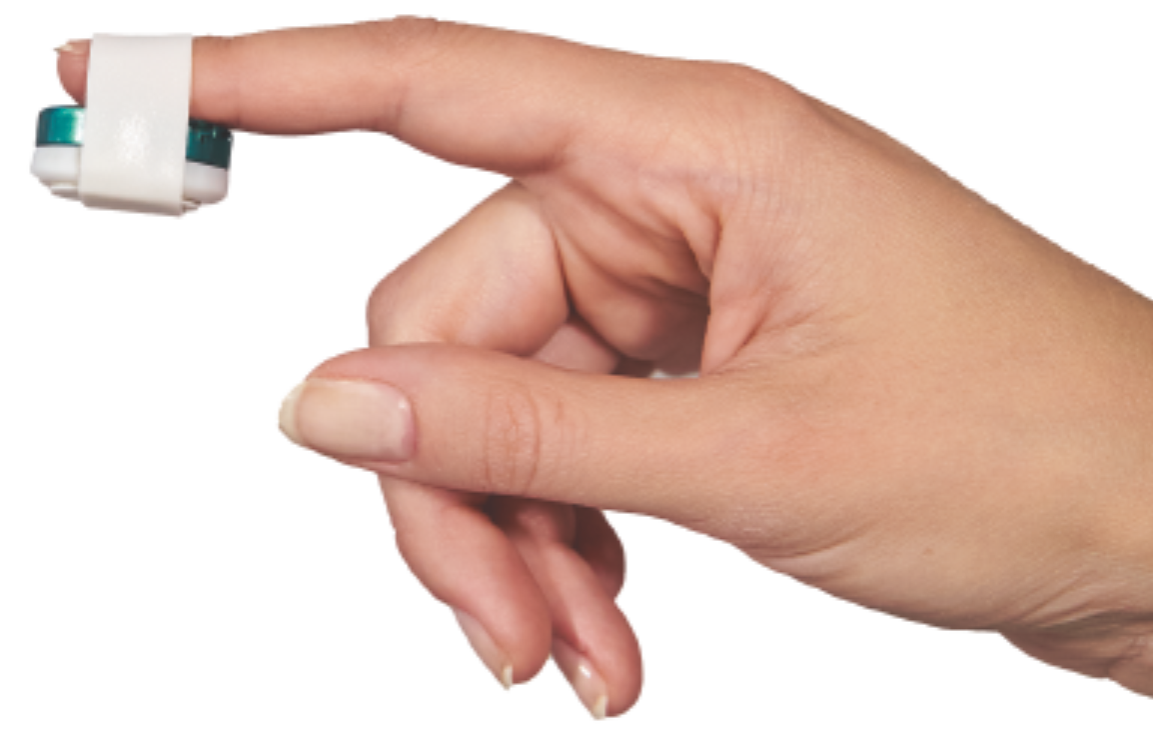
  • Test just goes on the tip of your finger
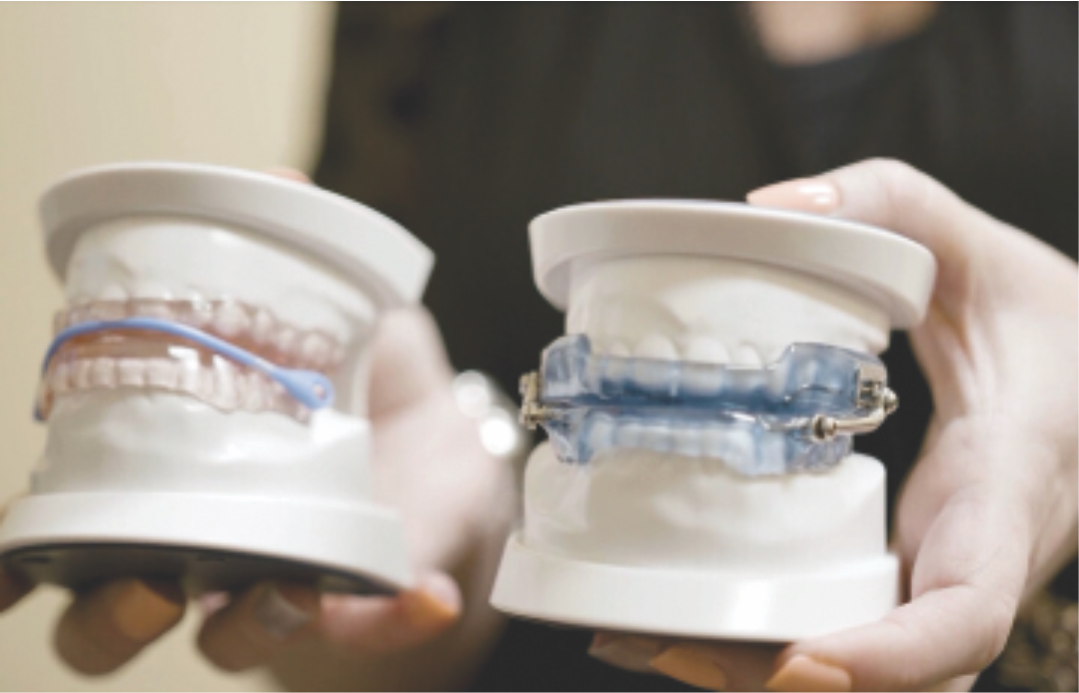
Treatment: Oral Appliance

  • A mouthpiece that increases oxygen in your body
  • Decreases the risks of Heart Attacks and Strokes
  • No CPAP needed
    – No noise
    – No plugs
    – Sleep in any position
  • Easy to travel with
  • Stop your Snoring and Daytime Fatigue
  • Increase your energy
  • Get better sleep!
Get Your At Home
Sleep Study Done Today!
Covered By Insurance

Understanding Sleep Apnea

Sleep apnea is a common yet serious sleep disorder where breathing repeatedly stops and starts. If left untreated, it can lead to significant health complications. The interruption in breathing occurs because the airway becomes blocked or the brain fails to send proper signals to the muscles controlling breathing. Sleep apnea can affect anyone, but certain factors like obesity, age, and genetics increase the risk.

There are three main types of sleep apnea: obstructive, central, and complex. Obstructive sleep apnea (OSA) is the most prevalent form, caused by a physical blockage of the airway. Central sleep apnea (CSA), on the other hand, is less common and occurs when the brain doesn’t send proper signals to the muscles controlling breathing. Complex sleep apnea syndrome, also known as treatment-emergent central sleep apnea, is a combination of both obstructive and central sleep apnea.

The impact of sleep apnea extends beyond disrupted sleep. Individuals with untreated sleep apnea may experience daytime fatigue, cardiovascular problems, metabolic issues, and even cognitive impairments. Recognizing the symptoms and seeking sleep apnea treatment is crucial for maintaining overall health and well-being.

Symptoms and Diagnosis of Sleep Apnea

Identifying sleep apnea can be challenging because many of its symptoms occur during sleep. Common symptoms include loud snoring, episodes of stopped breathing observed by another person, gasping for air during sleep, and waking up with a dry mouth or sore throat. Other symptoms include morning headaches, difficulty staying asleep, excessive daytime sleepiness, and irritability.

Because the symptoms are often subtle, many people with sleep apnea remain undiagnosed. If you suspect you have sleep apnea, it is important to consult a healthcare professional. They can conduct a thorough evaluation, which often involves a sleep study. A sleep study, or polysomnography, monitors your breathing patterns, heart rate, oxygen levels, and other vital signs during sleep to diagnose sleep apnea accurately.

In addition to polysomnography, other diagnostic tools include home sleep tests, which can be more convenient and less costly. Regardless of the method, early diagnosis and sleep apnea treatment are essential for mitigating the health risks associated with this disorder. Wellness and Pain provides comprehensive diagnostic services to ensure accurate detection and effective treatment of sleep apnea.

Sleep Apnea Treatment Options

Effective sleep apnea treatment can significantly improve quality of life and reduce the risk of serious health complications. Treatment options vary depending on the severity and type of sleep apnea. Lifestyle changes, such as weight loss, quitting smoking, and avoiding alcohol, are often recommended for mild cases. These changes can help reduce the severity of symptoms and improve overall health.

For those with moderate to severe sleep apnea, medical devices and surgical options may be necessary. Wellness and Pain offers various treatment options tailored to individual needs. Some non-invasive treatments include oral appliances that reposition the jaw to keep the airway open during sleep. These devices are custom-fitted and can be very effective for individuals with obstructive sleep apnea.

In certain cases, surgical procedures may be required to remove or reduce tissue blocking the airway or to correct structural abnormalities. Surgical options can vary from minimally invasive procedures to more complex surgeries. Wellness and Pain ensures that all patients receive a personalized treatment plan that addresses their specific condition and lifestyle.

Snoring And Fatigue Are Signs Of Sleep Apnea

Sleep Apnea Is A Risk Factor For Heart Attacks And Strokes
At Home Sleep Studies
  • No Hospital or Sleep Center needed
  • The study is in the comfort of your own bed
  • Test just goes on the tip of your finger

Treatment: Oral Appliance

  • A mouthpiece that increases oxygen in your body
  • Decreases the risks of Heart Attacks and Strokes
  • No CPAP needed
    – No noise
    – No plugs
    – Sleep in any position
  • Easy to travel with
  • Stop your Snoring and Daytime Fatigue
  • Increase your energy
  • Get better sleep!
Get Your At Home
Sleep Study Done Today!
Covered By Insurance

Understanding Sleep Apnea

Sleep apnea is a common yet serious sleep disorder where breathing repeatedly stops and starts. If left untreated, it can lead to significant health complications. The interruption in breathing occurs because the airway becomes blocked or the brain fails to send proper signals to the muscles controlling breathing. Sleep apnea can affect anyone, but certain factors like obesity, age, and genetics increase the risk.

There are three main types of sleep apnea: obstructive, central, and complex. Obstructive sleep apnea (OSA) is the most prevalent form, caused by a physical blockage of the airway. Central sleep apnea (CSA), on the other hand, is less common and occurs when the brain doesn’t send proper signals to the muscles controlling breathing. Complex sleep apnea syndrome, also known as treatment-emergent central sleep apnea, is a combination of both obstructive and central sleep apnea.

The impact of sleep apnea extends beyond disrupted sleep. Individuals with untreated sleep apnea may experience daytime fatigue, cardiovascular problems, metabolic issues, and even cognitive impairments. Recognizing the symptoms and seeking sleep apnea treatment is crucial for maintaining overall health and well-being.

Symptoms and Diagnosis of Sleep Apnea

Identifying sleep apnea can be challenging because many of its symptoms occur during sleep. Common symptoms include loud snoring, episodes of stopped breathing observed by another person, gasping for air during sleep, and waking up with a dry mouth or sore throat. Other symptoms include morning headaches, difficulty staying asleep, excessive daytime sleepiness, and irritability.

Because the symptoms are often subtle, many people with sleep apnea remain undiagnosed. If you suspect you have sleep apnea, it is important to consult a healthcare professional. They can conduct a thorough evaluation, which often involves a sleep study. A sleep study, or polysomnography, monitors your breathing patterns, heart rate, oxygen levels, and other vital signs during sleep to diagnose sleep apnea accurately.

In addition to polysomnography, other diagnostic tools include home sleep tests, which can be more convenient and less costly. Regardless of the method, early diagnosis and sleep apnea treatment are essential for mitigating the health risks associated with this disorder. Wellness and Pain provides comprehensive diagnostic services to ensure accurate detection and effective treatment of sleep apnea.

Sleep Apnea Treatment Options

Effective sleep apnea treatment can significantly improve quality of life and reduce the risk of serious health complications. Treatment options vary depending on the severity and type of sleep apnea. Lifestyle changes, such as weight loss, quitting smoking, and avoiding alcohol, are often recommended for mild cases. These changes can help reduce the severity of symptoms and improve overall health.

For those with moderate to severe sleep apnea, medical devices and surgical options may be necessary. Wellness and Pain offers various treatment options tailored to individual needs. Some non-invasive treatments include oral appliances that reposition the jaw to keep the airway open during sleep. These devices are custom-fitted and can be very effective for individuals with obstructive sleep apnea.

In certain cases, surgical procedures may be required to remove or reduce tissue blocking the airway or to correct structural abnormalities. Surgical options can vary from minimally invasive procedures to more complex surgeries. Wellness and Pain ensures that all patients receive a personalized treatment plan that addresses their specific condition and lifestyle.

Benefits of Effective Sleep Apnea Treatment

Improved Quality of Life

Effective sleep apnea treatment offers numerous benefits, leading to a significant improvement in the quality of life. Patients often experience better sleep, reduced daytime fatigue, and improved mood. This enhances daily functioning and overall well-being.

  • Enhanced energy levels and reduced daytime sleepiness
  • Better concentration and cognitive function
  • Improved emotional stability and mood
Reduced Health Risks

Addressing sleep apnea can also lower the risk of serious health conditions. Untreated sleep apnea is associated with an increased risk of hypertension, heart disease, stroke, and diabetes. Effective treatment helps mitigate these risks and promotes long-term health.

  • Lowered blood pressure and improved heart health
  • Reduced risk of metabolic disorders
  • Decreased likelihood of experiencing cardiovascular events
Enhanced Personal and Professional Life

With better sleep and improved health, individuals often see enhancements in their personal and professional lives. The benefits of effective sleep apnea treatment extend to better relationships, increased productivity, and overall satisfaction with life.

  • Improved relationships and social interactions
  • Increased work performance and productivity
  • Greater overall life satisfaction

At Wellness and Pain, we are dedicated to providing effective sleep apnea treatment that addresses each patient’s unique needs. Our comprehensive approach ensures that patients receive the best possible care to improve their health and quality of life.

How Wellness and Pain Can Help You

Wellness and Pain offers comprehensive solutions for individuals suffering from sleep apnea. Our team is dedicated to providing personalized care and effective treatment options to improve your sleep quality and overall health. Here’s how we can assist you:

At-Home Sleep Studies

We provide convenient at-home sleep studies, allowing you to be tested in the comfort of your own bed. This non-invasive test involves placing a small device on your fingertip to monitor your breathing and oxygen levels while you sleep​​.

Custom Oral Appliances

Our specialists can fit you with custom oral appliances designed to keep your airway open during sleep. These devices are comfortable, and easy to travel with.

Comprehensive Care

We offer a range of treatment options, including lifestyle advice and positional therapy, to help you manage and reduce the symptoms of sleep apnea. Our goal is to ensure you receive the best possible care tailored to your individual needs.

Benefits of Partnering with Wellness and Pain

  • Improved Sleep Quality: Enhance your sleep with our effective treatment solutions.
  • Reduced Health Risks: Lower your risk of heart attacks and strokes with proper sleep apnea management.
  • Personalized Treatment: Receive care that is tailored to your specific condition and lifestyle.

By choosing Wellness and Pain, you are taking a crucial step towards better sleep and a healthier life. Contact us today to schedule your at-home sleep study and explore the treatment options that are right for you.


Schedule Your Consultation Today

Orthopedic Leg Pain

Orthopedic Leg Pain: Understanding and Care

The phrase ‘lower extremity’ is a broad one, but its implications are specific. Orthopedic leg pain often affects the lower extremities, including the hip, knee, ankle, and foot. Injuries or degenerative conditions of the bones, joints, ligaments, or muscles are usually the cause.


Lower Extremity Pain: Symptoms to Look Out for

Aching, burning, stiffness, swelling, and tenderness are all common symptoms of orthopedic leg pain. Whether it’s local or widespread, one form of lower extremity pain or another can exist in either one leg or both. There may be mild to severe symptoms, which may worsen with movement. You may feel numbness, tingling, weakness, or even a burning feeling, along with pain.  There may be times when the pain gets worse at night or when pressure is applied.

Different treatments may be offered depending on the symptoms one may be experiencing. Medications, physical therapy, and rest are all options for orthopedic treatment.  Depending on the root issue, surgery may be needed.

You should seek medical attention if you’re experiencing leg pain that doesn’t go away or is joined by other symptoms. Getting to the root of the pain and finding the best treatment is possible with your physician’s help.


Blood Circulation and Orthopedic Leg Pain

Poor blood flow, which can cause a variety of symptoms in the legs, may be the source of orthopedic leg pain. Insufficient blood flow can cause swelling, cramping, and soreness.

Muscles and bones in your legs may suffer from lower extremity pain when veins aren’t able to transport blood and oxygen to those areas. Besides having poor blood flow, varicose veins can also cause pain.

There is even a possibility that it can cause a serious medical condition called “deep vein thrombosis,” which can cause pain, swelling, and even blood clots in the legs. Ensuring proper circulation of blood through the veins can relieve orthopedic leg pain.

Treatment for Orthopedic Leg Pain

The right treatment plan can reduce or even completely stop pain in the lower extremities. Rest, physical therapy, medications, or surgery can treat orthopedic leg pain, based on the core issue. Physical therapy and rest can reduce pain, improve range of motion, and maintain muscle strength. Non-steroidal anti-inflammatory drugs (NSAIDs) and muscle relaxants can treat some forms of inflammation and pain. However, finding the root issue is always the first step.

A doctor treating orthopedic leg pain in a patient's foot via physical therapy.

Physical therapy is often a good treatment for orthopedic leg pain. Exercises like stretching and strength training, along with hot and cold treatments, are all part of this. Physical therapy improves strength and flexibility in the legs. In addition to soothing pain and stiffness, massage therapy may also bring relief.

There are other options for treating pain, such as medication. Non-steroidal anti-inflammatory drugs (NSAIDs) can reduce pain and inflammation. Particular patients may require surgical treatment. These surgeries usually fix a torn ligament or tendon or remove bone spurs. In most cases, surgery is a last resort.

A good diet and changing one’s lifestyle can also reduce lower extremity orthopedic leg pain. It’s also important that you rest when you need it and avoid activities that tend to put a strain on your legs.

It’s possible to reduce or eliminate pain with physical therapy, medication, lifestyle changes, and maybe surgery. Again, consult your physician to learn the best treatment plan that may work for you personally.


Wellness and Pain Can Help

A range of orthopedic leg pain treatment options are available at Wellness and Pain to treat lower extremity conditions. Using a variety of methods, we offer conservative treatments, minimally invasive quick recovery procedures, and surgery. Our services include medical massage therapy, acupuncture, radiofrequency vein ablation, hip and knee injections, arthroscopy, platelet-rich plasma injections, anesthetic injections, and visco-supplementation injections.

We customize patient care plans based on their condition and unique circumstances. The goal of our treatment is to relieve pain, improve range of motion, and prevent further injuries. The severity of the condition may determine the combination of treatments.

Our patient care plans are personalized and developed with the patient’s input and in consideration of everyone’s individualized conditions and unique circumstances.  Our treatment goals are always to soothe pain, improve range of motion and prevent further injury.  Based on how bad the condition is, we may use a combination of treatments.

Pain Management

Leverage Pain Management Treatment for a Healthier You

Feeling good can seem impossible when you’re hurting and searching for a reasonable pain management solution. Thankfully, there’s a way. An experienced and knowledgeable pain management doctor knows how to relieve pain and help restore your quality of life.

Healthcare providers use minimally invasive and highly effective techniques to perform diagnostics and treatments, resulting in less risk of side effects, complications, and medication. A qualified pain management doctor can give you a dose of healthy reality: You don’t need to live with pain, whether it’s mild pain or a type of pain that makes every moment miserable.


Venous Insufficiency and Pain Management

Varicose veins are evident when you can see blood vessels bulge just under the skin, which means pain management solutions should be on your immediate radar. These appear as blue or purple bulges on your legs, feet, or ankles. A condition called “venous insufficiency” typically causes varicose veins, which means your veins have trouble sending blood from the limbs back to the heart. These damaged veins cause poor circulation. Most of these varicose veins are on the back of the legs and may look contorted.

Endovenous Radiofrequency Ablation can help. An ablation procedure uses an image-guided radiofrequency or laser to recirculate blood flow away from abnormal vessels and reduce pressure and stress. Any pain management doctor worth their salt will tell you that ablation allows healthy vessels to take over faulty ones — thus, it remains a convenient and safe procedure for many patients.


Disks, Nerves, and Muscles

Herniated disk disease occurs when the fibrous cartilage that surrounds your vertebrae breaks down — oftentimes resulting in a pain management plan down the road. This happens when the gelatinous center of each disk is forced outward. As a result, there is pressure on the spinal nerve, causing pain and damage.

Diabetes or alcoholism can cause chronic inflammatory polyneuropathy. Neural numbness or tingling can affect one nerve or many at once. Several issues can cause sciatic nerve problems. One of the most common causes is a bulging or burst spinal disk pressing on the roots of the sciatic nerve. Numbness, pain, or tingling are common symptoms.

Muscle and nerve disorders can make one weak, tingly, and numb in the arms, legs, hands, and feet, and may also cause cramps, spasms, or atrophy from motor neuron loss.

A nerve conduction velocity/electromyography (NCV/EMG) is usually the best test for discovering what treatment to take next since this valuable pain management test can find nerve and muscle issues. This test can diagnose many common complaints, such as sciatica, back pain, radiating pain, numbness, tingling, cramping, muscle weakness, and localized pain.


Tension, Stress, Injuries, and Pain Management

Many people live with muscle tension, back and shoulder pain, and constant stress. Symptoms and causes include injuries, headaches, neck pain, anxiety, depression, stress, fatigue, chronic pain, sciatica, and shoulder or joint pain.

Massage treatment is usually the best pain management remedy offered by an experienced pain management doctor. Massage treatment can target painful areas. Using this integrative medicinal approach, a specialist kneads muscles, tendons, and ligaments. Body massages involve rubbing soft tissues. Within those soft tissues are your muscles, connective areas, tendons, ligaments, and deep skin. You will relieve stress, pain, and discomfort with muscle movement, deep tissue movements, and massage treatment therapy.


Musculoskeletal Health, Bones, Joints, and Tissues

Musculoskeletal pain can affect various parts of the body, including bones, joints, ligaments, tendons, and muscles. This makes pain management a priority for many. Injuries such as fractures can cause sudden, severe pain. Arthritis is another chronic condition that causes great pain. Muscles, bones, joints, tendons, and ligaments are all affected. Acute musculoskeletal pain can be sudden, or it can be chronic and seem to last forever. Pain can localize in a specific area or affect the entire body.

Check out acupuncture therapy right away. Musculoskeletal pain is treated in a conservative, holistic way. You can feel confident in your treatment by working with a licensed medical massage therapist who knows how to target and treat the muscles that are causing you pain.


Acute and Chronic Muscle Pain Management

There are plenty of reasons why muscle pain can develop. From sleeping in the wrong position to tearing large muscle groups while lifting weights, the reasons are endless. People with constant or chronic muscle pain may require medical treatment even after trying a few days of rest. Pain in your muscles can greatly affect your ability to function and can easily disrupt your quality of life.

People with chronic muscle pain may benefit from trigger-point injections. These will eventually let them live a life free of pain through proper pain management treatment. Performed by a trusted pain management doctor, these injections are accomplished intramuscularly and subcutaneously. Their targeted and helpful medication reduces inflammation and discomfort.


Wellness and Pain

You should see a pain management doctor right away if you’re experiencing pain that’s affecting your life. One of our pain management team members will help you with a proper diagnosis while discussing your treatment options. We’re happy to help you find the right treatment at Wellness and Pain. You can live a healthy, active life once you know your options and receive treatment. Now is the time to find a remedy for your acute and/or chronic pain.

Endovenous Radiofrequency Ablation

Vessel ablation – formally known as radiofrequency ablation (RFA) – is a minimally invasive and highly effective procedure that uses image-guided radiofrequency or laser energy to recirculate blood flow to reduce pressure and stress away from abnormal vessels. Once faulty vessels are ablated, healthy vessels are then able to function in their place.

Nerve and Muscle Testing (NCV/EMG)

Nerve and Muscle Testing (NCV/EMG) diagnostic test to evaluate for any problems relating to nerves or muscles.  The diagnostic test help manage many common complaints including:

  • Sciatica
  • Back pain
  • Radiating pain
  • Numbness
  • Tingling
  • Cramping
  • Muscle Weakness or Atrophy
  • Localized muscle pain

Dr Molina is a Board Certified Neurologist trained to help in the recovery and relief of patients’ pain and pain management symptoms, helping them to return to work and daily activities.


Massage Conditions

  • Pain including muscle tension, back and shoulder pain
  • Repetitive stress injuries
  • Headaches
  • Neck pain
  • Anxiety, depression
  • Stress
  • Fatigue
  • Chronic pain
  • Sciatica
  • Shoulder/ joint pain

Acupuncture

For massage and acupuncture this is conservative, holistic approach for treating musculoskeletal causes of pain. By working with our licensed medical massage therapists are professional trained to target and treat the muscles causing pain and discomfort.

Trigger point injections

TPI are used to treat painful and tender areas of muscle. They are intramuscular and subcutaneous injections often performed to decrease pain swelling and inflammation. The procedure consists of a medication injected into the skin and muscle.

IV Hydration

IV Hydration Therapy: The What, How, and Why

IV hydration — also known as intravenous hydration — can speed up the recovery process and improve your overall health by boosting your body’s ability to absorb fluids and electrolytes through vitamin rehydration.

In fact, vitamin rehydration therapy involves a variety of vitamins and minerals. Among the most common are vitamin C, vitamin B12, magnesium, potassium, and sodium.


Today’s Unique IV Hydration Treatment

In a doctor’s office or hospital setting, IV hydration is a safe and effective way to replenish fluids and electrolytes. A needle or catheter is inserted into a vein to deliver fluids and electrolytes directly into the bloodstream. During this process, fluids are replenished and electrolytes are replaced.

Historically, patients suffering from dehydration, diarrhea, vomiting, fever, heat stroke, sepsis, and a host of other conditions can benefit from the use of this medication.

Fast forward to today, and now all types of individuals seek routine IV hydration for rapid rehydration, improved electrolyte balance, reduced dehydration complications, and overall health and wellbeing. Americans don’t get enough vitamins and nutrients from their diet to stay healthy and to look and feel good.

It’s different for everyone, but most people could benefit from more magnesium, vitamins B, B12, and C, zinc, and a host of other nutrients.


IV Hydration Through Vitamins, Nutrients, & Antioxidants

IV hydration plays a huge role in the lives and healthy lifestyles of so many adults today. Rehydration has the advantage of delivering vitamins, minerals, nutrients and antioxidants quickly and efficiently throughout your entire body.

You don’t have to wait hours and hours for your body to digest and benefit from vitamin pills. You feel the effects of IV hydration immediately after receiving it.

Individual needs determine which vitamins and minerals are used. There is generally no risk associated with vitamin rehydration therapy. However, if you have any underlying health conditions, you should speak to your doctor before starting any rehydration therapy.

You can make sure your immune system is prepared for anything by choosing to rehydrate. Nutrition and vitamin rehydration can help you stay healthy when combined with other commonsense measures.


Don’t Skip Your Usual Rehydration Routine

IV hydration is extremely beneficial, but remember that water is the best fluid for preventing dehydration. The over-consumption of caffeine or alcohol can cause dehydration.. You may also want to consume lots of fruits and vegetables, which contain heavy amounts of water.

In addition, dress in layers to allow you to adjust your clothing as the temperature changes. Avoid strenuous activity in hot weather and take cool showers or baths. Also be sure to drink plenty of fluids if you’re sick. You must replace fluids and electrolytes lost from bouts of vomiting or diarrhea.

If you want an extra boost beyond following a hydration-healthy routine, you should look into IV hydration. The process itself will take a different amount of time for each person, according to that individual’s needs. Generally, fluids and electrolytes are administered within 30 to 45 minutes (or one hour).

A young man receiving an IV hydration treatment, drinking water and sitting comfortably.

IV hydration provides your body with numerous benefits. In addition to replenishing nutrients that have been depleted due to illness, injury, or other factors, they also improve electrolyte balance, which is essential for many bodily functions.

This type of rehydration can also reduce inflammation — inflammation worsens a variety of health conditions — and improve your energy levels.

IV hydration therapy includes a number of vitamins, including vitamin C (which protects cells from damage and promotes immunity); vitamin B12 (which produces red blood cells and regulates nerve function); magnesium (which relaxes muscles and regulates blood sugar); potassium (which helps control fluid balance and blood pressure); and sodium (which regulates fluid balance and nerve function).


IV Hydration: For Those Needing the Extra Boost

Sometimes you just need a bit more energy to get through a busy day, week, or month — and IV hydration can provide it. You’ll feel 100-percent rejuvenated and ready for a big day or a big week with a blast of vitamins and fluids.

It’s important to remember that IV hydration involves delivering nutrients, vitamins, electrolytes, and antioxidants intravenously to restore and detoxify the body. Even so, drinking plenty of water and eating healthy on your own is always a wise idea.

For those who run fast, work hard, and play even harder, as well as for those who just need a random pick-me-up, being able to schedule rehydration therapy selectively on a flexible basis is an excellent opportunity. If you feel your body needs fast hydration and rejuvenation, schedule an appointment now to give it the nutrients and fluids it needs.


Wellness and Pain Can Help

A range of IV hydration treatment options are available at Wellness and Pain. We offer minimally invasive quick-recovery rehydration therapy to get you feeling great again. With these, we can help alleviate that lethargic and tired feeling you sometimes get — as well as other nutrition problems — by helping in the management of your hydration and vitamin intake properly.

We personalize patient care plans based on each patient’s condition and unique circumstances to improve your range of motion, energy, and your health.

IV Therapy Conditions

Fatigue

Fatigue

Persistent fatigue can be a symptom of various underlying conditions. Wellness and Pain conducts tho...

Read More

Vitamin Deficiency

Vitamin Deficiency

......

Read More

Lack of Energy

Lack of Energy

A lack of energy may result from hormonal imbalances, sleep disorders, or chronic illnesses. The cli...

Read More

Daytime Tiredness

Daytime Tiredness

......

Read More

Dehydration

Dehydration

......

Read More

Leg Cramps & Charley Horses

Leg Cramps & Charley Horses

If you’ve ever experienced leg cramps of any degree, you know just how painful and debilitating th...

Read More

We Accept Most Insurances

Wellness and Pain accepts most major insurance plans. Here is a list of some of the major insurance plans we accept. If you do not see your insurance plan listed, please call our office to confirm.

Call Us Appointment Locations
Hi, How Can We Help You?