

A pain management doctor examining a patient who is holding his knee.

Radio Frequency Treatment for Varicose Veins is a Reset

Social media has flattened radio frequency treatment for varicose veins into a cosmetic fix, or something to erase before summer. Scroll through enough beauty content and varicose veins look like a flaw.

That framing misses the clinical reality entirely, and it shortchanges the millions of people living with the actual systemic fallout of venous insufficiency.

“For the estimated 25% of adults managing varicose veins, persistent leg fatigue is rarely an isolated inconvenience — it is an early clinical marker of vascular decline,” states The Good Men Project. “Specifically, experts now understand that these two factors are early predictors of Chronic Venous Insufficiency (CVI), an affliction diagnosed in 150,000 people every year, with care costs of over half a billion, according to StatPearls data. In fact, the amount of information on the signs and symptoms of CVI can be treated as a key catalyst for growing public attention.”

That’s roughly a mid-sized city’s population diagnosed every year, and the half-billion-dollar price tag rivals the annual revenue of a public company. Blood doesn’t move through isolated pipes. The circulatory system runs as one connected hydraulic loop.

When leg veins fail, the resulting bottleneck sends pressure back through the cardiovascular, inflammatory, and renal systems at once. Radiofrequency ablation closes those failing veins. It’s minimally invasive.

But it does far more than smooth skin. It seals a diseased pathway, relieves systemic strain, cuts chronic inflammation, and resets pressure and workload across the entire circulatory system.

The ‘Second Heart’ and the Gravity Problem

Circulation runs on physics as much as biology. The heart pumps hard. Gravity does the easy half, pulling arterial blood downward toward the feet.

Getting that blood back up from the ankles to the right atrium means fighting the same gradient the whole way. The body relies on a workaround, which is the calf muscle, a muscle that physiologists call the second heart.

One-way bicuspid valves line the deep and superficial veins running through the lower leg. Each step contracts the gastrocnemius and soleus. Those muscles squeeze the deep veins and drive blood upward.

The valves slam shut behind it, blocking gravity from pulling that column back down. Chronic venous insufficiency sets in when those valves stretch out or sustain damage and stop sealing. Blood slips backward.

It pools in the lower legs, and gravity keeps it there. That pooling produces the rope-like, bulging veins visible under the skin. The damage rarely stays confined to the legs.

When the second heart stops pumping efficiently, the resulting congestion forces the entire circulatory system to compensate.

Forcing the Heart to Work Harder

Basic fluid dynamics governs what happens next. Blood flow rate depends on pressure pushing it forward, divided by resistance opposing it. Raise the resistance or drop the pressure, and flow falls.

Failed valves in the legs create a localized pressure spike doctors call ambulatory venous hypertension. Blood accumulates in the lower limbs, and venous return (the actual volume of blood making it back to the heart) drops.

The Frank-Starling law explains the next step. Less venous return means less blood filling the heart before each beat, which lowers stroke volume, the amount the heart ejects with each contraction. To keep oxygenated blood reaching the brain and muscles, the sympathetic nervous system activates. Your heart rate climbs, and blood vessels constrict to raise resistance and compensate for the lost volume.

It proves that your legs hoard blood, with the heart beating faster and squeezing harder just to keep pace. This grinding, low-level compensation explains why so many patients with advanced varicose veins report chronic fatigue that has nothing obvious to do with their legs.

The heart fights an uphill hydraulic battle every single day.

“CVI is a common condition in the United States, affecting between 10% and 35% of adults,” according to Yale Medicine. “The risk of developing CVI increases with age. The condition is more common in women, usually showing up as varicose or spider veins.”

However, the article states that men are more likely to have severe disease. People who have had a blood clot that blocks the blood flow in a vein (deep vein thrombosis or DVT) are more likely to develop CVI.

“Venous ulcers, a serious complication of CVI, affect about 1% of the adult population, with higher rates in people over age 65,” it adds. “Once it develops, CVI doesn’t go away. However, the condition can be managed effectively with treatment and lifestyle changes.”

Leukocytes and How Stagnant Blood Triggers Inflammation

Physical strain is only part of the story. Chemistry matters too. Pooled blood moves slowly, sheds oxygen, and accumulates metabolic waste, creating a hostile microenvironment marked by hypoxia and acidosis.

Hematologists call what happens next the leukocyte trap. White blood cells normally glide through the center of a vessel, undisturbed. In slow, acidic, oxygen-starved blood, they start rolling along the vein wall.

Once anchored, these leukocytes release a chemical arsenal, including:

  • Reactive oxygen species. These are unstable molecules that cause oxidative stress and damage nearby cells.
  • Inflammatory cytokines. These include tumor necrosis factor-alpha, interleukin-1, and interleukin-6, which amplify inflammation well beyond the leg.
  • Proteolytic enzymes like matrix metalloproteinases. These break down collagen and elastin in the vein wall and weaken the vessel further.

None of this stays local. Cytokines and activated leukocytes spill into general circulation, and the inflammation goes systemic. Joint stiffness, brain fog, and muscle aches all trace back to what’s happening in the calf.

Locally, the same inflammatory pressure drives the progression vascular specialists see constantly. This includes swelling, skin discoloration, eczema, and eventually venous stasis ulcers that refuse to heal.

Why Radio Frequency Treatment for Varicose Veins Works as a True Reset

Breaking this cycle means eliminating the bottleneck itself, with radio frequency treatment for varicose veins doing exactly that.

A vascular specialist threads a microscopic catheter into the diseased vein, guided by real-time duplex ultrasound. Once positioned, the catheter delivers controlled thermal energy to the collagen in the vein wall. The collagen contracts.

The vein collapses. The pathway seals permanently. Patients often ask the obvious question: doesn’t closing a blood vessel make circulation worse?

It doesn’t. A varicose vein isn’t contributing to circulation in the first place. It’s actively working against it, since broken valves mean blood falls back down as fast as the body pushes it up, a closed loop that accomplishes nothing.

Sealing that vein redirects blood flow immediately to neighboring veins with valves that still work. The physiological payoff shows up fast through:

  • Hemodynamic relief. Closing the leak restores venous return, which normalizes heart filling volume and cuts the compensatory workload.
  • Resolving the leukocyte trap. Without pooling, there’s no stagnation, no oxygen depletion, no acidosis to activate white blood cells. The inflammatory spillover stops.
  • Fluid redistribution. Normalized pressure across capillary beds lets the kidneys process and shed retained fluid more efficiently, easing chronic swelling and the heavy-leg feeling.

Comparative Mapping

The table below maps how key physiological markers shift across three states: healthy circulation, untreated venous disease, and post-RFA recovery.

Healthy Venous State Chronic Venous Insufficiency Post-RFA Therapeutic Reset
Blood Flow Optimized; the “second heart” easily overcomes gravitational fluid pressure. Decreased; lower extremity vessels trap a substantial volume of blood. Restored; the vascular system immediately routes blood to parallel pathways with functioning valves.
Inflammatory Marker Load Low; white blood cells slide smoothly along vessel centers without adhesion. High; the leukocyte trap triggers the release of tumor necrosis factor-alpha, interleukin-one, and interleukin-six. Terminated; resolving the stagnation halts the localized inflammatory cascade.
Cardiac Workload Baseline; normal heart rate and balanced systemic vascular resistance. Elevated; sympathetic nervous system activation forces faster beats and arterial narrowing. Normalized; systemic vascular resistance drops as the body resolves venous pooling.
Microvascular Tissue State Well-oxygenated with healthy pH and efficient cellular waste removal. Oxygen-depleted and acidic; high pressure causes capillary leak and eventual skin breakdown. Re-oxygenated; localized pressure normalizes, reversing chronic swelling.
Fluid Retention and Clearance Balanced; kidneys efficiently regulate total blood volume. Impaired; persistent localized congestion prompts tissues to retain fluid. Restored; microvascular pressure normalization lets the kidneys shed excess fluid.

Sealing a diseased vein isn’t a compromise. It removes a source of chronic, exhausting compensation and lets the cardiovascular and inflammatory systems settle back toward baseline.

Radio Frequency Treatment for Varicose Veins and Recovery

Social media influencers and AI-generated content keep pitching vein treatment as a smoothing tool. Vascular health underpins physical performance at a much deeper level than skin appearance.

Runners, triathletes, and gym regulars often discover that treating venous insufficiency unlocks real gains. Pooled blood impairs muscle recovery directly. When broken valves keep lactic acid and metabolic waste from clearing the lower limbs, patients deal with prolonged soreness and a higher risk of cramping mid-workout.

“Varicose veins in athletes occur more often than most people realize, because high training volume and time on your feet put stress on the circulatory system,” according to Sport Hiatus. “When ropy veins appear or legs feel heavy during workouts, it’s important to understand the cause and what you can do about it. Minimally invasive procedures have replaced older surgical techniques like vein stripping. These modern options are carried out in an office with minimal downtime.”

Athletic forums occasionally raise concerns about RFA’s recovery window: 7 to 10 days, no heavy lifting, no high-intensity training. That short pause pays off. Clearing the hemodynamic bottleneck speeds up waste clearance from muscle tissue, which translates to faster recovery and better stamina.

Patients commonly notice tightness, mild stinging, or “zingers” along the treated vein a few days out. These sensations don’t signal complications. Nearby sensory nerves are simply reacting to the localized inflammatory process as the body reabsorbs the closed vein.

Varicose veins aren’t cosmetic. Elevation, water, and pharmacy-aisle supplements won’t fix a broken valve. They’re a visible signal pointing to what’s happening throughout the circulatory system.

Treating venous reflux with radiofrequency ablation restores the efficiency of the second heart, lowers the heart’s daily workload, and quiets systemic inflammation. That’s called a recalibration.

Any of these warrants a closer look at the larger picture. A diagnostic duplex ultrasound remains the gold standard for evaluating circulatory health, and it delivers the data needed to move forward.

Systemic Venous Health and RFA Questions

Patients considering radio frequency treatment for varicose veins tend to ask similar questions:

  • How can treating a vein in the leg resolve brain fog or full-body fatigue? Pooled venous blood doesn’t return to the heart at a normal rate. The heart compensates by pumping faster, triggering a sympathetic nervous system response. Meanwhile, leukocytes in your legs release inflammatory proteins into the bloodstream. Treating a leg vein directly targets the issue.
  • What are the “zingers” or pulling sensations after RFA? They indicate healing. Sensory nerves run close to the treated vein, so they pick up temporary irritation from the thermal energy and the inflammatory process as the vein collapses and the body reabsorbs it.
  • If a diseased vein is closed permanently, doesn’t that restrict circulation? It improves circulation rather than restricting it. A varicose vein has stopped functioning as a transport pathway. Its valves no longer seal, so blood flows backward and pools instead of moving forward. Radiofrequency ablation seals that broken pathway and redirects flow to nearby veins with valves that still work.
  • How does venous pooling impair athletic performance and recovery? Exercise produces lactic acid and other metabolic waste. Healthy calf muscle pumps and functional valves clear these byproducts quickly. When venous reflux backs up blood flow, that clearance slows down.

Wellness and Pain

Find the right radio frequency treatment for varicose veins by visiting Wellness and Pain. We offer conservative treatments, routine visits, and minimally invasive quick-recovery procedures. We can keep you free of problems by providing lifestyle education and home care advice.

This enables you to avoid and manage issues, quickly relieving your inhibiting lifestyle conditions when complications arise. We personalize patient care plans based on each patient’s condition and unique circumstances. Wellness and Pain can help improve wellness, increase mobility, relieve pain, and enhance your mental space and overall health.

A varicose vein removal comparison showing a diseased woman's legs and veins on the left versus healthy veins on the right.

Varicose Vein Removal Saves Time, Pain, and Money

Patients who postpone varicose vein removal rarely account for the unchecked venous pressure that accumulates over five years.

Consider a retail worker on her feet nine hours a day, five days a week, standing on concrete. Early on, she experiences a dull ache at shift’s end, a small rope of varicose veins along the lower calf. She chalks it up to age and long hours, and she skips seeing a pain management specialist.

“Increasingly, workers across a variety of occupations are required to stand for long periods of time without being able to walk or sit during their work shift,” states the U.S. Centers for Disease Control and Prevention (CDC). “For example, in operating rooms, nurses and doctors must stand for many hours during surgical procedures. In retail, sales associates spend a considerable amount of their work time standing without the ability to sit down. Female associates who wear high heel shoes are at increased risk of developing musculoskeletal pain conditions.”

Five years of unchecked venous pressure does what it does. Ankle skin thins and grows fragile, with stains appearing rust-brown. Then a minor scratch from a dog or a door frame breaks the surface, and the wound doesn’t close. Within weeks, that scratch becomes an open venous stasis ulcer.

The consequences arrive fast: weekly wound care visits, missed shifts, prescription dressings, and antibiotics for secondary infections. Out-of-pocket costs over 12 months can hit $8,000 to $15,000, enough to cover a host of other expenses in your life. This figure dwarfs the deductible any patient would have paid for an in-office ablation five years earlier.

If you delay care to save money, you’ll pay a steeper price managing complications that earlier treatment would have prevented.

Why Venous Valves Fail

Veins fight gravity using tiny, one-way bicuspid valves that push deoxygenated blood from the legs back to the heart. When genetics, prolonged standing, pregnancy, or hormonal changes wear those valves down, they stop closing properly. Blood reverses course and pools in the lower legs, what vascular specialists call venous reflux, and pressure in the lower extremity veins spikes.

Three forces drive that pressure: the weight of the blood column, gravity pulling it downward, and the height of the column from heart to ankle. In a healthy leg, calf muscle contractions interrupt the column during movement and keep pressure manageable. When valves fail, the full column stands unbroken.

Ankle pressure during prolonged standing can exceed roughly three times the pressure inside a car tire, stretching the vein walls outward until they surface on the skin as varicose veins.

“The Framingham study provided statistical proof that persons, both males and females, spending more than 8 hours daily with sedentary activities (standing or sitting) had significantly higher incidence of varicose veins than subjects with less than 4 hours,” according to a report on study findings in Ovid and Angiology. “Work activity in the standing – and even in the continuously seated body – position increases the frequency of lower extremity varicosities.”

That pooling ignites a slow inflammatory cascade at the cellular level. Stagnant blood drives white blood cells into the microcirculation of the lower limb, where they latch onto vessel walls and release inflammatory cytokines, transforming growth factor-beta, and destructive enzymes called matrix metalloproteinases (MMPs).

Biopsy studies of affected skin show sharply elevated MMP-1 and MMP-2 during the skin-hardening phase, then a surge in MMP-9 as tissue breakdown begins. These enzymes eat through collagen and elastin in the vein walls and surrounding tissue. Subcutaneous fat and skin harden into fibrous scar tissue, a pathological condition called lipodermatosclerosis.

Venous disease moves in one direction, and thankfully compression stockings and leg elevation can blunt these symptoms. However, neither fixes a broken valve.

Mapping Your Disease’s Progression

Understanding where venous disease stands and where varicose vein removal can interrupt the disease is what CEAP classifications reveal (Clinical, Etiological, Anatomical, Pathophysiological).

  • Stage C0: Patients experience heaviness, aching, or leg fatigue with no visible surface changes. Reflux may already run silently in deeper or accessory superficial veins.
  • Stage C1: The leg develops dilated telangiectasias (spider veins, under 1 millimeter) or bluish-green reticular veins (1 to 3 millimeters). Despite the cosmetic appearance, spider veins frequently signal underlying reflux in larger trunk veins.
  • Stage C2: Subcutaneous, twisted varicose veins exceeding 3 millimeters in diameter appear. Structural valve failure in the Great Saphenous Vein or Small Saphenous Vein typically drives this stage, and the risk of progressive tissue damage accelerates from here.
  • Stage C3: High fluid pressure forces liquid out of capillaries into surrounding tissue, producing chronic ankle and lower leg swelling that compounds through the day.
  • Stage C4: Two substages emerge. C4a produces dark pigmentation, eczema, or redness. C4b produces lipodermatosclerosis or atrophie blanche, where the skin turns white, scars over, and loses healthy capillary blood flow entirely.
  • Stage C5: The skin has broken down previously but closed again. The underlying high-pressure reflux remains; the skin stays fragile and can re-open without warning.
  • Stage C6: Chronic venous insufficiency reaches its final and most clinically severe stage, as the skin breaks down completely, leaving an active, open, weeping sore that demands intensive, expensive intervention.

Vascular and pain management specialists use the CEAP classification to measure severity and track the direction of travel.

Varicose Vein Removal Treatments vs. Historical Surgery

Thankfully, today’s varicose vein removal bears almost no resemblance to what surgeons performed two decades ago.

The old approach, high ligation and saphenous vein stripping, put patients under general anesthesia, cut deep into the groin and ankle, and physically yanked the diseased vein out through a metal or plastic rod. Recovery consumed weeks, hematomas spread across the thigh, wound infection rates ran high, and saphenous nerve damage was common.

Today’s approach is minimally invasive and performed in a clinic. There are two types:

  • Thermal ablation. Endovenous Laser Ablation (EVLA) and Radiofrequency Ablation (RFA) use localized heat to seal the diseased vein shut. In RFA, a clinician inserts a specialized catheter under ultrasound guidance and fires radiofrequency energy in twenty-second cycles, heating the vein wall to approximately 248 degrees Fahrenheit. That heat shrinks and scars the collagen fibers inside the vessel wall, permanently closing the channel. In EVLA, a radial laser fiber at 1470 nanometers targets water and hemoglobin in the blood and vein wall, generating micro-bubbles of steam that seal the vessel. The body then redirects blood into healthier, deeper veins.
  • Non-thermal ablation. Cyanoacrylate adhesive, medical-grade superglue, seals the vein instantly without heat. A clinician advances a catheter through the vein and deposits precise micro-amounts of adhesive while applying manual pressure. The adhesive contacts blood elements and hardens within seconds, permanently shutting down the refluxing pathway.

No heat means zero thermal nerve damage. No tumescent anesthesia means no series of fluid and lidocaine injections running the full length of the leg. Patients report virtually no pain, and many skip post-procedure compression stockings entirely.

These procedures take under 45 minutes under local anesthesia, in a clinic. Most patients walk out and return to work the next day.

The Cost of Delayed Complications

The financial case for timely varicose vein removal becomes impossible to ignore when complication costs are laid against early intervention costs. Early treatment is efficient and affordable. Waiting until complications develop is neither.

The first major consequence of untreated venous reflux is stasis dermatitis and permanent skin discoloration. As blood pools under high pressure, red blood cells escape into surrounding tissue and die. Hemoglobin iron breaks down and permanently stains the lower leg skin dark brown, rust, or purple.

That discolored, compromised skin becomes highly susceptible to cellulitis, an acute bacterial infection that can trigger specialist visits, oral or intravenous antibiotics, and emergency room care costing thousands of dollars per episode.

“Accurate diagnosis is critical, as many patients admitted for the treatment of cellulitis actually have stasis dermatitis and lipodermatosclerosis,” states Medscape. “Stasis dermatitis typically affects middle-aged and elderly patients, rarely occurring before the fifth decade of life. An exception would be patients with acquired venous insufficiency due to surgery, trauma, or thrombosis.”

The second complication is venous stasis ulcers at Stage C6. When chronic inflammation and cellular trapping starve skin tissue of oxygen and nutrients, the tissue collapses, leaving open, weeping, painful sores on the lower leg or ankle.

Venous ulcers resist treatment stubbornly. Research puts the average cost of treating an active venous leg ulcer at more than $10,000. When ulcers fail to heal, that figure triples to the $30,000 – $33,000 range.

This range covers months, sometimes years, of wound care clinic appointments, weekly multi-layer compression wraps, hyperbaric oxygen therapy, and advanced biopolymer or silver-impregnated dressings. Patients with open ulcers routinely cut work hours or file for early disability.

The cumulative out-of-pocket cost for a single recurrent venous ulcer reaches tens of thousands of dollars, and a vein closure procedure performed years earlier costs a fraction of that.

Clinical Complexity and Cost

The table below maps how clinical complexity, treatment requirements, and out-of-pocket financial exposure scale across CEAP stages.

CEAP Stage Physical Symptoms Medical Intervention Out-of-Pocket Cost (Early Intervention) Out-of-Pocket Cost (Delayed Complications)
Stage C1 and C2

Spider and Varicose Veins

Mild aching, cosmetic changes, nighttime throbbing. In-office percutaneous ablation (RFA, EVLA, or Cyanoacrylate Glue) permanently seals the vein. Single specialist co-pay and standard insurance deductible. Minor, but risk of progression begins. Over-the-counter pain relievers and cosmetic concealers provide zero cure.
Stage C3

Persistent Edema

Heavy, swollen ankles at the end of the day; footwear tightens. Ultrasound-guided ablation and temporary prescription compression stockings resolve the reflux. Insurers cover this stage as a medical necessity. Direct treatment costs remain stable around the standard deductible limit. Indirect losses accumulate through decreased workplace productivity and sick leave.
Stage C4

Skin Changes

Redness, intense itching, hyperpigmentation, hardened skin (Lipodermatosclerosis). Endovenous treatment paired with dermatological care and specialized prescriptions targets the inflammation. Insurers easily approve medical necessity, though the patient must manage irreversible skin staining. Repeated specialist copays, topical therapeutics, and high risks of secondary cellulitis.
Stage C5 and C6

Active or Healed Ulcer

Open, weeping wounds; intense localized pain; localized tissue death. Endovenous closure combined with multi-month wound care center protocols restores blood flow and closes the skin. Early ablation immediately halts ulcer recurrences, significantly lowering long-term wound maintenance costs. More than $10,000 dollars average for healed episodes; upwards of $33,000 dollars for chronic, non-healing sores under standard copays.

The cost jump from C3 to C4 is not incremental. Chronic inflammatory changes at C4 physically restructure the cellular architecture of the skin, building the biological preconditions for ulcers and recurring infection.

Treating at or before C3 cuts that progression off entirely.

Deep Vein Thrombosis and Pulmonary Embolism

Skin damage and ulcers are the visible consequences of untreated venous insufficiency. The systemic threat is Deep Vein Thrombosis (DVT).

Stagnant blood in the superficial venous system creates a localized clotting environment. There are three risk factors: fluid stasis, vessel wall injury, and a hypercoagulable blood state. Untreated chronic venous disease satisfies the first two directly.

Over time, stagnant blood in a dilated varicose vein can clot spontaneously, producing superficial thrombophlebitis, which is extremely painful and requires active medical management. The more dangerous scenario is when that clot extends through the perforating veins into the deep venous system, forming a DVT. A fragment breaks free, rides systemic circulation through the right side of the heart, and lodges in the pulmonary arterial bed, causing a Pulmonary Embolism.

One embolism episode can cause severe financial damage through ambulance transport, chest CT imaging, multiple ICU days, and months of blood-thinning medications costing up to $500 per month out-of-pocket. Total billing for a single episode can exceed $30,000 to $50,000, enough to wipe out most emergency funds.

Eliminating superficial reflux early removes the upstream condition that makes DVT and PE biologically possible.

Where Varicose Vein Removal Counts as Medically Necessary

Most patients assume insurers will call any varicose vein removal cosmetic and deny coverage outright. That assumption is wrong.

Insurers do not cover purely cosmetic procedures, such as eliminating small, asymptomatic spider veins. They do cover symptomatic varicose veins, because chronic venous insufficiency is an objective, progressive circulatory disease. Insurers understand the math: an in-office ablation today costs far less than funding years of wound care, cellulitis hospitalizations, or DVT management later.

Getting coverage approved requires solid clinical documentation of medical necessity. The foundation is diagnostic vein mapping via high-resolution Duplex Ultrasound, a non-invasive scan that uses high-frequency sound waves to build a real-time anatomical map of the leg’s venous system, measuring blood flow direction and quantifying reflux duration precisely. When the Duplex shows backward blood flow exceeding 0.5 seconds in the superficial system (including the Great Saphenous Vein), combined with documented physical symptoms, most major commercial insurers and Medicare authorize treatment.

Many plans also require a documented trial of conservative therapy, typically 3-12 weeks of graduated compression stockings (20 to 30 mmHg or 30 to 40 mmHg) combined with leg elevation and exercise. One trial even proved that early endovenous ablation dramatically outperforms deferred treatment, accelerating ulcer healing and cutting recurrence rates.

Most specialized vein clinics employ insurance coordinators who compile Duplex Ultrasound data and conservative therapy logs on the patient’s behalf and drive prior authorization from start to finish.

Is Your Condition Medically Necessary?

Insurers evaluate how legs function, not how they look. Regularly experiencing any of the following likely meets medical necessity criteria:

  • Persistent leg pain. Aching, throbbing, or heavy legs that worsen with prolonged standing or sitting.
  • Visible swelling (edema). Ankle or lower leg swelling that builds through the day and leaves sock indentations.
  • Nighttime disruptions. Leg throbbing or sudden calf cramps that interrupt sleep.
  • Skin changes. Dry, itchy, abnormally thick skin, or dark reddish-brown discoloration (stasis dermatitis) on the lower leg or ankle.
  • Activity limitations. Leg pain forcing reduced exercise, cut work hours, or withdrawal from physical activity.
  • Failed conservative therapy. Compression stockings, leg elevation, and weight management tried for several weeks without lasting relief.

One of those is enough to warrant a diagnostic Duplex Ultrasound to formally document the clinical picture.

Questions, Answers, and Explanations

  • How do I prove medical necessity to my insurer? A vein specialist compiles two things: a detailed history of physical symptoms (daily swelling, pain, skin changes) and a high-resolution Duplex Ultrasound report. If the Duplex shows backward blood flow exceeding 0.5 seconds in the superficial veins, most major commercial insurers and Medicare authorize treatment as medically necessary.
  • Do compression stockings cure varicose veins? No. Varicose veins stem from a structural failure of the one-way valves inside the vein walls. Once those valves stretch and break, no external compression repairs them.
  • How much time off work do modern treatments require? Virtually none. Vascular specialists perform Radiofrequency Ablation (RFA), Endovenous Laser Ablation (EVLA), and cyanoacrylate adhesive closure in a clinic in under 45 minutes under local anesthesia.
  • Why does treating the superficial veins help if the deep veins carry most of the blood? The leg’s venous system runs in three networks: deep veins (carrying roughly 90 percent of blood back to the heart), superficial veins (closer to the skin surface), and perforating veins (connecting the two). When superficial veins fail, they act as high-pressure reservoirs that push fluid into surrounding tissue. Closing those broken channels drives blood into healthy, deep veins.

Delaying varicose vein treatment to save money accelerates total costs. Chronic venous disease progresses on a fixed biological timeline regardless of patient engagement, and symptoms worsen as skin architecture breaks down.

A diagnostic Duplex Ultrasound produces the objective clinical evidence needed to secure insurance coverage and access rapid, nearly painless treatment. Most specialized vein clinics handle the entire pre-authorization process internally, from ultrasound data to prior approval.

Wellness and Pain

Plan your varicose vein removal by visiting Wellness and Pain. We offer conservative treatments, routine visits, and minimally invasive quick-recovery procedures. We can keep you free of problems by providing lifestyle education and home care advice.

This enables you to avoid and manage issues, quickly relieving your inhibiting lifestyle conditions when complications arise. We personalize patient care plans based on each patient’s condition and unique circumstances. Wellness and Pain can help improve wellness, increase mobility, relieve pain, and enhance your mental space and overall health.
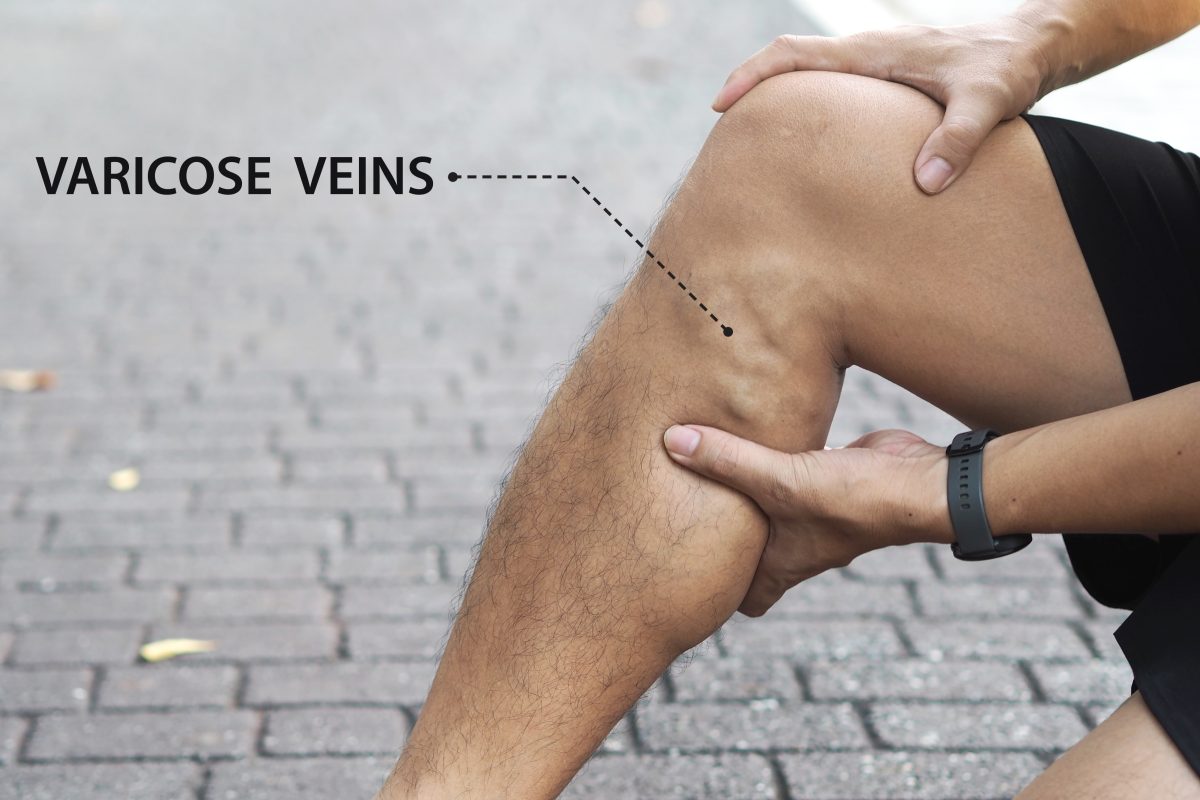
Minimally invasive cosmetic vein removal for males is essential, as illustrated by this man displaying varicose veins below his knee while sitting on a sidewalk outside.

Men’s Vascular Performance and Cosmetic Vein Removal

Historically, vein problems and cosmetic vein removal were quietly labeled as a women’s issue, with men pushed to the side. Men were told that bulging veins were proof that they’re tough.

That idea is disappearing. Today, men in every field, from boardrooms to locker rooms, recognize prominent, painful veins as a warning sign, not a badge of honor. Swelling and damaged veins are increasingly seen as medical problems that deserve proper treatment.

The definition of being fit has shifted as well. It’s no longer just about bigger muscles or faster times. It’s about how efficiently your body moves blood and recovers from stress. When veins don’t work properly, everything slows down – healing takes longer, legs feel heavy or sore, and low‑grade discomfort can stretch from morning into night.

Over time, the risk of lingering injuries goes up. Many men now treat their legs the way they would a high‑performance vehicle. They don’t wait for a breakdown before getting things checked and tuned.

Interest in modern vein treatments among men has surged. Non‑thermal, non‑tumescent (NTNT) procedures have become especially appealing because they avoid heat and large volumes of injected fluid, and they typically involve less discomfort and downtime. Men want to stay strong, mobile, and independent — able to work, train, lift, and play without nagging leg problems getting in the way.

Protecting vein health is increasingly part of that commitment. The goal is simple: legs that feel good, perform well, and hold up for the long run.

“Generational differences are also shaping expectations in powerful ways,” according to Cigna. “Gen Z and millennials, now the largest segments of the workforce, prioritize benefits that support mental health, personal purpose, and overall life satisfaction. These groups favor flexibility, hybrid work support, mental health care, and values‑aligned benefits over traditional perks.”

The article states that for today’s workforce, health care is now a defining part of the employee experience, not just a benefit. As expectations shift and technologies mature, employers are entering a new era where personalization, digital simplicity, and timely support are at the center of workforce well‑being.

“In 2026, that evolution accelerates dramatically,” it adds. “Employees increasingly expect experiences that are easy, intuitive, and tailored to their needs. As organizations strive to attract and retain top talent while driving productivity, they increasingly view the health care experience as a crucial opportunity to make a meaningful impact on employees’ lives – one that goes beyond simply providing a benefit and truly meeting people where they are.”

Venous Reflux, the Power Leak, and Cosmetic Vein Removal

Healthy leg veins work quietly in the background, but their job is precise – and can be aided by the right cosmetic vein removal.

Good veins contain one‑way valves that direct blood upward, back toward the heart. As your leg muscles contract with each step, they squeeze the veins and help push blood along, preventing it from pooling around your ankles and calves. When those valves weaken or fail, a problem called venous reflux, blood begins to drift backward and collect in the lower legs.

Chronic Venous Insufficiency (CVI) is the medical term for this ongoing valve failure. When the valves no longer close properly, pressure inside the leg veins gradually rises.

Over time, that elevated pressure can cause swelling, visible spider veins, and larger varicose veins. In more advanced cases, the skin becomes so stressed and congested that it can break down, leading to open sores or ulcers around the ankles.

“For more than 30 million adults in the U.S., swollen legs, aching calves and skin changes are more than daily discomfort,” states the American Medical Association. “These are signs of chronic venous insufficiency, a condition in which the veins in the legs cannot efficiently return blood to the heart — and one that has been in the headlines this year following the announcement that President Donald Trump has been diagnosed with it. Left untreated, chronic venous insufficiency can progress to painful ulcers and limit mobility, yet many patients delay care because symptoms may seem like a normal part of aging. Physicians emphasize that early recognition and treatment can improve quality of life and prevent complications.”

When veins stop working well, it can drag down performance in ways that athletes really feel. Instead of moving efficiently back to the heart for a fresh supply of oxygen, blood tends to pool in the calves. Pressure builds inside the veins, the vein walls stretch, and swelling and inflammation start to set in.

Many men with vein problems describe a heavy, tired feeling in their legs after only a short run or workout. Their lungs and heart may be ready to push harder, but their circulation is holding them back.

Treating faulty veins is about restoring healthy blood flow so the whole system runs more smoothly. When blood moves the way it should, muscles recover faster, endurance improves, and daily activity feels easier.

Some clinicians now talk about this as a kind of “engine optimization” for the vascular system. The aim is to keep blood moving in the right direction, with as little resistance as possible, so the body can perform the way it was designed to.

The ‘Standing Tax’: Why Professional Stamina Starts at the Ankle

Jobs that keep you on your feet all day leave more than just tired muscles behind, forcing you to consider cosmetic vein removal.

Surgeons, servers, store managers, builders, and anyone who stands for long stretches without much walking asks a lot of their leg veins. When you stand mostly in one place, the calf muscles do less pumping, so blood has a harder time moving back up toward the heart. Over hours, pressure gradually builds in the lower legs.

Over the years, that strain adds up. After decades of long shifts, many men notice their legs feel heavy or sore by the time they get home. Nighttime cramps can interrupt sleep, making recovery even harder.

Some patients describe a slow loss of stamina, as if a noticeable share of their daily energy simply fades before the day is over.

“For men working mostly in a standing position, the risk ratio for varicose veins was 1.85 when compared with all other men,” states Journal of Work, Environment, and Health. “The corresponding risk ratio for women was 2.63.”

Your circulatory system relies on regular movement to keep blood flowing smoothly. In your legs, veins are equipped with one‑way valves that direct blood upward toward the heart, helping it work against gravity instead of pooling around your ankles.

“When you sit or stand for long periods without moving, these valves and surrounding muscles don’t engage properly, causing blood to pool in the legs,” according to Great Lakes Medical Imaging. “Over time, this can lead to leg swelling or heaviness, varicose or spider veins, pain, cramping or fatigue in the legs, and increased risk of blood clots (especially for those who sit for extended periods). Whether you’re an office worker, teacher, nurse, retail associate, or truck driver, prolonged inactivity or static standing can gradually weaken vein walls and contribute to chronic venous insufficiency — a condition where veins have trouble returning blood to the heart.”

When vein problems are left alone, they rarely fix themselves and get worse over time. More men are starting to think in terms of vascular maintenance, which simply means taking care of their leg veins before serious damage or symptoms set in. Early, targeted treatments can effectively turn back the clock for people in physically demanding roles, from contractors on job sites to professionals in offices.

With the right care, a 50‑year‑old can recapture the leg stamina and comfort of someone twenty years younger. In today’s job market, where long hours on your feet are common, physical strength has become essential.

One Athlete’s Recovery, and Solving Lactic Acid

Recovery has become its own sport. People spend serious money on cold plunges, compression boots, and oxygen chambers, all chasing dreams to clear out muscle waste, bounce back faster, and get back to training stronger than before.

But there’s a catch. If your veins aren’t doing their job, you’re working against yourself from the start.

When you have venous insufficiency, blood doesn’t clear the legs efficiently. Waste products like lactic acid and carbon dioxide linger in the tissues, leaving your muscles feeling heavy, stiff, and sore long after the workout ends. You might blame your age or your training plan, when the real issue is circulation.

Tools like compression boots, massage guns, and recovery sleeves can help move fluid around, but they can’t repair damaged valves inside the veins. If the underlying plumbing is faulty, old blood still tends to pool, and fresh, oxygen‑rich blood struggles to get in.

No matter how advanced the gadget, your legs stay more tired than they should because the basic flow system isn’t right.

Men who go ahead and treat their vein problems often describe a noticeable shift. Workouts feel more manageable, recovery speeds up, and that stubborn soreness eases. What used to feel like a big effort, like climbing stairs, finishing a run or getting through the day, starts to feel reasonable again. One day you’re avoiding hills, but a few months later you’re lifting on Saturday and hiking on Sunday without thinking twice.

For anyone squeezing training around a full workweek, that difference is huge. Better venous function means you’re not limping into Monday meetings or negotiating with yourself about whether your legs can handle another session.

Recovery stops being a battle and starts feeling natural. In the long run, that kind of improvement is worth more than any new device.

Cosmetic Vein Removal: Legacy vs. Modern Interventions

Time is just as valuable as money when you’re thinking about cosmetic vein removal. It’s not only the bill that matters, but also how long you’re sidelined from work, training, or everyday routines.

Older vein procedures often meant days or even weeks of downtime, with swelling, pain, and strict activity limits. When you look at how today’s options compare, the difference is clear. They’re designed for faster recovery, fewer disruptions, and a quicker return to normal life.

Here’s a helpful comparison:

Legacy Vein Stripping Conservative (Stockings) 2026 NTNT (VenaSeal/ClariVein)
Anesthesia General / Spinal None Local / None
Downtime 7 – 14 Days Ongoing (Daily use) 0 – 24 Hours
Procedure Time 90 – 120 Minutes N/A 30 – 45 Minutes
Nerve Damage Risk Moderate None Near-Zero
Visible Results Delayed (Bruising) None Rapid (1-2 Weeks)
Stamina Impact High (Recovery period) Moderate (Maintenance) High (Immediate improvement)
Return to Gym 3 – 4 Weeks Immediate Next Day
Incisions Multiple (Stitches) None Single (Adhesive Bandage)

Shorter downtime means less rescheduling, less waiting, and more continuous progress toward your goals. Modern procedures are typically quick, minimally invasive, and far easier on the body than traditional approaches.

Today’s executives and athletes increasingly see this kind of care as part of staying at the top of their game, not as a last resort.

Men’s Vascular Health FAQ

Today, more men are choosing not to slow down — and they’re letting go of ideas that dismiss vein health and cosmetic vein removal as a minor issue. They’re building new habits that keep their legs strong and dependable.

You might hear experts call this “vascular maintenance,” but at its core, it’s simply about staying active and protecting the circulation that keeps you moving. These answers will help you find your way:

  • Does treating my veins mean I’ll have less blood flow in my legs? On the contrary, you are closing down veins that are already malfunctioning. By shutting off these detours, your body reroutes blood to healthy veins with functioning valves.
  • Can I go back to heavy lifting immediately after treatment? Most minimally invasive procedures allow you to return to light activity the same day. For heavy squatting or high-impact running, most specialists recommend a 24-48 hour waiting period.
  • Is it true that visible veins increase my risk of a blood clot? Yes. Varicose veins are sites where blood flow is stagnant. This stagnation is a primary risk factor for Deep Vein Thrombosis (DVT). If a clot breaks loose, it can travel, causing a pulmonary embolism.
  • Why don’t I just wear compression stockings instead of getting a procedure? Stockings are a great maintenance tool, but they do not fix the broken valves. They are like a bandage on a leaky pipe. Modern procedures actually fix the pipe.
  • Is the procedure painful? With today’s medical technology, most men report a 2-out-of-10 on the pain scale. There is no burning sensation and no multiple needle pricks for numbing.

Everyday life asks a lot from your legs. They carry you up mountains, through long workdays, into evening practices with your kids, and back again. Healthy veins help make all of that possible by moving blood efficiently so muscles stay energized instead of weighed down.

When circulation works well, movement feels natural rather than forced, and it’s easier to say yes to the things you want to do. Prioritizing vein health is also a way to protect your independence. Strong, comfortable legs make it easier to work, travel, train, and stay engaged as careers lengthen and physical demands remain high.

The people who invest in their veins early stay at the front of the pack longer – especially men.

Wellness and Pain

Find your personalized cosmetic vein removal by visiting Wellness and Pain. We offer conservative treatments, routine visits, and minimally invasive quick-recovery procedures. We can keep you free of problems by providing lifestyle education and home care advice.

This enables you to avoid and manage issues, quickly relieving your inhibiting lifestyle conditions when complications arise. We personalize patient care plans based on each patient’s condition and unique circumstances. Wellness and Pain can help improve wellness, increase mobility, relieve pain, and enhance your mental space and overall health.
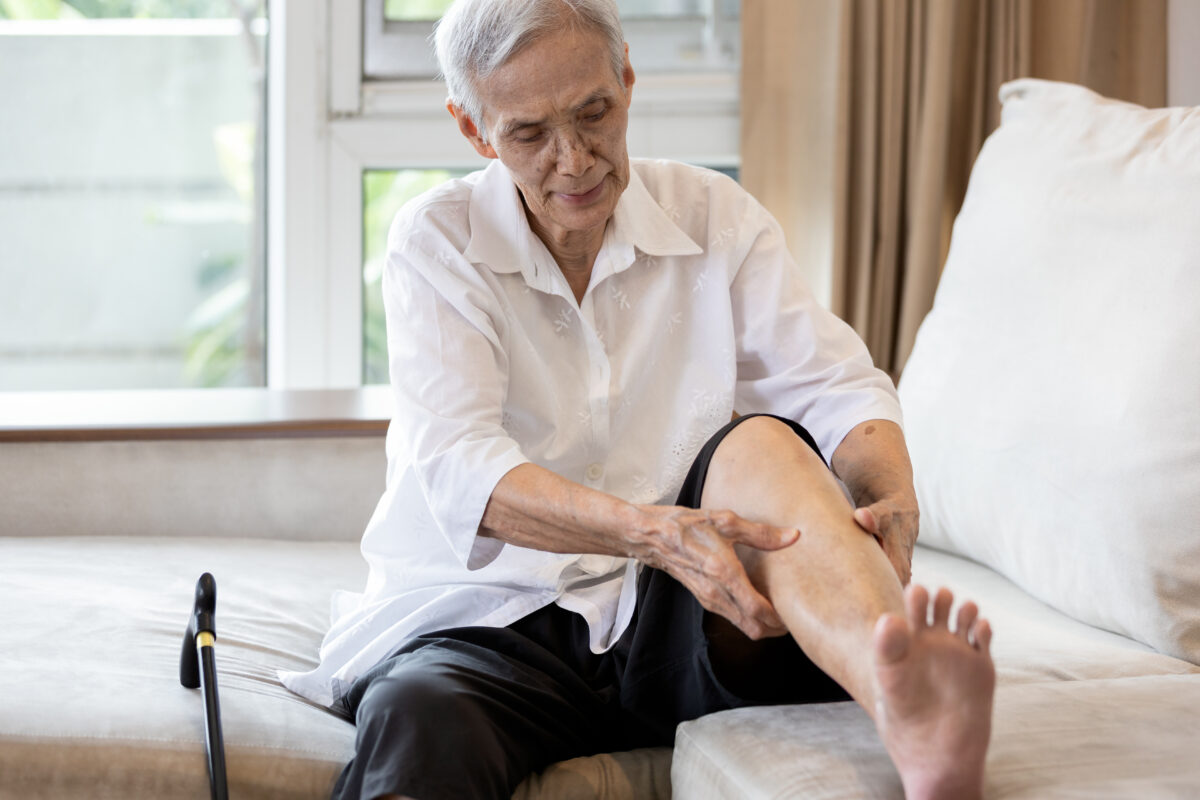
An older woman examines and rubs her leg on the couch at home as she suffers from nerve pain in leg issues.

Healthy Habits After Your Cosmetic Vein Removal

It can sting to see veins reappear after cosmetic vein removal treatment, leading many to think the procedure failed. Doctors, however, view it differently, explaining that it’s rarely the treatment’s fault.

Instead, the veins often return because the underlying health issue persists or because of genetics. Some people are simply prone to developing these veins throughout their lives, so fixing one set won’t necessarily stop new ones from forming later.

Effective management isn’t a one-time event — it requires an ongoing routine. Some patient stories perfectly illustrate this. After treatment, many are committed to five-year check-ups and remain free of new veins for 18 years, proving that consistent care can lead to truly long-lasting results.

“There are many different kinds of minimally invasive procedures for chronic venous insufficiency,” states NYU Langone Health. “Your doctor makes his or her recommendation based on your individual diagnosis and health. After any of these procedures, your doctor may recommend that you wear compression stockings or bandages to promote healing and help prevent blood clots.”

The Path to Lasting Results with Cosmetic Vein Removal

The recurrence of varicose veins can be attributed to several factors, leading many suffering patients to seek cosmetic vein removal. A common cause is a poor diagnosis, which often happens when a doctor fails to perform a careful ultrasound.

Without this thorough check, they can miss the underlying “feeder veins,” and the bulging veins will almost certainly reappear. This is why choosing a good vein doctor who will search for the real cause and offer a personalized plan is so important.

Another reason veins can return is a process called neovascularity, which typically occurs after older, more invasive surgeries where the vein was physically pulled out. The body responds to this by creating new, often dysfunctional veins that lack proper valves, causing blood to pool and symptoms to quickly return.

This is why doctors today prefer less invasive treatments that permanently close the problem vein, preventing this kind of regrowth and keeping symptoms away for much longer.

“As we always say, varicose veins can only ever be treated, not cured,” according to The Vein Institute. “While a treated varicose vein is extremely unlikely to come back, new varicose veins may form, especially if you’re genetically predisposed to the condition.”

The Power of Movement and Your Body’s ‘Second Heart’

While genetics play a significant role, your lifestyle might impact your veins and cosmetic vein removal even more. If both your parents have varicose veins, your chances can jump to 90 percent.

The good news is, you have a say in this. It’s not a reason to give up.

Moving your body works wonders for your veins, which is why doctors call your calves the “second heart.” Every time you walk, these muscles squeeze the deep veins in your legs, helping to push blood back up toward your heart.

This means spending time building stronger calf muscles can make a real difference. Don’t underestimate the weight of your choices.

“New varicose veins may form after treatment,” states Texas Endovascular. “In some cases, your body forms new blood vessels in the areas we’ve already treated. We call this neo-vascularization.”

It adds: “It’s also possible that your body will form varicose veins in new locations, even after previous vein treatments. This is more likely if you have risk factors for vein disease, including family history, pregnancy or obesity. While you can’t always prevent varicose veins from forming, you can take lifestyle measures to reduce your risk.”

Therapeutic Exercise After Cosmetic Vein Removal

Targeted exercises can make a huge difference for your vein health after going through cosmetic vein removal.

One 12-week study on people with chronic venous insufficiency found that a group that followed a yoga program could walk significantly farther — 46.2 meters compared to just 12.8 meters for the group that didn’t. The yoga participants also experienced greater reductions in pain and swelling, with leg circumference decreasing by 2.1 centimeters versus 0.6 in the control group.

These results show that exercise isn’t just for general fitness. It’s a powerful tool for managing vein problems. Low-impact activities like walking, swimming, gentle yoga, or cycling are the best choices because they help improve blood flow.

It’s important to find a balance between building strength and protecting your veins, so you should avoid heavy weightlifting or long-distance running. These activities can cause too much strain.

A simple plan for caring for your veins can be summed up with the “three E’s”: Exercise, Elevation, and Elastic Compression. Exercise wakes up your calf muscles to help push blood back to your heart. Elevation involves raising your legs above your heart for just 15 minutes a few times a day to provide quick relief from swelling and discomfort, which is especially helpful if you sit or stand for long periods.

Additionally, elastic compression means wearing compression stockings, which apply gentle pressure to prevent blood from pooling and provide steady support. Many doctors consider compression a key part of managing chronic venous insufficiency.

Weight, Hydration, and The Role of Lifestyle

Keeping your weight in check can help prevent problems from returning after cosmetic vein removal.

Excess weight puts added pressure on the tiny valves in your legs and feet, which can make certain vein treatments less effective, as a study in the Journal of Vascular Surgery pointed out. Losing even a little weight can relieve this pressure, giving a boost to your veins and your entire body.

Staying still for hours on end makes it harder for blood to flow through your legs. If your job requires you to sit for long stretches, try to get up and walk around every hour.

Small adjustments, like changing your position frequently or using a standing desk, can make a difference. You can set a reminder to do a few calf raises or simply get your legs moving in any way you can.

Drinking plenty of water throughout the day is another easy way to support your veins. The recommended daily intake is about 15.5 cups for men and 11.5 cups for women.

You can also boost your water intake with hydrating foods like watermelon or cucumbers. These small changes add up over time, and your veins will thank you for it.

Cosmetic Vein Removal, Supportive Foods, and Avoiding Habits

What you eat directly impacts the health of your blood vessels, something all cosmetic vein removal patients learn quickly. Brightly colored fruits, for example, are packed with powerful nutrients like flavonoids and vitamins A, C, and E that can help calm swelling and support flexible vessel walls.

Omega-3 fats found in fish and nuts can also soothe swollen tissues, while nitrates in leafy greens like spinach are converted by your body into nitric oxide, a substance that helps relax your veins. Even a piece of dark chocolate can benefit your veins with its extra flavonoids.

On the other hand, certain foods can put a strain on your veins. Salt-heavy foods make you retain water, while too much sugar can cause you to gain weight and trigger swelling. Fast food and rich animal fats can also harm your blood vessels.

Proper hydration is also crucial, as drinking enough water thins your blood, allowing it to move through your veins with less pressure. In contrast, thick blood from dehydration can slow down and stretch your veins. Keeping a water bottle close by is a small effort that can make a big difference for your vein health.

“After your treatment, it’s essential to follow up with your healthcare provider,” states LA Vein Center. “They will offer tailored recommendations that suit your individual needs. Keeping your appointments and discussing any concerns you may have will help ensure you stay on track.”

Lifestyle Habits for Vein Health

Exercise is one of the best post-cosmetic vein removal treatments. At least 150 minutes of moderate exercise per week is best, as it activates your “calf muscle pump” to improve blood flow.

Others include:

Habit Best Practices & Purpose
Elevation Elevate legs above the heart for 15-30 minutes, several times daily. Uses gravity to reduce pressure on veins and alleviate swelling.
Elastic Compression Wear graduated compression stockings as prescribed. Helps prevent blood pooling and supports veins, especially during long periods of sitting or standing.
Weight Management Maintain a healthy weight through diet and exercise. Reduces pressure on veins and improves the effectiveness of treatments.
Movement Avoid prolonged standing or sitting. Take frequent breaks to stretch or walk around, especially during long car rides or flights.
Hydration Drink plenty of water throughout the day. Keeps blood thin and flowing smoothly, preventing distended veins.
Diet Eat a diet rich in fiber, omega-3s, and antioxidants (leafy greens, fatty fish, nuts). Avoid high-sodium, high-sugar, and processed foods.

Your choices immediately following a vein procedure matter a lot, so be sure to listen to your doctor’s instructions. This means keeping your compression stockings on, taking regular walks, and avoiding strenuous workouts for a couple of days.

Building a trusting relationship with your doctor and attending regular follow-up visits can help catch any new issues early on. Many people feel better than they expected and even wish they had had the procedure sooner, with some describing their new energy and comfort as life-changing.

Trust the process and keep the conversation going; your legs will thank you for it.

Wellness and Pain

Find your personalized cosmetic vein removal by visiting Wellness and Pain. We offer conservative treatments, routine visits, and minimally invasive quick-recovery procedures. We can keep you free of problems by providing lifestyle education and home care advice.

This enables you to avoid and manage issues, quickly relieving your inhibiting lifestyle conditions when complications arise. We personalize patient care plans based on each patient’s condition and unique circumstances. Wellness and Pain can help improve wellness, increase mobility, relieve pain, and enhance your mental space and overall health.

Leg vein removal can provide women and men healthy, great-looking legs, as seen by this woman's beautiful lower extremities in the air.

Leg Vein Removal, Impact, and Long Lasting Relief

Today’s leg vein removal treatments, such as laser ablation or radiofrequency ablation, offer major relief for women and men dealing with large varicose veins. Doctors favor these effective methods, with results showing treated veins close up approximately 97 percent of the time.

Specifically, some reviews focusing on radiofrequency ablation find there’s a 95 percent success rate for correcting varicose veins. These techniques address the root cause of the problem rather than just the symptoms, which significantly reduces the likelihood of treated veins recurring in the same area.

As a result, many patients experience lasting relief and improved leg health.

“Feet that always feel cold and a heaviness in the legs may be early signs of ‘leaky’ veins that can lead to visible varicose veins, a new study shows,” states Everyday Health. “Varicose veins are usually harmless, but for some people, they can lead to discomfort that impacts daily activities.”

Real-World Impact of Leg Vein Removal

Many patients notice significant improvements almost immediately after undergoing a leg vein removal, with some seeing their veins vanish at once, while for others, fading takes a few months. These treatments are minimally invasive, typically involving tiny incisions or no incisions at all.

Most patients report minimal pain during or after the procedure, leading to a fast recovery with rare scarring. Patients can usually return to their daily routines within a few days.

Real patient stories highlight the profound impact of these treatments. Some experience reduced pain, heaviness, and swelling. Some finally found relief from throbbing legs, allowing them to sleep soundly and easily bend their knees for activities like yoga.

Still, others describe their leg as fantastic, free of pain, and remarkably light. Such testimonials underscore the life-changing differences many experience.

Beyond physical relief, the cosmetic benefits are also significant. Patients are often thrilled with smoother-looking legs, with some even exclaiming they look 20 years younger. Many patients are particularly pleased that their results appear natural.

These aesthetic improvements boost confidence, allowing individuals to comfortably wear shorts and skirts, chase after children, enjoy golf and jogs, and dance without pain. Many women and men share that they can work full-time again and go for a walk, which they haven’t done for months or years. It’s almost as if a whole new life begins.

Patients also praise the quick recovery and the compassionate, skilled care provided by staff, emphasizing the comfortable and safe treatment experience. Compared to older surgical methods, these new procedures are superior due to less pain, fewer complications, minimal scarring, and faster healing times.

For many, choosing ablation is the clear and sensible choice.

Navigating Recovery: Understanding Temporary Side Effects

While leg vein removal typically yields positive outcomes and most people are happy with their results, satisfaction isn’t universal. Some individuals may experience worry if recovery brings unexpected side effects, if healing is slower than anticipated, or if discomfort lingers longer than expected.

In rare cases, the underlying condition may even continue to worsen after the procedure.

It’s common for patients to notice mild bruising or yellow skin patches immediately after ablation, which usually resolves within a few weeks. Pain near the treated area, a tight sensation in the limb, or ankle swelling are also very common.

Additionally, tingling or numbness close to the incision site might occur. These issues generally subside within two to four weeks for most.

However, if these potential side effects aren’t discussed beforehand, anxiety can quickly arise. Some patients share that their disappointment and regret when bruising after surgery was far worse than imagined, wishing their surgeon had provided clearer expectations.

An open and honest conversation about the healing process can significantly impact your experience. Setting realistic expectations helps alleviate stress and frustration.

Sharing real patient stories or providing a platform for individuals to discuss their past experiences can also better prepare everyone for recovery, minimizing unwelcome surprises.

Leg Vein Removal: Sclerotherapy vs. Vein Ablation

If you want smoother-looking legs, you should first talk to a vein doctor about leg vein removal. Vein ablation fixes problems deeper in the leg, which can stop new varicose veins.

Sclerotherapy works on the veins you can see, and many people get both. While ablation treats the big veins first, sclerotherapy can take care of the tiny ones left behind.

This mix gives results that stick around:

Feature Sclerotherapy Vein Ablation (Radiofrequency or Laser)
Primary Goal Cosmetic improvement of visible veins (spider veins, small to medium varicose veins). Can also alleviate symptoms like aching. Primarily treats larger varicose veins and underlying venous insufficiency, which often results in significant cosmetic improvement. Can also alleviate symptoms like pain, heaviness, and swelling.
Vein Size Treated Most effective for smaller veins, such as spider veins and small to medium varicose veins. Less effective for larger, deeper varicose veins. Ideal for larger varicose veins and those causing chronic venous insufficiency. Not typically used for very small spider veins.
Mechanism Involves injecting a sclerosant solution (liquid or foam) directly into the affected vein. The solution irritates the vein lining, causing it to collapse, scar, and eventually fade as the body reabsorbs it. Uses heat energy (radiofrequency or laser) delivered via a catheter inserted into the vein. The heat causes the vein walls to collapse and seal shut, diverting blood flow to healthy veins. The treated vein eventually scars down and is absorbed by the body.
Procedure Details – Minimally invasive, in-office procedure. – No anesthesia typically required, though some mild discomfort or stinging may be felt. – Takes 15-45 minutes per session. – Multiple sessions may be needed (weeks or months apart) for optimal results, especially for larger areas or veins. – Minimally invasive, often outpatient procedure. – Local anesthesia is used. – A small incision is made to insert a catheter. – Takes 45 minutes to 1 hour. – Usually one session is sufficient for the treated vein, but additional treatments like sclerotherapy may be needed for residual smaller veins.
Effectiveness for Leg Beautification Highly effective for eliminating spider veins and small varicose veins, leading to clearer-looking legs. Results typically visible within 3-6 weeks for spider veins, 3-4 months for larger veins. Success rates generally high (50-80% of injected veins disappearing per session). Highly effective at closing larger problematic veins, significantly improving the appearance of bulging varicose veins. Most treated veins are effectively invisible within 12 months. Often addresses the root cause of the varicose veins, preventing recurrence in the treated vein.
Potential Side Effects – Temporary bruising, swelling, redness, itching, pain, or cramping at injection site. – Skin discoloration (hyperpigmentation) which usually fades but can be long-lasting in some cases. – Rarely: skin ulceration, tissue necrosis, allergic reactions, temporary visual disturbances, or deep vein thrombosis (DVT). – Bruising, tenderness, and mild discomfort in the treated leg for a few weeks. – Numbness (due to nerve irritation), though often temporary. – Rarely: skin burns, infection, or deep vein thrombosis (DVT).
Best For – Spider veins. – Small to medium varicose veins. – Patients seeking a non-surgical, quick, and relatively inexpensive option for surface vein concerns. – As an adjunctive treatment after vein ablation for residual smaller veins. – Larger, bulging varicose veins. – Patients with symptoms related to venous insufficiency (pain, swelling, heaviness). – Patients looking for a highly effective, often one-time treatment for significant vein problems.

Addressing Concerns Through Complications and Recurrence

While leg vein removal and ablation is effective for most, some patients may encounter persistent issues.

One such concern is hyperpigmentation, characterized by brown marks on the skin, which can linger for months or, very rarely, become permanent. This often results from inflammation or minor blood leakage into tissues near the treated vein and is more common in individuals with darker skin tones or slower healing.

Additionally, some patients experience numbness, tingling, or increased sensitivity near the treated area, as nerves are located close to veins. These sensations typically resolve within a few months, though in rare cases where a nerve is affected by heat, symptoms might persist indefinitely.

Vein recanalization, where the closed vein reopens, is another infrequent problem, usually occurring within the first year. This can lead to a return of old symptoms and may necessitate further treatment; however, radiofrequency ablation has a low recanalization rate, approximately 3 percent.

It’s important to understand that treating one vein doesn’t prevent new varicose veins from developing elsewhere, as venous disease is often progressive. Studies indicate that 20-30 percent of people may develop new varicose veins within three to five years due to valve failure in different veins, not because the initial treated vein reopened. Thus, while ablation addresses current issues, it cannot prevent future ones.

A very small percentage of patients, about 1 to 2 percent, may develop a deep vein blood clot after the procedure, with symptoms like pain, swelling, or redness in the calf appearing days or weeks later. Wearing compression stockings and engaging in short walks significantly reduces this risk.

Nevertheless, this rare side effect requires immediate medical attention if it occurs, and consistent follow-up care is crucial for monitoring progress.

Sclerotherapy Leg Vein Removal: Precision for Spider Veins

Sclerotherapy leg vein removal is a leading and trusted choice for treating spider veins, boasting a strong track record and FDA approval. Studies consistently show its effectiveness, with success rates ranging from 80-95 percent for treated veins. Many patients experience significant improvement after just one session, with half or more of their targeted veins visibly disappearing.

One advantage of sclerotherapy is the ease of the procedure. It’s non-surgical and most sessions conclude in under an hour.

This allows patients to conveniently fit appointments into their day, even during a lunch break, and return to their routine afterward. The treatment is performed in standard clinics, eliminating the need for heavy sedation. While some may experience a slight sting or mild cramping during injections, these sensations typically fade quickly.

The benefits extend beyond cosmetic improvements. Patients frequently report that their legs feel better after treatment, enhancing both comfort and confidence when wearing shorts or skirts.

For many, the positive impact on their daily life is as significant as the visible changes in the mirror.

Outcomes and What to Expect Post-Treatment

Sclerotherapy leg vein removal offers benefits that extend far beyond simply closing off veins. Patients often experience a significant reduction in pain and swelling, leading to healthier-looking legs.

Some patients see stubborn pooling and dark spots vanish and slow-healing ulcers also finally heal, with their legs feeling 10 pounds lighter. Similarly, many are amazed at the difference even for small veins, demonstrating how these real changes boost confidence. This renewed confidence can lead to people comfortably wearing shorts again or re-engaging in their favorite workouts.

While the feeling of improvement can last for years, results take time. Spider veins typically begin to fade within a few weeks, while larger veins require a few months for noticeable change, with many seeing the full benefit around six months.

The longevity of these results depends on factors like age, overall health, and adherence to aftercare, such as wearing compression stockings. It’s also worth noting that one treatment session isn’t always enough, and some patients may require several sessions to achieve the best outcome, with each step bringing them closer to healthier legs.

“In a randomized trial of treatments for varicose veins, disease-specific quality of life 5 years after treatment was better after laser ablation or surgery than after foam sclerotherapy,” states The New England Journal of Medicine.

Thermal and Non-Thermal Innovations in Leg Vein Removal

Leg vein removal ablation encompasses a group of straightforward procedures in which doctors use energy or specific chemicals to seal off unhealthy veins. The goal is to damage the inside of the faulty vein, causing it to permanently close.

Once closed, blood reroutes through healthier veins, and over time, the sealed vein shrinks and is safely absorbed by the body. These modern techniques have largely replaced traditional vein stripping surgery, with most patients finding them less painful and easier to tolerate.

Several types of vein ablation are commonly employed today. Endovenous Laser Ablation (EVLA), also known as EVLT, utilizes laser heat. During this procedure, a doctor inserts a thin fiber into the problematic vein, typically guided by ultrasound imaging.

As the laser is activated and the fiber is slowly withdrawn, the heat effectively closes the vein. EVLA is highly effective for larger varicose veins.

Another method is Radiofrequency Ablation (RFA), which uses energy from radio waves. A specialized catheter is inserted into the vein, applying heat to its walls to induce closure. Both EVLA and RFA are effective for large, malfunctioning veins, though many individuals find RFA less uncomfortable than EVLA due to its gentler heating mechanism.

“EVLA (endovenous laser ablation) with SA or BA (stent angioplasty or balloon angioplasty) relieved venous hypertension of the lower extremities,” according to a report in Nature. “When performed concurrently, stent implantation and EVLA is an effective strategy for treatment of symptomatic VVs and IVCS. For patients with longer life expectancy, BA and EVLA should be performed sequentially.”

Non-Thermal Methods in the Doctor’s Office

Beyond heat-based methods, some modern leg vein removal treatments entirely skip thermal energy.

ClariVein, for instance, employs a clever combination of mechanical rotation and a chemical sclerosant. A thin catheter is inserted into the faulty vein, where the device simultaneously scratches the vein walls and delivers a specialized liquid, causing the vein to seal shut.

This innovative approach eliminates the need for heat and tumescent anesthesia, which is a significant advantage for patients concerned about potential side effects.

Medical adhesives offer another novel approach, with systems like VenaSeal using a safe form of cyanoacrylate (medical glue). A small drop of this adhesive permanently seals the vein, without any burning or chemical reaction.

This process is quiet and straightforward, resulting in less hassle for the patient and often viewed as a gentle option with minimal risk or discomfort.

These non-thermal treatments are typically performed right in the doctor’s office, with local anesthesia ensuring comfort. Most patients remain awake throughout the procedure, and ultrasound guidance helps the doctor precisely position the catheter or needle, ensuring both safety and effective results.

Leg Vein Removal: Global Prevalence and Risk Factors

Chronic vein problems are far from rare, with varicose veins affecting up to 30 percent of individuals globally and one in four adults in the United States, leading to leg vein removal. As you factor in conditions like spider veins and reticular veins, these numbers increase dramatically, ultimately impacting most men and women.

In the United States, around 22 million women and 11 million men aged 40 to 80 live with these issues. About 2 million within that group face severe cases, including venous ulcers.

While older research often highlighted women as being primarily affected, recent studies challenge this assumption. One recent study, for example, revealed that trunk varices were present in 40 percent of men compared to 32 percent of women, and Chronic Venous Insufficiency (CVI) appeared in 9 percent of men versus 7 percent of women.

These findings overturn previous beliefs, indicating that men actually experience vein problems more frequently than many realize. It’s a shift that could be influenced by lifestyle changes, improved diagnostic testing, or other factors.

Given these statistics, screening and awareness efforts should target everyone, as an exclusive focus on gender can lead to missed cases. Early detection is crucial, as delaying diagnosis and treatment often results in more challenging outcomes for patients.

Several risk factors contribute to the development of vein problems. Advancing age (especially over age 60), being female, multiple pregnancies, and a family history significantly increase your chances. For CVI, additional issues worsen the condition after age 50; these include carrying extra weight, a sedentary lifestyle, or limited mobility.

Moreover, smoking exacerbates the risk of developing varicose veins or venous ulcers. Understanding these risks not only aids doctors but also empowers individuals to take proactive steps sooner, as small choices can alter outcomes.

Wellness and Pain

Find your personalized leg vein removal by visiting Wellness and Pain. We offer conservative treatments, routine visits, and minimally invasive quick-recovery procedures. We can keep you free of problems by providing lifestyle education and home care advice.

This enables you to avoid and manage issues, quickly relieving your inhibiting lifestyle conditions when complications arise. We personalize patient care plans based on each patient’s condition and unique circumstances. Wellness and Pain can help improve wellness, increase mobility, relieve pain, and enhance your mental space and overall health.

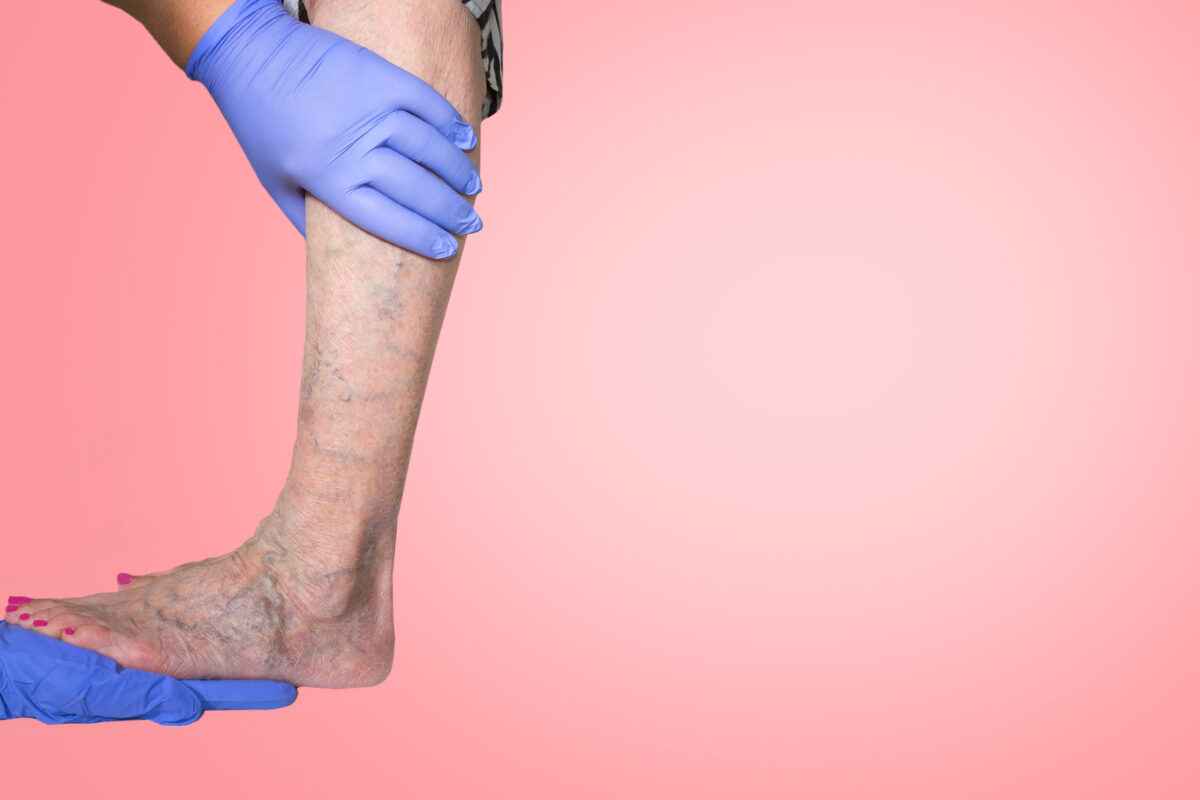
This woman patient's leg needs varicose vein removal treatment, as evidenced by the pain management specialist doctor who is diagnosing her problem with his hands.

Varicose Vein Removal: Unveiling the Beauty in Your Legs

While varicose veins lead to health issues, many patients choose varicose vein removal to achieve smoother, beautiful, and pleasing legs.

Historically, varicose veins were viewed mainly as a cosmetic issue. Thankfully, advancements in medical imaging have led to a deeper understanding of their potential health implications, thereby providing a two-in-one solution.

“Advancements in medical imaging, particularly the adoption of color flow duplex ultrasonography since the 1980s, have revolutionized our comprehension of varicose veins,” states a report in the National Institutes of Health’s National Library of Medicine. “This technology has enabled a more precise assessment of venous reflux and its association with varicose veins.”

This shift in perspective has contributed to the growing popularity of varicose vein removal, as people recognize the combined benefits of improved health and enhanced beauty altogether.

Varicose Vein Removal is a Transformation Story

Varicose vein removal can dramatically improve the appearance of legs, restoring a youthful and healthy look. The procedure works by eliminating or reducing the visibility of unsightly veins, leading to several key aesthetic improvements.

These beauty boosts include:

  • Enhanced visual appeal. Varicose veins can create an uneven and bumpy skin texture. Their removal reveals smoother, more toned-looking legs. Individuals note that they experience a significant rejuvenation in the appearance of their legs following the procedure.
  • Boosted self-confidence. Many patients with varicose veins feel self-conscious about their appearance, which can negatively impact their self-esteem. Varicose vein removal can help restore confidence and improve body image. It is often reported that individuals regain the ability to wear clothing they previously avoided, feeling much more comfortable displaying their legs.
  • Expanded clothing choices. Visible varicose veins often limit clothing options, with many individuals feeling the need to cover their legs. After treatment, individuals can confidently wear shorts, skirts, and dresses without feeling self-conscious. The freedom to choose clothing without feeling restricted is a significant benefit for many patients.
  • A fresh, clean, and clear look. Progress in varicose vein removal treatments has led to procedures that not only eliminate unsightly veins but also rejuvenate the overall appearance of the legs. Patients often report a fresh, clean, clear, and soft look to their legs. This is achieved through better circulation, minimized swelling, and better skin tone.

The Cutting Edge of a Healthier You

The field of varicose vein removal has witnessed remarkable achievements over the years. Minimally invasive procedures have largely replaced traditional vein stripping surgery, offering patients quicker recovery times, reduced discomfort, and improved outcomes.

This shift toward minimally invasive techniques has revolutionized the field, providing safer and more effective solutions with minimal downtime.

“There are many different kinds of minimally invasive procedures for chronic venous insufficiency,” according to NYU Langone Health. “Your doctor makes his or her recommendation based on your individual diagnosis and health.”

The choice of varicose vein removal treatment depends on several factors, including the size and location of the veins, as well as individual patient needs and aesthetic goals. Larger varicose veins may be best treated with laser therapy, surgery, or radiofrequency ablation, while smaller veins might be more effectively addressed with sclerotherapy. A qualified vein specialist can assess your specific condition and recommend the most appropriate treatment option to help you achieve your desired aesthetic outcome.

Modern varicose vein removal procedures are designed with patient convenience in mind. Minimally invasive techniques, which involve smaller incisions or, in some cases, no incisions at all, have become the preferred approach. These procedures are typically performed on an outpatient basis, meaning no overnight hospital stay is required.

Fortunately, recovery times are generally short, allowing individuals to return to their normal activities quickly.

While generally safe, varicose vein removal procedures can have potential side effects and risks, which can vary depending on the specific procedure. Some common side effects include bruising, swelling, and skin discoloration, which typically resolve within a few weeks. It’s good to discuss these potential risks with a qualified vein specialist or pain management specialist to make an informed decision.

Choosing Varicose Vein Removal for the Cosmetic Boost

Whether you undergo varicose vein removal is a personal decision. But for those seeking to spotlight the appearance of their legs and enhance their health, treatment or surgery offers several benefits:

  • Improved Aesthetics: Varicose vein removal can significantly enhance the aesthetic appeal of legs, creating a smoother and more youthful appearance.
  • Increased Confidence: By addressing a source of self-consciousness, the procedure can boost self-esteem and body image.
  • Enhanced Quality of Life: The removal of varicose veins can alleviate discomfort, reduce swelling, and improve mobility, leading to a more active and fulfilling lifestyle.
  • Minimally Invasive Options: Modern procedures are minimally invasive, offering quicker recovery times and fewer complications compared to traditional surgery.
Benefit Description
Looks Smoother, more youthful legs
Confidence Increased self-esteem
Life Quality Less discomfort, better mobility
Convenience Quick recovery, less invasive

Real Life Personal Experiences Speak Volumes

Real-life experiences speak volumes about the transformative power of varicose vein removal. General observations from patient experiences frequently highlight the increase in happiness with their legs. Most patients’ legs usually appear completely normal post-procedure.

Many have expressed high satisfaction with the aesthetic outcome, noting significant improvement in leg appearance. Experiences often include descriptions of dramatic transformations, with patients expressing relief from previously concerning leg appearances.

Common questions and answers are:

  • Will varicose vein removal make my legs look significantly better? Yes, in most cases. Modern treatments can effectively eliminate or minimize visible varicose veins, resulting in smoother, clearer, and more youthful-looking legs.
  • How long does it take to see results? Results vary depending on the treatment and individual factors. Some patients notice improvements immediately, while others may see full results within a few weeks or months.
  • Are there any potential side effects? Common side effects include bruising, swelling, and skin discoloration, which usually resolve within a few weeks. More serious complications are rare but can include nerve damage or blood clots.

Varicose Vein Removal: Embracing the Metamorphosis

By addressing both the aesthetic and medical aspects of varicose veins, varicose vein removal  can kill three birds with one stone. It enhances your physical appearance, boats your image, and increases your quality of life. You aren’t the only one benefitting.

“Surgical procedures for varicose veins will likely continue to improve, with significantly advancements from 2020-2026,” states BCC Research. “Noninvasive alternatives increasingly have replaced surgery. Because of the risk of infection associated with invasive surgeries, noninvasive surgeries have grown in popularity in recent years.”

During the forecast period, the market for noninvasive procedures is expected to drive growth in the global market for varicose vein treatment devices, the research consultancy says.

That’s because this unique procedure empowers patients to take control of their health and beauty. It’s not just about achieving flawless legs; it’s also about improving circulation and reducing health risks. The convergence of medical and cosmetic benefits makes this procedure a compelling option for those seeking to improve their leg health and appearance.

Patients are fortunate that non-invasive techniques have emerged over the years as a transformative cosmetic procedure, offering them the opportunity to achieve much healthier-looking legs. Thankfully, advancements in technology have led to minimally invasive techniques with shorter recovery times and fewer complications.

If you are considering varicose vein removal, consult with a qualified pain management specialist or vein doctor to discuss your options and make the best decision. They can assess your individual needs and recommend the most appropriate procedure for the healthy legs you want.

Wellness and Pain 

Personalize your varicose vein removal by visiting Wellness and Pain. We offer conservative treatments, routine visits, and minimally invasive quick-recovery procedures. We can keep you free of problems by providing lifestyle education and home care advice.

This enables you to avoid and manage issues, quickly relieving your inhibiting lifestyle conditions when complications arise. We personalize patient care plans based on each patient’s condition and unique circumstances. Wellness and Pain can help improve wellness, increase mobility, relieve pain, and enhance your mental space and overall health.

We Accept Most Insurances

Wellness and Pain accepts most major insurance plans. Here is a list of some of the major insurance plans we accept. If you do not see your insurance plan listed, please call our office to confirm.

Call Us Appointment Locations
Hi, How Can We Help You?