

A colored visualization of a gentleman experiencing a thigh cramp at night and in bed.

Your Painful Thigh Muscle and Pelvic Congestion

A pulled quad or painful thigh muscle feels sharp and fades away with rest and hydration, but the ache will never go away.

It’s deep, hot, and throbbing, starting in the pelvis and dragging through the groin into the inner or front thigh. It tracks the menstrual calendar, not the gym schedule.

Orthopedists, physical therapists, and sports medicine doctors rule out the obvious, and scans usually come back clean. That’s because your thigh muscle is fine while the real problem lives elsewhere.

Estrogen, progesterone, the pelvic veins, and the psoas major fight somewhere deeper, and the thigh just absorbs the fallout. Untangling it means reading fluid mechanics and hormone chemistry side by side. Staring at the thigh alone doesn’t solve anything.

Estrogen and Progesterone Loosen Things Up

A painful thigh muscle usually starts with a vein wall that has stopped snapping back into shape.

Veins aren’t dumb tubing. They’re living tissue, and hormones tell the smooth muscle in their walls when to tighten and when to go slack.

“Pelvic veins incompetence may cause varicose veins formation in the lower extremity due to leak points of the pelvic circulation,” according to Vasculab and the Journal of Theoretical and Applied Vascular. “This observation is particularly frequent in recurrence cases especially in multi parity.”

It says the cause of pelvic vein dilatation is still not clear. Traditional mechanism for varicose veins formation referred to leg varices cannot be transferred to pelvic circulation where a strong efficient pumping mechanism and a high hydrostatic column is missing.

“An alternative explanation is possible if hormonal factors are considered to contribute to vasodilatation (estrogen is a potent vasodilator), and pelvic veins are naturally exposed to high doses of ovarian hormones,” the report states.

Estradiol widens vessels. It triggers a burst of nitric oxide, which relaxes the smooth muscle lining vein walls, a normal, even necessary, part of keeping blood pressure in range. But estrogen dominance changes the math. Vein walls stretch past the point where they spring back, cycle after cycle, until they simply stay loose.

Progesterone doesn’t provide any relief. Most people assume it should counterbalance estrogen, but it doesn’t.

It relaxes smooth muscle on its own terms, and during the luteal phase (the roughly 14 days between ovulation and menstruation), it spikes and slackens the pelvic and leg veins even further. Add an upright spine and gravity, and blood settles into the lower pelvis instead of climbing back to the heart.

If you layer both hormones on top of each other during that window, the pelvic veins lose tone immediately. Blood relies on one-way valves and the squeeze of surrounding muscle to move upward. Weaken the vein wall enough, and those valves stop sealing.

Blood slides backward, retrograde flow in clinical terms, and collects in the deep pelvic veins instead of moving on.

Pelvic Congestion Syndrome and Pressure

A painful thigh muscle with no injury behind it often marks just the downstream edge of pressure that started higher up.

Clinicians call the upstream problem Pelvic Congestion Syndrome, or PCS. The veins threading through the pelvis, the ovarian veins and the internal iliac veins, normally run 3 to 4 millimeters wide, about the width of a pencil lead.

Under congestion, those same veins swell past 6 to 10 millimeters, closer to the width of a highlighter. That makes a varicose vein, just tucked deep in the abdomen where no exam catches it.

“Pelvic Congestion Syndrome (PCS) is a complex and often misunderstood condition affecting a significant number of women,” states Vascular and Interventional Radiology. “PCS is characterized by chronic pelvic pain, arising from a myriad of causes including varicose veins in the pelvic region, hormonal imbalances, and anatomical variations.”

The pelvic ring is bone. It won’t flex to make room. So the swelling pushes outward instead, pressing into nerves and connective tissue.

The pelvic venous plexus connects directly to leg veins through the vulvar, obturator, and gluteal routes. Pressure building in the pelvis doesn’t stay contained. It travels straight down into the femoral and saphenous veins.

That traveling pressure is the ache. Patients describe a leaden heaviness, or an internal pressure that peaks after standing or sitting too long, because gravity keeps forcing more fluid into veins already running over capacity.

The Psoas Locks Down

A painful thigh muscle can trace straight back to a psoas that has clenched for weeks. The nervous system treats internal swelling as a threat, full stop. When pelvic veins engorge and inflame, the brain orders the nearest muscle to clamp down and guard the area.

The psoas major takes that order directly. It’s a thick rope of muscle running from the twelfth thoracic vertebra and the first through fifth lumbar vertebrae, angling through the pelvis, into the top of the femur. No other muscle links spine-to-leg this directly.

It sits flush against the pelvic venous plexus, so any swelling there irritates the connective tissue wrapping around it. The psoas spasms, and shortens, and your pelvis tilts forward. The lower back arches past its normal curve, and your entire lower body realigns around a muscle stuck in a defensive crouch.

Then the real damage starts. A chronically shortened psoas squeezes the nerves running through and around it, the femoral nerve and the obturator nerve, both branching off the second through fourth lumbar spinal levels.

  • Your Femoral Nerve exits the outer edge of the psoas and feeds the front of the thigh and knee. Pinch it, and burning or aching pain runs down the front of the thigh.
  • Your Obturator Nerve hugs the psoas’s inner border, threads through the pelvic opening, and supplies the inner thigh and groin. Compress it, and the groin ache spreads down the inner thigh.

Hormones loosen the veins, and loose veins pool blood. Pooled blood congests the pelvis, and congestion locks the psoas. Eventually, the locked psoas pinches the lumbar nerves, and your nerves fire pain into the thigh.

The thigh never breaks – it’s just where the signal lands.

Undischarged Body Stress

A painful thigh muscle can be the tail end of stress the nervous system has carried for months. Somatic therapists have long treated the psoas and pelvis as storage units, not just for mechanical tension, but for stress your body never fully discharges.

The psoas’s upper fibers share connective tissue with the diaphragm near the solar plexus, wiring breath, core stability, and stress response into one continuous chain. It sits close to the sympathetic nerve chain too. Under threat, real or perceived, it contracts and pulls the legs toward the torso, the same curl a newborn makes instinctively.

Chronic low-grade stress, the kind most adults carry without noticing, keeps the psoas half-contracted permanently. Stack vein congestion on top of that guarding, and two feedback loops run at once, each one making the other worse.

“The psoas is a deep, powerful core muscle, and there are two on each side: the psoas major and the often-overlooked psoas minor,” states Flourishing Third Wellness. “These muscles originate along the lumbar spine, thread through the pelvis, and attach to the inner thigh bone (femur).”

The report says that as the only muscle connecting the spine to the legs, the psoas acts like a suspension bridge between your upper and lower body, keeping you upright, mobile, and (ideally) balanced.

“It’s also deeply intertwined with your diaphragm, your primary breathing muscle, via fascial connections,” the article says. “This means your breath and your hips are quite literally linked, and this is one big reason some yogis and somatic practitioners call it the ‘muscle of the soul’.”

Some practitioners frame this through the body’s energy centers. The root chakra, at the base of the spine and pelvic floor, governs safety and grounding; chronic guarding there breeds instability. The sacral chakra, in the lower abdomen, governs emotional flow; fluid stagnation there tends to mirror suppressed emotion.

The solar plexus, right at that diaphragm-psoas junction, governs confidence; tension there surfaces as gut-level anxiety.

Take the framework literally or treat it as metaphor. Either way, the clinical pattern holds. Deep psoas release work triggers sudden crying, shaking, or unexpected anger mid-session, and thigh pain intensity drops almost immediately after.

Breaking the Loop: Cycle-Aware Physical Resets

Fixing a painful thigh muscle rooted in pelvic congestion means hitting hormones, veins, and muscle at once. Timing matters more than most people expect.

During the late luteal and early menstrual phases (progesterone already loosening vein walls, estrogen pulling in extra fluid), heavy lifting or high-impact training floods the pelvis with more blood than the veins can drain. Swap that for gentler work during this window: restorative yoga, slow somatic flows, or swimming, where water pressure itself helps push pooled blood back out of the legs.

Inversions help too, and they cost nothing. Start with Constructive Rest Pose: lie on your back, knees bent, feet flat and hip-width apart, and let the knees fall inward against each other or onto a block. The psoas relaxes almost immediately, and the nervous system follows.

Legs-Up-the-Wall, done for 10 to 15 minutes daily, runs gravity in reverse, draining pooled blood and lymph out of the thighs and pelvis and back toward the heart.

Lymphatic drainage needs its own attention, because that system has no pump of its own. It moves only when the body moves and breathes. Deep belly breathing turns the diaphragm into a manual pump, pulling stagnant fluid up out of the pelvis.

Dry brushing from the knee up toward the groin lymph nodes clears local retention the same way.

Additionally, diet plays a supporting role. Ginger cuts muscle-related pain in clinical studies, with some trials reporting reductions up to 25 percent. Keeping sodium between 1,500 and 2,300 milligrams a day (roughly two-thirds of a teaspoon of salt) limits the fluid retention that stretches already-weak vein walls further.

Mechanical Pain vs. Pelvic-Driven Pain

A pulled hamstring is a local repair job, but pelvic-driven thigh pain runs on three systems at once. This includes the hormonal, vascular, and neuromuscular.

Mechanical Muscular Strain The Pelvic Congestion Loop
Primary Sensation Sharp, localized, sudden twinge, or localized post-workout soreness. Deep, heavy, hot, throbbing, or lead-like internal pressure.
Pain Pathway Affects a single muscle group, such as the quadriceps or inner thigh. Radiates from the groin and lower pelvis down the inner or front of the thigh.
Cyclic Influence Consistent daily pain; flares up primarily during physical movement. Fluctuates based on menstrual cycle phase, typically feeling worse in late luteal and early menstrual phases.
Positional Triggers Worse during active contraction, stretching, or direct muscle use. Worse during prolonged standing or sitting; relieved by leg elevation.
Neurological Sign None, unless a secondary muscular tear impinges a local nerve. Burning or tingling down the pathways of the femoral nerve or obturator nerve.
Nervous System State Unaffected, or localized acute stress from injury. Chronic fight-or-flight, shallow breathing, high systemic anxiety.
Effective Remedies Foam rolling, targeted stretching, localized heat or ice, progressive movement. Inversions like legs-up-the-wall, somatic psoas releases, lymphatic dry brushing.

A painful thigh muscle stops making sense once people stop treating the thigh as an isolated part, because it never was one. Hormone rhythms, vein tone, and muscle guarding all run through the same pipeline. Any disruption in that chain can surface somewhere else entirely.

The Pelvic Congestion Loop traces a straight line: hormones shift, veins pool, the psoas guards, the nerves fire, the thigh aches. If you see the pattern, you can interrupt it at any point along the chain, not just where the pain happens to surface.

Somatic release, cycle-aware movement, inversion work, and basic circulatory support do more than quiet a sore thigh. They tend to loosen whatever else the nervous system has been sitting on, and patients often notice both shift together.

Your Questions Answered

  • Does this only affect people who menstruate? Not exclusively. The classic loop ties tightly to estrogen and progesterone swings, so it shows up most in reproductive-age people with cycles.
  • How fast does relief show up? Ten minutes of Legs-Up-the-Wall or Constructive Rest Pose brings immediate lightness, since gravity drains pooled blood right away. Retraining the psoas and rebuilding vein tone takes longer. Most people notice a real, lasting drop in cyclic thigh pain within 2 to 4 weeks of daily practice combined with cycle-aware habits.
  • Why does a hot bath make it worse instead of better? This is the clearest tell that the pain is vascular, not muscular. Heat helps a strained muscle by pumping blood to injured tissue. But if the pain comes from pooled, congested veins, heat just widens those veins further. More blood pools. Pressure climbs, and the ache deepens.
  • Can birth control help or hurt? Both, depending on the person. Some formulations flatten the natural estrogen-progesterone swing and cut cyclical vein dilation. Others, particularly higher-estrogen formulations, loosen vessel walls further and worsen pooling. Anyone who suspects their contraceptive is part of the problem should raise it with a doctor before switching anything on their own.

Wellness and Pain

Find the right treatment for your painful thigh muscle by visiting Wellness and Pain. We offer conservative treatments, routine visits, and minimally invasive quick-recovery procedures. We can keep you free of problems by providing lifestyle education and home care advice.

This enables you to avoid and manage issues, quickly relieving your inhibiting lifestyle conditions when complications arise. We personalize patient care plans based on each patient’s condition and unique circumstances. Wellness and Pain can help improve wellness, increase mobility, relieve pain, and enhance your mental space and overall health.

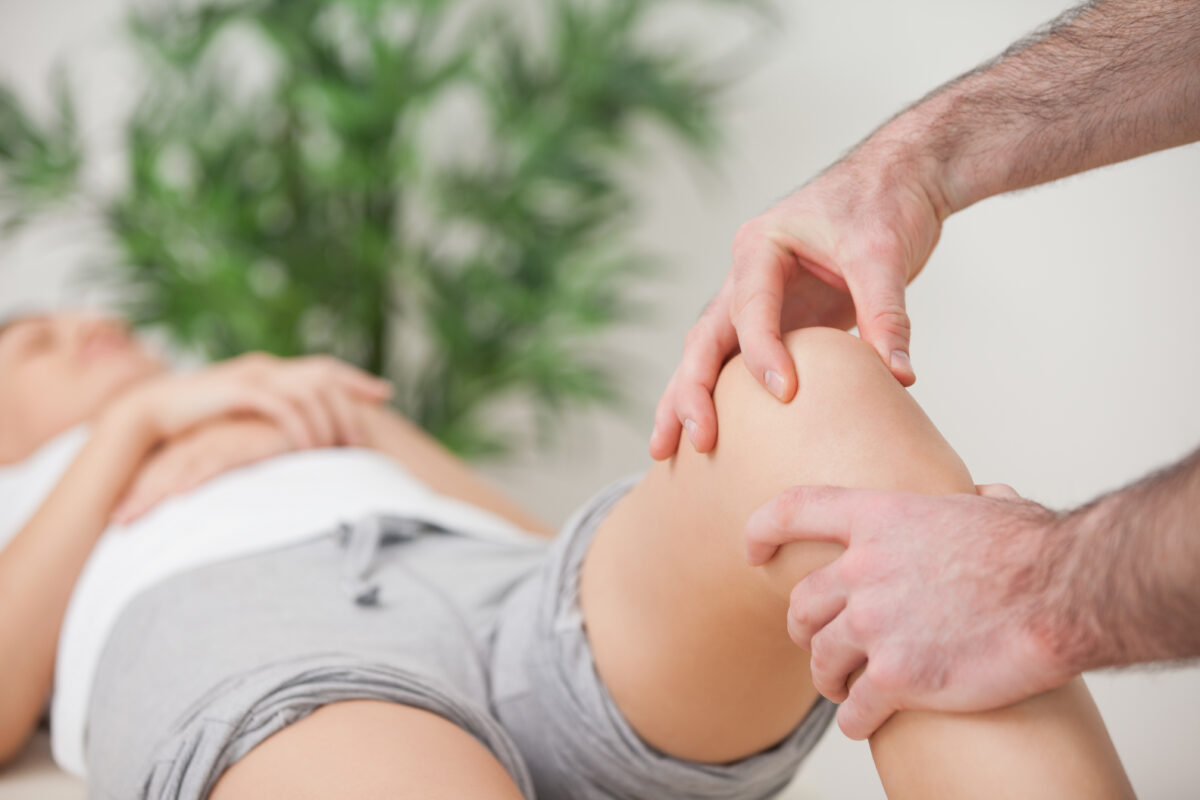
Painful thighs have common causes and warning signs, with treatment usually ensuing, as illustrated by this leg doctor treating a male patient.

Painful Thighs: Common Causes, Warning Signs, and Care

Thigh pain can make everyday movements challenging. Walking, climbing stairs, or even sitting for long periods may feel uncomfortable. Sometimes it comes from overuse or a minor injury, but it can also signal a more serious condition that needs medical care.

This article explains the possible reasons your thighs hurt, what symptoms to watch for, and how a healthcare provider can help you find relief. We’ll also cover when to seek urgent care and what treatment options are available.

Common Causes of Painful Thighs

Several medical conditions can cause discomfort in the thigh. Some are minor and improve with rest. Others may require medical attention.

Muscle Injuries

A painful thigh muscle is often caused by a muscle strain. It happens when thigh muscles stretch or tear during physical activity. 

Symptoms include swelling, tenderness, and pain when moving the affected leg. Injuries in the groin area or the outer side of the thigh are also frequent in athletes.

Joint and Bone Problems

Pain can also begin in the joints or bones and spread to the thigh. Osteoarthritis in the hip often causes aching in the affected area.

Hip bursitis inflames the soft tissues around the joint, which leads to pain when walking or climbing stairs. A femur fracture can cause severe pain and usually needs urgent medical care.

Nerve Problems

Certain nerve problems can cause sharp, burning, or tingling sensations in the thigh. One example is meralgia paresthetica, which involves compression of the lateral femoral cutaneous nerve.

It often leads to burning pain or numbness on the outer side of the thigh. Conditions affecting the lower spine or spinal cord can also create radiating nerve pain.

Deep Vein Thrombosis and Varicose Veins

Poor blood flow or blood clots may result in thigh pain. Deep vein thrombosis occurs when a clot forms in the lower leg, thigh, or pelvis. It can cause swelling, warmth, and pain in one leg. 

In rare cases, clots can travel to the lungs, which requires immediate medical attention. Varicose veins can also create a heavy or aching feeling in the thigh.

Other Causes

Less common sources of thigh pain include infections in the muscle or soft tissues. Sometimes pain is referred from another area, such as a hernia in the abdominal wall.

Tumors of the bone or muscle, while rare, can also cause discomfort in the thigh. Recent surgery, like a hip replacement, may leave lingering pain in the affected area.

When to See a Doctor for Thigh Pain

Some thigh pain improves with rest, ice packs, and over-the-counter pain relievers. But certain symptoms require medical attention. 

Contact a healthcare professional if you feel leg pain so severe that it prevents walking, standing, or putting weight on your body.

If the affected area becomes swollen, warm, or visibly red, this could indicate a clot or infection. These conditions need prompt evaluation and treatment by a doctor.

Call for help immediately if your leg pain comes with sudden chest pain, difficulty breathing, or coughing up blood. These signs may mean a clot has moved to your lungs, which is life-threatening.

A healthcare professional may recommend a physical exam, review your medical history, and order tests for an accurate diagnosis.

How Do Doctors Diagnose Thigh Pain?

A clear diagnosis starts with a healthcare provider listening to your symptoms and reviewing your medical history. This conversation helps identify possible causes based on your activities, injuries, or chronic conditions.

The provider usually performs a physical exam to check your leg, knee, and hip. They may gently press or use a light touch to find tender areas or check your range of motion. Observing how you walk or stand can also reveal which muscles, joints, or nerves are affected.

If the cause remains unclear, your provider may recommend imaging tests. An X-ray can detect fractures or arthritis. Magnetic resonance imaging shows soft tissue injuries involving muscles, tendons, or ligaments.

What Are the Treatment Options for Thigh Pain?

Treatment focuses on the underlying cause and relieves discomfort. Many mild cases improve with home care and patience.

For minor injuries, your doctor may recommend:

  • Resting the affected area to let the body heal without added strain
  • Applying ice packs for a few hours each day to help reduce inflammation
  • Wearing loose clothing to avoid rubbing or compressing sore thigh muscles

Pain relievers can ease discomfort during recovery. Some doctors also recommend physical therapy to build strength, improve flexibility, and help prevent strains during repetitive activities.

For circulation problems, doctors may suggest:

  • Wearing compression stockings to improve blood flow and reduce swelling
  • Maintaining a healthy weight to take pressure off joints and soft tissues

In severe cases, surgery may be required to repair tissue damage, stabilize a joint, or remove a clot. Each treatment plan is personalized to your condition and supports recovery at a safe pace.

How Can You Prevent Thigh Pain?

Practicing healthy habits can reduce the risk of thigh pain and support your body during daily movement. Begin by warming up before exercise to prepare the muscles and promote healing if they have been strained. Stretching afterward keeps the thigh muscles flexible and improves circulation.

Increase activity levels gradually to give your body time to adjust without putting too much stress on the joints. Use proper technique during sports or when wearing a tool belt to avoid uneven strain on the hips and thighs.

Maintaining a healthy weight helps protect the hips, knees, and thigh muscles from added pressure. Wearing clothing that isn’t too tight also prevents unnecessary pressure on nerves and soft tissues.

Relieve Thigh Pain With Help From Wellness and Pain

Thigh pain can make it hard to move comfortably and can interfere with everyday activities. Muscle injuries, nerve compression, or circulation issues are just a few possible causes. Identifying the cause early can make recovery easier and help you feel better sooner.

Wellness and Pain provides advanced diagnostics with targeted medical care. Many treatments are minimally invasive and can often be done in-office without a long recovery. Joint injections, nerve treatments, and therapies for circulation problems all work toward restoring comfort and improving mobility.

Additional therapies support overall comfort and improve related conditions. Weight management programs reduce strain on joints and muscles. Massage therapy, acupuncture, and hormone therapies relieve pain and improve physical and mental well-being.

Request an appointment with Wellness and Pain today.

FAQs About Painful Thighs

What does it mean when your thighs are hurting?

Pain in the thighs often comes from a muscle strain, joint irritation, or nerve compression. Some causes are mild, while others may signal an underlying condition that needs evaluation by a healthcare professional.

What diseases cause thigh pain?

Chronic conditions like arthritis, nerve compression in the lower spine, and deep vein thrombosis can cause thigh pain. Infections, tumors, or referred pain from other parts of the body may also contribute to pain in the thigh.

What deficiency causes thigh pain?

Deficiencies in certain vitamins and minerals can lead to muscle weakness, cramps, and discomfort. Speaking with your doctor helps identify if a deficiency is contributing to the symptoms.

Is thigh pain related to the heart?

In some cases, leg pain caused by blood clots may relate to cardiovascular problems. A clot in the affected leg can travel and cause serious complications, which require prompt medical attention.
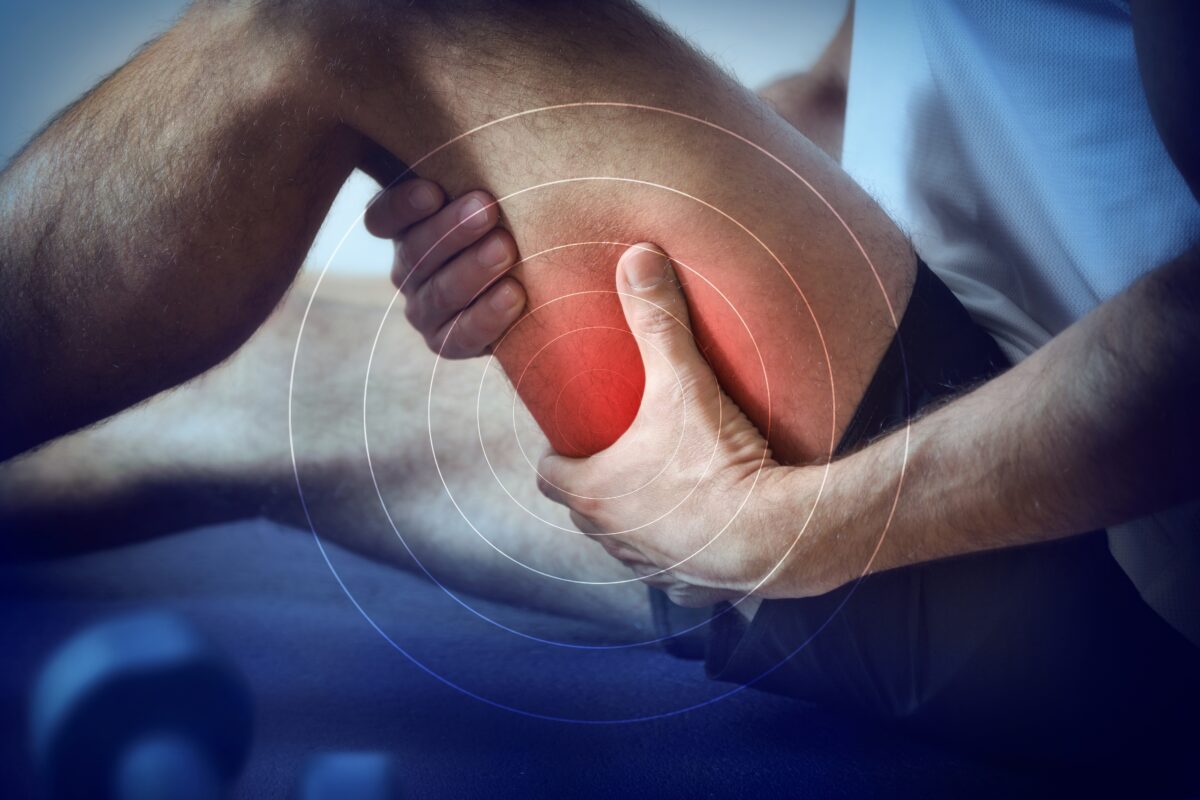
A colored visualization of a gentleman experiencing a thigh cramp at night and in bed.

Painful Thigh Muscle Explained: Symptoms to Recovery

Thigh pain can show up without warning. One moment you are walking, exercising, or going about your day, and your leg starts to hurt.

The pain might feel sharp, tight, achy, or like it’s coming from deep within the muscle. When it lingers, it can interfere with sleep, movement, and even basic activities like sitting or standing for too long.

You might wonder if you pulled a muscle, irritated a nerve, or triggered something more serious. That uncertainty can make it hard to know what steps to take.

This guide will help you figure it out. You’ll learn what painful thigh muscle symptoms typically look like, what causes them, and how to treat them at home or with professional care.

What Causes Painful Thigh Muscles?

If you’re feeling discomfort in your thigh, you’re not alone. Many people experience some form of thigh pain during their lives, and it can interfere with simple daily tasks. The good news is that most causes are manageable with the right care.

Whether your pain started after exercise, an awkward step, or seemingly out of nowhere, identifying the underlying cause is key to choosing the right solution.

Common Muscle-Related Causes

Most cases of thigh pain come from overworked or injured thigh muscles. These large muscle groups, including the quadriceps muscles, hamstring muscles, and adductor muscles, help you stand, walk, and move your leg.

Here are a few muscle-specific reasons your thigh might hurt:

  • Muscle strain: A stretch or small tear in the muscle fibers often follows sudden movement, poor warm-up, or high-speed activities like sprinting. This can feel like a sharp or aching pain during movement or rest.
  • Muscle fatigue: Overdoing a new workout or returning too quickly after time off can leave your thighs sore for days.
  • Muscle imbalance: When some muscles are stronger or tighter than others, the weaker ones take on extra stress. This imbalance can cause pain or increase your risk of injury.

In severe cases, you may even feel a snapping sensation if the muscle or tendons suddenly give way.

Nerve and Joint-Related Causes

Sometimes pain in the thigh area isn’t directly caused by the muscle. Nerves or joints may be the root problem, especially if you feel tingling or a burning pain down the leg.

  • Meralgia paresthetica: This condition happens when the lateral femoral cutaneous nerve is compressed, often by tight clothing or weight loss. It can cause burning, numbness, or tingling on the outer thigh.
  • Nerve injury or irritation: Pressure on spinal nerves, often from a bulging disc in the spinal cord, may send pain down into the upper thigh. You might notice muscle weakness or trouble moving comfortably.
  • Hip and knee problems: Joint inflammation or damage in the hip or knee can refer to pain in the thigh, especially when walking or climbing stairs.

When nerve damage is involved, symptoms may feel strange, like electrical zaps or discomfort, even when you’re not moving.

Other Possible Sources of Thigh Pain

Some thigh problems aren’t related to muscles or nerves at all. Instead, they may involve blood flow, injury, or deeper medical concerns.

  • Direct blow or trauma: A fall, collision, or motor vehicle accident can bruise or tear soft tissue in the thigh. Look for visible bruising, swelling, or tenderness in one spot.
  • Circulation issues: A blood clot, especially a deep vein thrombosis, can cause swelling, heaviness, and aching in one leg. This can become a life-threatening condition and requires immediate medical attention.
  • Infections or systemic medical conditions: In rare cases, infections or inflammatory medical conditions can cause thigh swelling or pain that worsens over time.

These conditions may require a physical exam, blood tests, or imaging such as magnetic resonance imaging (MRI) or X-ray to confirm what’s happening beneath the surface.

How to Identify the Source of Your Thigh Pain

Knowing where your thigh hurts and how it feels can offer helpful clues about what’s causing it. Some types of pain come from the muscles themselves. Others are linked to nerves, joints, or even nearby structures.

Let’s break it down by location and type of discomfort so you can better describe your symptoms and choose the most helpful next steps.

Pain in the Thigh Region

Each part of the thigh plays a different role in movement. Identifying where the pain is centered can narrow the list of possible causes.

  • Front of the thigh: Often linked to issues with the quadriceps muscles, which help straighten your knee and lift your leg.
  • Back of the thigh: This is where the hamstrings work, especially during walking, running, and bending at the knee.
  • Inner thigh: Pain here may involve the adductor muscles, which bring your legs together. Overstretching or strain is common during activities like side lunges.
  • Outer part of the thigh: Discomfort here may stem from tight tendons, irritation of the outer thigh nerve, or joint inflammation in the hip.

Pinpointing the area of pain can also help your healthcare professional rule out problems related to the spinal cord, blood vessels, or joint inflammation.

How Does the Pain Feel?

The symptoms you notice help differentiate a mild injury from something that needs medical care.

  • Aching or soreness may come from general overuse or mild strain.
  • Sharp or stabbing pain during movement might signal a tear or acute injury.
  • Burning or tingling often points to nerve-related causes.
  • Stiffness or tightness might suggest muscle fatigue or postural tension.

If you’re feeling severe pain, or if it wakes you up at night, worsens with walking, or comes with other symptoms like swelling, numbness, or fever, don’t ignore it. These are signs that you should speak with a healthcare provider soon.

How to Diagnose the Root Cause of Thigh Pain

If your thigh pain hasn’t improved or if it’s getting worse, it may be time to seek professional insight. Getting a clear diagnosis helps rule out serious issues and ensures you’re not treating the wrong problem.

Let’s walk through what you can expect during the diagnostic process.

When to Seek Medical Help

You don’t need to panic with every ache or strain. But, certain signs suggest you should talk to a healthcare provider, such as:

  • Pain that lasts more than a week without improvement
  • Severe pain or swelling in the thigh
  • Difficulty walking, standing, or moving your leg
  • Unexplained weight loss or fever
  • Signs of a blood clot, such as warmth, redness, and swelling in one leg

These symptoms may point to a more serious condition, like deep vein thrombosis, nerve compression, or internal injury. In rare cases, untreated thigh pain could be linked to a life-threatening issue, especially if circulation or nerves are affected.

What Will the Doctor Do?

During your visit, your provider will begin by reviewing your medical history and listening to how the pain started. Be prepared to share what the pain feels like (e.g., burning, aching, or sharp), where it’s located, and what makes it better or worse. Disclose any recent physical activity, injuries, or changes in routine.

Next, they’ll conduct a physical exam to test your strength, flexibility, and nerve function. This helps rule out common causes like muscle weakness, nerve injury, or joint irritation.

Tests That May Be Used

If the cause isn’t clear right away, or if there’s concern about deeper damage, your doctor may recommend further testing:

  • X-ray: Helps identify bone alignment issues or arthritis
  • Magnetic resonance imaging (MRI): Provides detailed images of muscle fibers, tendons, and nerves
  • Blood tests: Used to rule out infection, inflammation, or clotting issues
  • Nerve studies: For symptoms that suggest compression or damage to nerve roots

These tools allow your provider to pinpoint the underlying cause and recommend effective treatment options instead of time-consuming trial-and-error solutions.

Professional Treatments for Persistent Thigh Pain

If rest, stretching, and self-care haven’t worked, you’re not out of options. When thigh pain lasts more than a week, interferes with your routine, or worsens over time, it’s time to consider professional care.

Physical Therapy and Movement Correction

Physical therapy can be helpful when pain is due to poor movement habits, posture, or muscle imbalances. A therapist will assess how your body moves and identify areas where you may be putting too much stress on certain muscles.

Your therapist might recommend:

  • Stretching and strengthening exercises for the thigh, hip, and knee
  • Techniques to correct walking patterns
  • Manual therapy or soft tissue massage to ease muscle weakness and tension

These approaches are designed not only to reduce pain but also to prevent it from returning.

Chiropractic and Postural Therapy

Sometimes, thigh pain is tied to how your spine, pelvis, or hips are aligned. Chiropractic care can help restore balance and reduce stress on the thigh muscles, especially if pain is triggered by standing, walking, or prolonged sitting.

You may also benefit from lifestyle changes, like improving your workstation, changing your shoes, or adjusting how you carry weight during physical activity.

Injection-Based Treatments at Wellness and Pain

For pain that doesn’t respond to conservative care, targeted injections can bring lasting pain relief. At Wellness and Pain, a multidisciplinary team uses advanced imaging and diagnostics to locate the true source of pain, whether it’s in the muscle, joint, or nerve.

Treatments include:

  • Trigger point injections for tight, painful knots in the quadriceps muscles or hamstrings
  • Corticosteroid injections to reduce inflammation from joint issues or bursitis
  • Nerve blocks for pain caused by nerve injury or irritation
  • Regenerative therapies like PRP or stem cells for chronic strain or tendon issues
  • Epidural injections for radiating thigh pain related to the spine

These in-office procedures are guided by ultrasound, magnetic resonance imaging, or other advanced tools to target the problem.

Relieve Thigh Muscle Pain With Wellness and Pain

If thigh pain is still affecting your daily life, it may be time to look deeper. Conditions like tendonitis, poor blood flow, or nerve-related issues can all create discomfort that lingers or worsens without care. Even minor pain can lead to additional injury if left untreated.

At Wellness and Pain, the team uses precise tools such as magnetic resonance imaging, blood tests, and a detailed physical exam to identify the underlying cause. Whether your pain stems from a motor vehicle accident, tight clothing, or early signs of a nerve injury, they focus on clear answers and effective treatments.

Treatment options may include ultrasound-guided injections, lifestyle changes, or in-office therapies that support recovery without the need for surgery. You may also receive guidance on preventing strain and managing visible bruising or inflammation that limits mobility.

If your pain has not improved or is limiting your movement, expert care can help.

Schedule your consultation with Wellness and Pain today!

FAQs About Painful Thigh Muscle

What causes muscle pain in the upper thigh?

Muscle pain in the upper thigh often results from overuse, strain, or small tears in the muscle fibers. It can also be caused by pressure on nearby nerves, poor posture, or irritation from nearby joints like the hip or lower spine.

Less commonly, it may be due to a nerve injury, vascular condition, or referred pain from another area.

How do you get rid of thigh pain?

Start with ice packs, rest, and light stretching if your pain is mild. Over-the-counter pain relievers can reduce inflammation and help you stay mobile.

If the pain persists or worsens, a healthcare professional may recommend imaging or refer you for physical therapy, injections, or other treatments, depending on the cause.

What is the pain on the outside of the upper thigh near the hip?

Pain in this outer part of the thigh could be caused by meralgia paresthetica, a condition that occurs when the lateral femoral cutaneous nerve becomes compressed. This often results in burning pain or numbness. It can also be linked to tight tendons, muscle imbalance, or inflammation from overuse.

How do you treat tendonitis in the thigh?

Treatment for tendonitis usually begins with rest and reduced activity. Cold therapy and anti-inflammatory medications can reduce discomfort.

In more persistent cases, treatments may include prescription medications, stretching programs, or ultrasound-guided injections to reduce inflammation and promote healing.

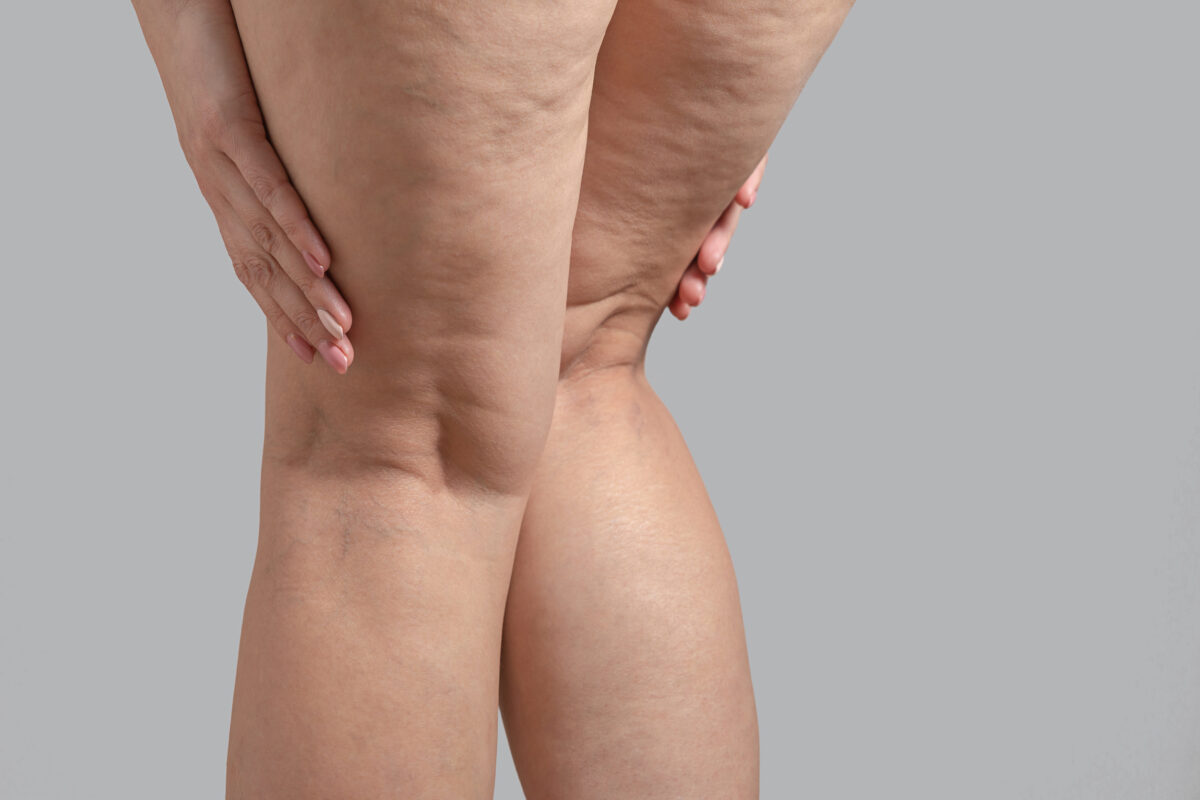
Pain in back of thigh problems cause discomfort and are symptomatic of bigger underlying vein issues, as seen in this image of the back of a lady's thighs.

Best Treatments for Pain in Back of Thigh

Have you ever felt a burning or a sudden sharp pain in the back of your thigh muscles that makes walking or standing a challenge?

The pain can interrupt your daily routine, leaving you searching for answers and relief. It could stem from a muscle strain and potentially more serious issues.

In this guide, we’ll cover the common causes of pain in the back of the thigh, how to address it, and what are the best treatment options.

Anatomy of the Back of the Thigh

The thigh contains three primary muscle groups, essential nerves, and major blood vessels. It supports motor functions. This area is prone to hamstring injuries, nerve-related discomfort, and blood flow issues.

Muscles of the Posterior Thigh

The hamstring muscles dominate the back of the thigh and include the biceps femoris, semitendinosus, and semimembranosus.

The biceps femoris on the outer thigh helps flex the knee and rotate the leg outward. Its long head originates from the ischial tuberosity, while the short head starts at the linea aspera of the femur.

Both parts are inserted into the fibula, while the semitendinosus and semimembranosus assist with knee flexion, hip extension, and leg stabilization.

Nerves in the Posterior Thigh

The sciatic nerve is the largest nerve in the body and runs through the back of the thigh. It supplies the hamstring muscles and provides sensation to the lower leg.

Near the knee, it divides into the tibial and common fibular nerves, which control movements in the lower leg and foot. The lateral femoral cutaneous nerve supplies sensation to the outer thigh.

Blood Vessels in the Posterior Thigh

The profunda femoris artery, a branch of the femoral artery, supplies oxygenated blood to the hamstring muscles.

Its perforating branches penetrate the posterior thigh, nourishing muscles and surrounding structures.

The inferior gluteal artery adds supplemental blood flow to the proximal hamstrings.

Common Causes of Pain in the Back of the Thigh

Understanding the causes of pain in the back of your thighs helps identify appropriate treatments. Below, we break down the most common conditions contributing to posterior thigh pain.

Deep Vein Thrombosis (DVT)

DVT is a serious condition where blood clots form in the deep veins, usually in the legs. These clots block blood flow and can cause pain and swelling, often in the back of the thigh.

DVT typically affects one leg but can lead to life-threatening conditions if left untreated. Pulmonary embolism is one of its most severe complications.

According to the book The Surgeon General’s Call to Action. DVT and PE together cause over 100,000 deaths each year.

Common symptoms include:

  • Noticeable swelling in the affected leg, often localized to the calf or thigh.
  • Pain or tenderness in the back of the thigh or lower leg, which may worsen when standing or walking.
  • The skin over the clot may feel warm to the touch and appear reddish or discolored.
  • A sensation of heaviness, cramping, or tightness in the affected leg.
  • The skin on the leg may appear pale or bluish in severe cases of reduced blood flow.

Sciatica

Sciatica happens when the sciatic nerve, the largest nerve in the body, is compressed or irritated. This nerve starts in the lower back, moves through the buttocks, and runs down the back of each thigh to the legs and feet.

Common causes include herniated disks, bone spurs, spinal stenosis, or piriformis syndrome, where the piriformis muscle presses on the nerve.

Common symptoms of Sciatica include:

  • Pain begins in the lower back or buttocks and travels down the back of the thigh.
  • A “pins and needles” sensation.
  • Reduced strength in the affected leg.
  • A sharp or burning pain

Peripheral Arterial Disease (PAD)

PAD occurs when the arteries in the legs narrow or become blocked, restricting proper blood flow to the muscles.

This reduced oxygen supply can cause pain in the back of the thigh, often triggered by walking or exercise, that improves with rest (a condition called claudication).

If left untreated, peripheral artery disease may lead to serious complications, such as tissue damage, non-healing ulcers, or even limb amputation in severe cases.

Bursitis

Trochanteric bursitis, now commonly referred to as greater trochanteric pain syndrome (GTPS), occurs when the bursa, a small, fluid-filled sac near the greater trochanter of the thighbone, becomes inflamed or irritated.

While bursitis is a common cause, GTPS may also involve tendons or soft tissues around the hip, making proper diagnosis essential.

Common symptoms of GTPS include:

  • Pain on the outer side of the hip and thigh.
  • Tenderness and swelling around the greater trochanter area.
  • A deep, aching pain that may radiate down the outer thigh.
  • Stiffness or limited movement in the hip joint, especially after inactivity.

Tendinitis

Hamstring tendinitis occurs when the tendons connecting the hamstring muscles to the pelvis or lower leg become inflamed.

This condition often develops from overuse or repetitive strain, particularly during activities that involve frequent bending or sudden bursts of movement, such as running, jumping, or cycling.

While it can affect anyone, athletes and individuals with tight or weak hamstring muscles are at a higher risk.

Common symptoms of hamstring tendinitis include:

  • Upper thigh pain or pain near the base of the buttocks
  • Localized swelling and stiffness in the affected area

Hamstring Strain or Tear

A hamstring strain or tear is a common injury that causes pain in the back of the thigh. It happens when the hamstring muscles are overstretched or exposed to sudden force beyond their limit.

Hamstring injuries are classified into three grades based on severity. A review of athletes found that hamstring injuries during sprinting usually occur because the muscles are overstretched while trying to control movement during the final part of a running stride.

Symptoms of a hamstring strain or tear:

  • A sharp, sudden pain in the back of the thigh at the moment of injury.
  • Touching the injured area can feel sore or sensitive.
  • Swelling and Bruising
  • A “popping sound” when the injury occurs

Hamstring Tendinopathy

Unlike sudden injuries, hamstring tendinopathy develops over time from overuse or degeneration of the tendons, linking the hamstring muscles to the pelvis and lower leg.

Symptoms include persistent discomfort or a dull ache in the back of the thigh, pain during activities like running or climbing stairs, and stiffness after rest.

Best Treatment Options for Thigh Pain

The best treatment options depend on the cause, whether it’s a strain, nerve compression, or a vascular condition. Here are some of the best options available for your consideration.

Physical Therapy

A physical therapist creates a program to stretch tight muscles, improve flexibility, and strengthen the thighs. Hamstring stretches reduce stiffness and help restore flexibility after an injury.

Strengthening exercises, like resistance band routines or gentle squats, rebuild muscle function and lower the risk of re-injury.

Regularly following these exercises relieves pain and corrects muscle imbalances that cause ongoing issues.

Medications

Over-the-counter medicines like ibuprofen or naproxen are great for easing inflammation in cases like bursitis or tendinitis.

Blood-thinning medications called anticoagulants are used for vascular issues like DVT or PAD to prevent clots and improve blood flow.

Always follow your healthcare provider’s instructions to avoid potential complications.

Trigger Point Injections

The procedure involves injecting a small amount of medication, such as a local anesthetic (lidocaine) or a corticosteroid, directly into the trigger point.

This helps relax the muscles, reduce inflammation, and break the pain cycle. The treatment is quick, minimally invasive, and usually takes just a few minutes.

Vein Ablation

Vein ablation, also known as thermal ablatio,n uses heat generated by radiofrequency or laser energy to treat vein-related conditions that cause thigh pain.

The process involves sealing damaged or dysfunctional veins Redirecting blood flow to healthier veins helps reduce symptoms and improve circulation.

A study found that patients who underwent thermal ablation had a lower risk of developing DVT and PAD. The risk of DVT was reduced by 51%, and the risk of PAD was reduced by 36%.

Surgical Interventions

Surgery may be necessary for severe cases when other treatments don’t work. Tendon repair is often used for major hamstring tears to reattach the tendon to the bone.

For advanced PAD, vascular surgery can improve circulation and prevent serious tissue damage. These procedures are typically a last resort.

Treat Your Thigh Pain With Wellness and Pain

At Wellness and Pain, we don’t just treat pain in the back of your thigh; we help you regain your freedom to move and live fully.

Our expert team looks beyond temporary fixes to uncover the true cause of your discomfort. We create a personalized treatment plan tailored to your needs.

We combine advanced medical treatments with compassionate care to reduce pain and restore your quality of life.

Call us today at (844)-588-3732 or request an appointment to start your journey to lasting relief and a healthier, pain-free future.

FAQs About Pain in Back of Thigh

What would cause the back of my thigh to hurt?

Pain in the back of the thigh often comes from hamstring strains, tendinitis, or overuse injuries caused by physical activity. It can also result from conditions like sciatica or vascular issues like DVT and PAD.

When should I be worried about thigh pain?

You should be concerned when severe pain is sudden or when it starts radiating to other parts of your legs, causing knee pain, severe cramping,

How do you relieve pain in the back of your thigh?

Pain relief depends on the cause. Rest, ice packs, and medicine like ibuprofen can reduce inflammation from injuries.

How do I know if it’s my hip or sciatica?

Sciatica pain often radiates down the back of the thigh and can reach the lower leg or foot. In contrast, hip-related pain usually stays around the hip joint and may slightly refer to the thigh without the radiating pattern of sciatic nerve pain.

We Accept Most Insurances

Wellness and Pain accepts most major insurance plans. Here is a list of some of the major insurance plans we accept. If you do not see your insurance plan listed, please call our office to confirm.

Call Us Appointment Locations
Hi, How Can We Help You?