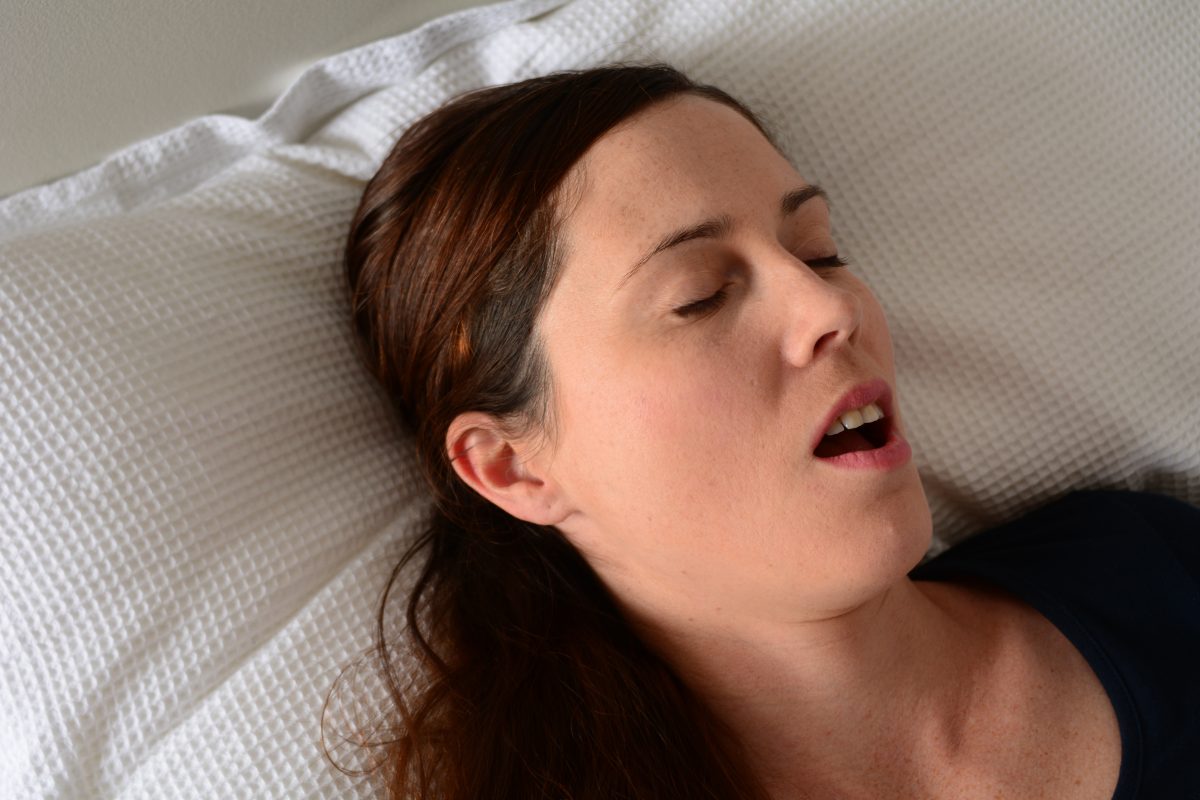

A top athletic performance factor is often overlooked in the sports world: sleep quality and today’s oral appliance for sleep apnea. Athletes chase every possible advantage, knowing that marginal gains can separate good from great. High-end gear and tailored nutrition get plenty of attention.
But the oxygen an athlete receives during rest can profoundly affect recovery, endurance, and mental sharpness. Many competitors unknowingly struggle with nighttime breathing issues such as obstructive sleep apnea, an underdiagnosed condition that quietly undermines stamina, slows recovery, and hinders focus.
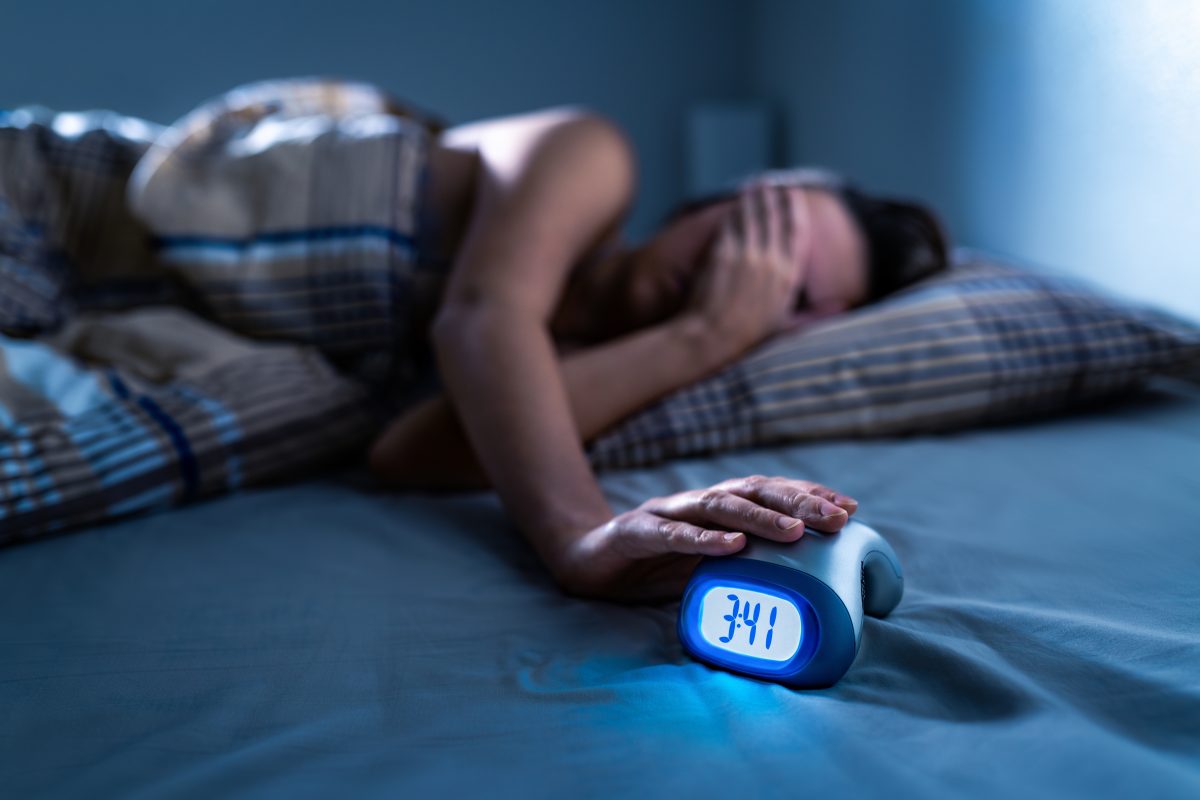
When airflow drops during sleep, the body’s ability to repair and recharge falters. Muscles and the brain both depend on steady oxygen levels to work efficiently. Obstructed airways interrupt that cycle, leaving athletes fatigued even after a full night’s rest.
Correcting these breathing issues can transform performance. Custom oral devices do far more than reduce snoring. They help restore proper airflow, allowing oxygen to move freely through the body.
With open airways, hormonal balance improves, muscle recovery accelerates, and energy returns. By morning, every system is better prepared for the physical and mental demands of training and competition.
Sometimes, optimizing what happens off the field through better breathing is what gives athletes the edge to win.
Why Athletes Struggle Over and Over Again
Many people assume Obstructive Sleep Apnea (OSA) and modern oral appliances for sleep apnea only relate to individuals who are sedentary or overweight. That’s a common misconception.
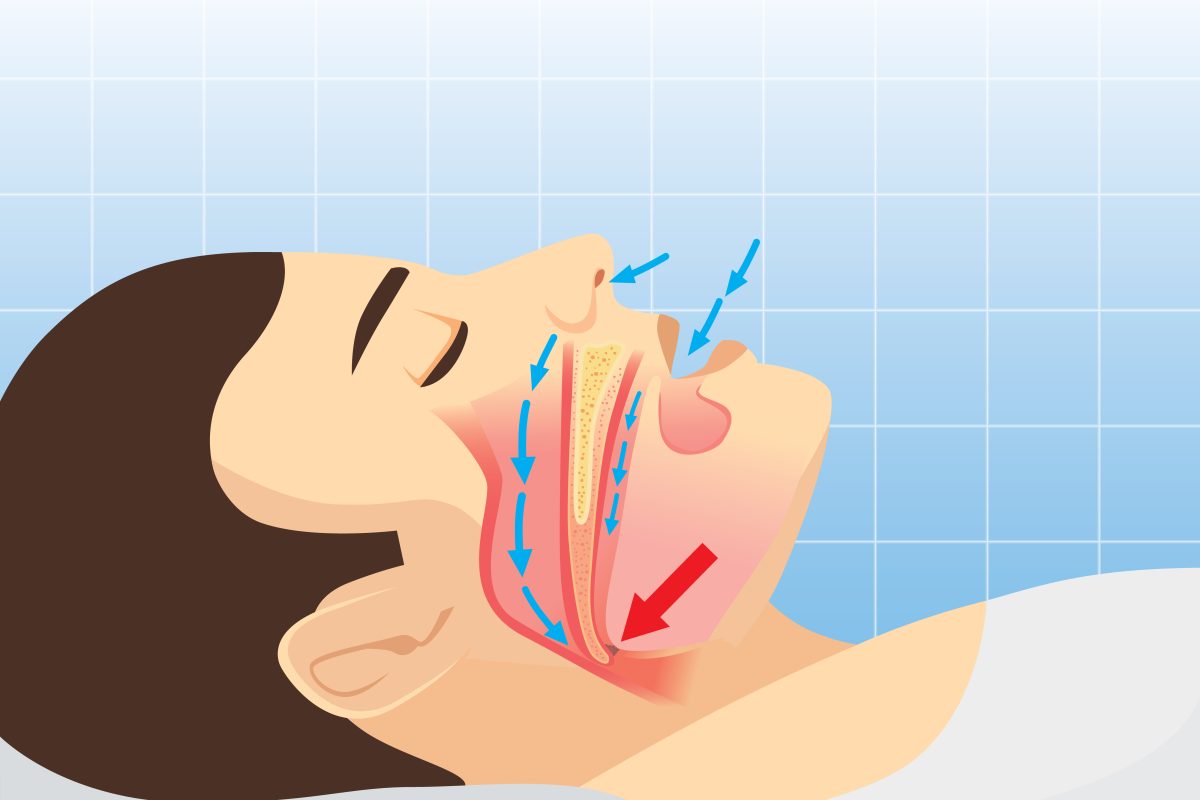
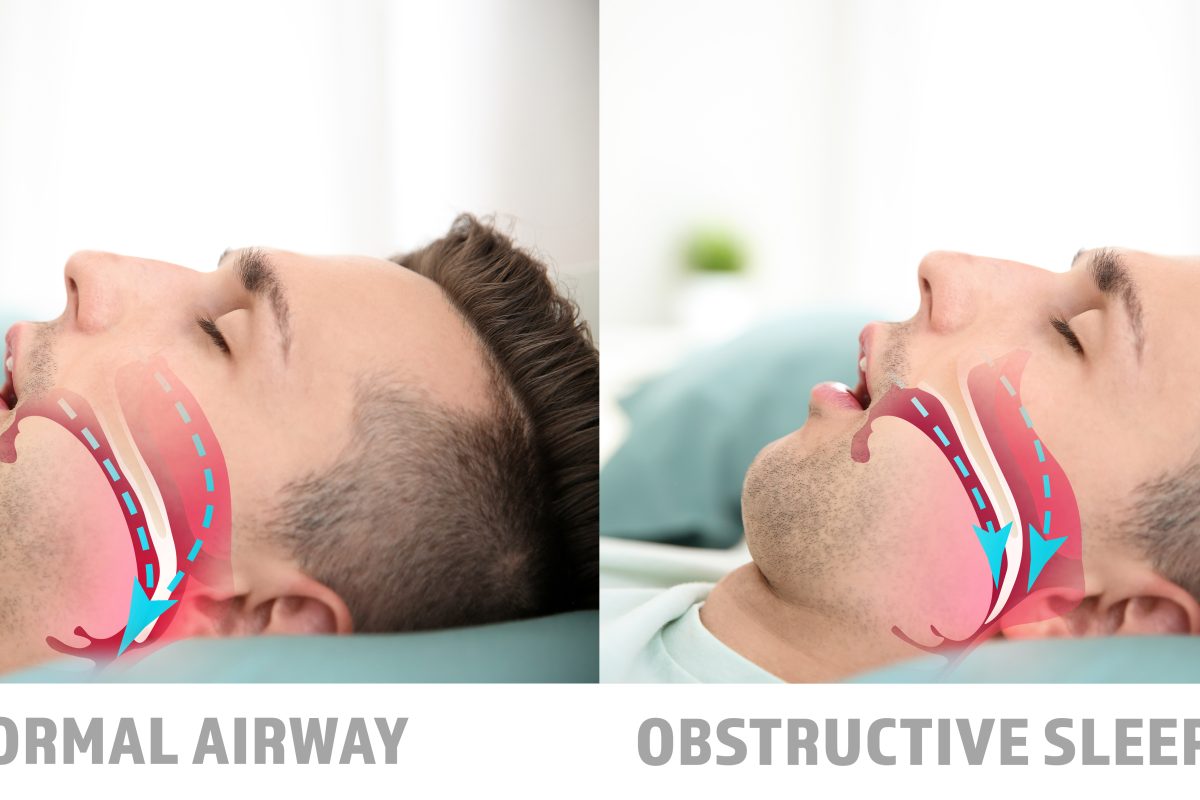
Athletes face their own set of risks. Strong neck muscles and certain jaw structures can actually make nighttime breathing more difficult. During deep sleep, muscle tone relaxes. For some individuals, that relaxation allows the tongue to fall backward or the soft palate to collapse against the throat wall, narrowing the airway and disrupting smooth airflow.
Even partial obstructions can have real consequences, known as hypopneas. A drop in oxygen triggers the heart to work harder, sensing it must compensate. Because athletes already burn through oxygen rapidly, these interruptions strike with greater intensity.
Each episode quietly undermines the recovery process, acting like an invisible hurdle between training sessions. Recognizing that the airway itself needs support reframes sleep. It’s no longer something passive, but an active component of performance maintenance.
Unfortunately, many athletes with sleep apnea remain undiagnosed. Their symptoms resemble overtraining: persistent exhaustion, declining endurance, irritability, and slow recovery even with disciplined rest.
Yet the issue isn’t always effort. It’s ineffective sleep. When breathing falters, the body stays locked in a stress response instead of shifting into true restorative mode.
It may feel like rest, but internal signals tell a different story. The body never fully transitions into repair. As fatigue accumulates, training results plateau or regress.
Targeted oral devices can make a dramatic difference. By gently maintaining an open airway, they allow for steady oxygen flow and uninterrupted sleep cycles. That stability helps the body finally enter the deeper stages of recovery, where healing, growth, and genuine performance gains occur.
Oxygen Saturation, VO2 Max, and Oral Appliance for Sleep Apnea
The body’s ability to use oxygen determines how long and how hard an athlete can train. Metrics like VO₂ max measure this efficiency at peak exertion, but nighttime recovery plays a surprisingly large role.
When sleep is interrupted by an obstructed airway, oxygen levels dip. This leaves your body depleted before the day even starts.
Repeated oxygen fluctuations during sleep trigger a chain of physiological responses. The body compensates by producing extra red blood cells, a reaction that thickens the blood and increases cardiac workload. Instead of improving endurance, this imbalance drains energy reserves.
Sleep apnea is a deeper issue tied to stress regulation. Each blocked breath can activate cortisol, the body’s main stress hormone. Normally, cortisol falls overnight to let muscles rebuild. When it stays elevated, muscle tissue breaks down, and fat tends to accumulate around vital organs.
Low oxygen also raises C‑reactive protein, a marker of inflammation that slows healing. Recovery after competition or strenuous workouts becomes less efficient, and injury risk increases.
Keeping the airway open through targeted oral therapy promotes steady oxygen delivery, balanced hormones, and healthier muscle repair. Over time, these quieter adjustments can make a visible difference, helping athletes recover faster and perform at their true potential.
“Environmental cues are a major component of directing immune function in health and disease,” according to Frontiers in Immunology. “Inflammation and environmental oxygen levels are linked; inflammation is often accompanied by hypoxia, and hypoxia itself can cause inflammation. In patients, many different inflamed tissues have been shown to have lower than normal oxygen levels.”
Deep Sleep in HGH and Testosterone Production
Sleep acts as the body’s built‑in reset system, which is something that any oral appliance for sleep apnea is built to support.
During those deep, uninterrupted hours, the brain signals the pituitary gland to release a surge of Human Growth Hormone. HGH is the catalyst for tissue repair, bone strength, and muscle development after strenuous workouts.
Testosterone, closely tied to power and recovery, also peaks when sleep runs its full course.
“The neurons that orchestrate growth hormone release during the sleep-wake cycle — growth hormone releasing hormone (GHRH) neurons and two types of somatostatin neurons — are buried deep in the hypothalamus, an ancient brain hub conserved in all mammals,” states a study in UC Berkeley News and Cell. “Once released, growth hormone increases the activity of neurons in the locus coeruleus, an area in the brainstem involved in arousal, attention, cognition and novelty seeking. Dysregulation of locus coeruleus neurons is implicated in numerous psychiatric and neurological disorders.”
But when airflow breaks down during the night, the system falters. The body repeatedly wakes, and hormone production drops.
Over time, many athletes with breathing issues show hormonal profiles that resemble those of someone far older. Rest no longer restores. It merely pauses fatigue.
Oral devices can step in here. By keeping the airway open, they allow deeper, more consistent sleep cycles. Athletes wake genuinely rested, less sore, and better recovered. Muscles repair as intended, and the risk of injury declines.
Traditional CPAP machines have helped manage sleep apnea for decades, yet for athletes, they often create more inconvenience than relief. Frequent travel, altitude shifts, and tight schedules make bulky equipment impractical. The need for distilled water or constant access to power adds further strain.
Most of all, wearing a mask connected to tubes can feel restrictive, especially for those who depend on unhindered breathing as part of their sport. Mask leaks can cause dryness or irritation, disrupting sleep instead of improving it.
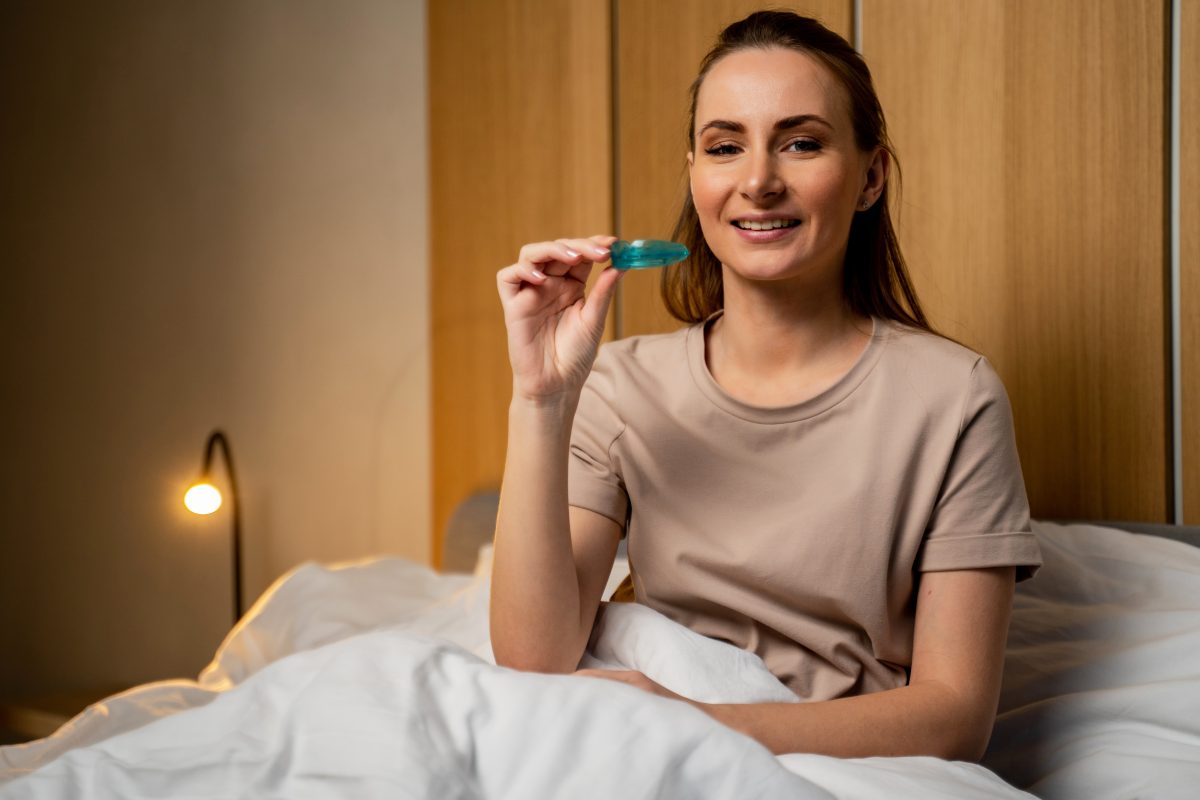
Oral devices are compact and simple. They require no electricity, fit easily in a pocket, and allow full jaw movement. For many athletes, that means sleep therapy finally becomes effortless.
The MAD Mechanics of Oral Appliances for Sleep Apnea
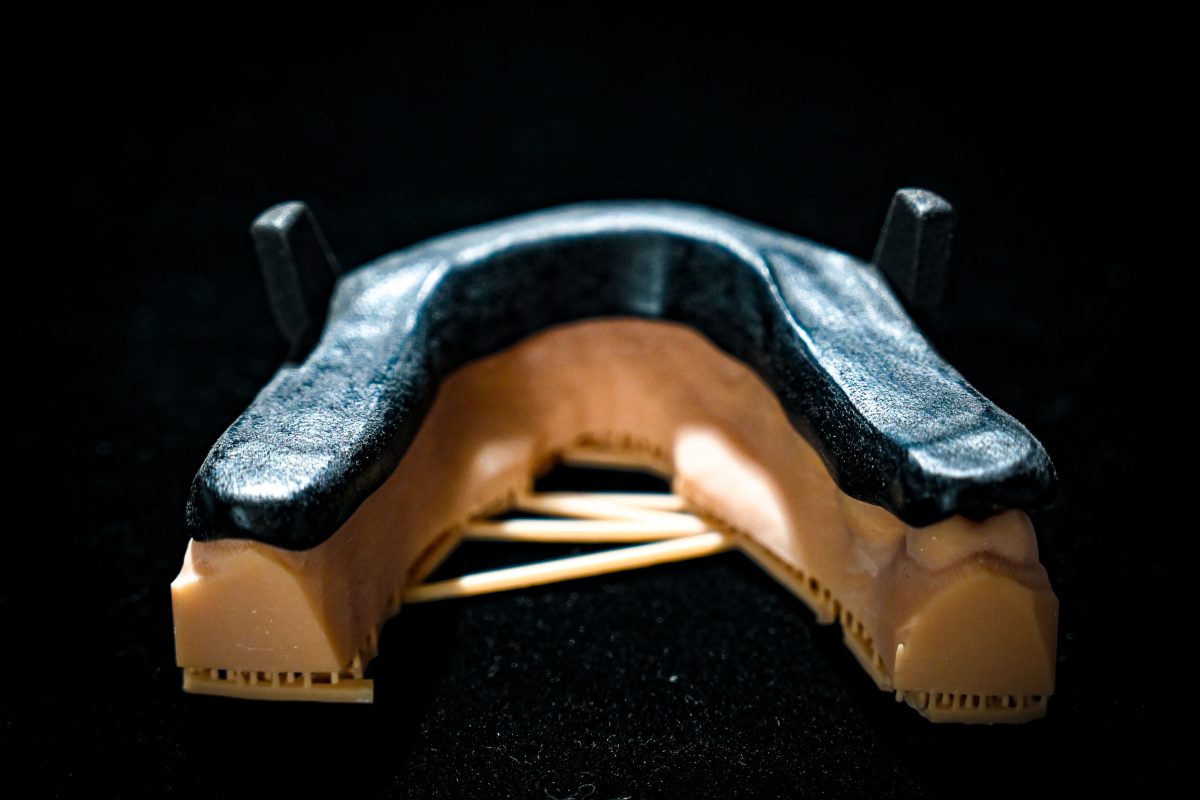
Understanding oral appliance therapy begins with the Mandibular Advancement Device, or MAD. Each appliance is custom‑shaped to fit an athlete’s teeth and bite pattern.
A small connector lets the lower jaw move slightly forward in controlled increments. That subtle repositioning draws the tongue and soft tissues forward, reducing the chance they’ll collapse and block airflow during sleep.
This gentle adjustment keeps the airway open without mechanical pressure. Whereas CPAP machines push air through obstruction, a MAD helps maintain a clear passage so breathing stays natural. Many athletes prefer this approach because they can breathe freely through either the nose or mouth — without masks, hoses, or forced airflow.
Peak performance in sports depends on more than raw strength. Split‑second decisions and mental clarity often define outcomes as much as physical readiness. The prefrontal cortex, which is the brain region tied to judgement and reaction time, slows down when sleep suffers.
Even minor lapses can change the course of a competition. This could be a missed timing cue, a poor line on a downhill run, or a delayed pass that breaks momentum.
When oral appliances help maintain steady oxygen throughout the night, the brain operates more efficiently. Athletes notice sharper focus, steadier concentration, and quicker reaction times. Recovery feels more complete, and fatigue fades faster.
With sound sleep and open airways, both body and mind start working in sync again.
Circadian Rhythms and the ‘First Night’ Effect
Wearing an oral appliance for sleep apnea can help stabilize the body’s internal sleep rhythm.
Sleep apnea disrupts this natural cycle, causing frequent awakenings that throw hormones like melatonin out of alignment. When breathing remains steady through the night, the body can ease into rest more quickly and maintain a consistent sleep pattern. Athletes often notice they fall asleep faster and wake more refreshed, without needing extra time to settle into rest.
A stable sleep rhythm supports training efficiency, especially for athletes who travel frequently. Crossing time zones or adapting to new environments can make recovery harder, but a small, familiar device helps smooth the transition. Bringing a custom mouthpiece offers a sense of routine — even in unfamiliar hotel rooms or shifting altitudes.
It’s a simple way to bring part of home along wherever competition takes you.
| CPAP Machine | Lifestyle Adjustments | Custom Oral Appliance | |
| Portability | Low (Bulky, requires power) | High (No equipment) | Very High (Pocket-sized) |
| Recovery Impact | High (Direct oxygenation) | Variable (Supportive only) | High (Mechanical support) |
| Comfort Level | Low (Mask/Tubing) | High (Natural) | Moderate to High (Custom fit) |
| Travel Suitability | Difficult (TSA/Water needs) | Excellent | Excellent (No power needed) |
| Athlete Compliance | Often Low | High | Very High |
| Hormonal Support | Excellent (Stabilizes HGH) | Minimal | Excellent (Prevents Cortisol spikes) |
Every sleep solution affects daily life differently, and athletes need options that match their performance goals and travel demands. Side‑by‑side comparisons often show that while CPAP therapy can be effective under controlled conditions, it’s far less practical on the road. Carrying machines, cords, and water adds friction that breaks consistency.
Custom oral appliances support healthy breathing, steady recovery, and consistent sleep quality without disrupting mobility or travel. Whether training locally or competing across continents, maintaining open airways at night helps keep the body in sync.
Performance and Airway: Oral Appliance for Sleep Apnea
- Will an oral appliance affect my dental alignment or bite? Professional oral appliances are custom-molded to your unique dental structure. While some minor tooth movement or a temporary change in bite sensation can occur in the morning, these are typically managed through professional monitoring and morning reset exercises. For athletes, the trade-off far outweighs these manageable adjustments.
- Can I use an oral appliance if I wear a mouthguard during my sport? Yes. However, it is important to distinguish between your sports mouthguard and your sleep appliance. Your sleep appliance is designed for airway management, not impact protection.
- How long does it take to see improvements in my training performance? While some athletes report feeling more alert after the very first night, the most significant physiological changes usually manifest over 2-4 weeks of consistent use as your hormonal balance stabilizes.
- Is it difficult to breathe through my mouth while wearing the device? Most modern custom appliances allow for some degree of mouth opening and lip seal, meaning you can still breathe through your mouth if you have nasal congestion. However, the device is designed to facilitate the easiest possible air passage, which often naturally promotes healthier nasal breathing.
Athletic performance doesn’t pause at night. Sleep is an active part of training, shaping how well the body recovers, repairs, and prepares for the next challenge.
Breathing problems during sleep can quietly undermine progress, such as raising stress levels, disrupting hormones, and limiting the body’s ability to rebuild. Over time, those small interruptions make endurance fade and recovery stall, even when every other part of training is on track.
“Sleep is an essential component for athletes’ recovery from fatigue, due especially to its physiological and psychological restorative effects,” according to Exercise Physiology. “Moreover, sleep is extremely important for numerous biological functions, and sleep deprivation can have significant effects on athletic performance in short-, medium-, and long term.”
That’s where oral appliance therapy can make a real difference. By keeping the airway open, these devices promote deeper, more restorative sleep. Oxygen becomes the key driver behind recovery and focus.
Wellness and Pain
Find your oral appliance for sleep apnea by visiting Wellness and Pain. We offer conservative treatments, routine visits, and minimally invasive quick-recovery procedures. We can keep you free of problems by providing lifestyle education and home care advice.
This enables you to avoid and manage issues, quickly relieving your inhibiting lifestyle conditions when complications arise. We personalize patient care plans based on each patient’s condition and unique circumstances. Wellness and Pain can help improve wellness, increase mobility, relieve pain, and enhance your mental space and overall health.