

Leg Pain

Leg Pain: Symptoms, Considerations, & Treatment

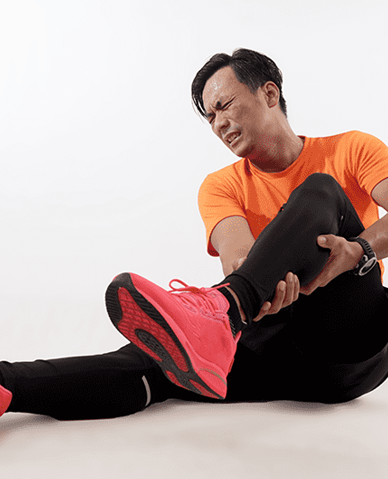
Have you ever experienced shooting leg pain running up and down your legs when you walk? Perhaps you’ve been standing for a while and it flares up, or maybe you’re just resting and it comes on suddenly. Many victims find it debilitating, as well as uncomfortable. Even more seek help from a leg pain specialist.

Symptoms of painful lower legs must be treated according to the underlying cause. But if your symptoms persist or worsen, you should see a medical professional. You can receive proper and appropriate treatment for your symptoms after an expert examines you thoroughly.


Why the Leg Pain?

The worst thing anyone can experience is leg pain. You may suffer from a cramp or an unfortunate injury to your muscles, bones, or nerves. In addition to trauma and underlying conditions, there are many other reasons why legs begin to hurt. There can also be overlap between symptoms.

A person may experience pain in the lower extremities steadily, sporadically, or gradually. It can come on suddenly while doing certain activities or even just resting. Just a part — or the whole leg — may be affected. There can be a range of sensitivities associated with painful lower legs, including dull and sharp feelings, aching and stabbing, and even numbness and burning sensations.

The most common types of leg pain are neurological, musculoskeletal, and vascular. There are many who suffer from neurological pain, including restless leg syndrome, neuropathy, and sciatica. Even when you rest, your arms and legs can hurt from neurological pain.

Musculoskeletal pain is characterized by crepitus — or popping and cracking in the knee. As arthritis progresses, joints can become damaged. Bad falls, however, can injure muscles, tendons, and ligaments, causing musculoskeletal pain. Stress fractures, compartment syndrome, and cramps are all musculoskeletal issues.

It’s also common for adults to experience vascular pain, which can be caused by deeply seated thrombosis, vasculitis, varicose veins, varicose eczema, or skin discoloration. Muscles and organs in your body are supplied with blood by your heart. The valves in your blood vessels must function properly to keep blood flowing in your legs. A vessel’s valves become inefficient over time as it stretches. Symptoms begin to appear when deoxygenated blood, cells, and waste in your vessels begin to concentrate.

With so many potential causes, it takes a leg pain specialist to sort through it all.


The Dynamics of Leg Pain

It’s possible to experience leg pain on a regular basis or at random intervals. It can occur with or without activities. Because pain can be caused by a variety of illnesses, there is no set duration. Whenever you are in pain and unable to walk even a few steps, seek medical attention.

If you’re experiencing pain that worsens with walking, is swollen, or doesn’t go away with home remedies, then consult a doctor. The following symptoms should be checked with your doctor as soon as possible:

  • Infection — such as redness, warmth or a fever — should be taken seriously.
  • Swelling, paleness, or unusual coldness in your legs.
  • When a long period of sitting causes your calf or calves to hurt.
  • If you are breathing heavily and both of your legs are swollen.
  • Unexpected pain.

In many cases, your pain won’t trigger an emergency. However, in any case, if you are unable to stand or walk, you should seek medical treatment right away from a leg pain specialist. You should watch for signs of heat, redness, swelling, or tenderness in your calf. If you’ve sustained a leg injury, accompanied by a popping or grinding sound, be on the lookout for deep cuts or exposed tissue.

Leg Pain Symptoms & Treatment

Symptoms in your legs may be affected by poor vein circulation, resulting in mild to extreme leg pain. Swelling, cramping, and soreness can be caused by inadequate circulation in the veins. Leg muscles and bones may suffer from lower extremity pain if veins cannot transport blood and oxygen to them. Since varicose veins are essentially swollen and bulging veins, they are also painful and uncomfortable.

Vascular diseases or circulatory diseases affect your arteries and veins. Veins and arteries pump blood through your body with the help of your heart. An individual’s veins and arteries both transport blood, but veins specifically move blood back to the heart after oxygen-rich blood has been carried to their extremities by the arteries.

It’s common for vascular disease to manifest itself through limb pain first, but remember that each person experiences it differently. Your limb pain can range in severity. It’s possible to feel pain at any time, whether you are active or inactive. When you first feel pain, it’s easy to ignore it and hope it will go away on its own — but pain in your legs should never be ignored.

Even worse, you could suffer from a serious medical condition called deep vein thrombosis, which can lead to swelling in the legs, more pain, and even blood clots.

Medical treatment, physical therapy, and non-invasive treatments or surgery are all options. It’s common for pain to develop over time as a result of injuries, overuse, or wear and tear. You may be able to manage your pain with some treatments, but others may require more medical attention.

In the event your pain persists or worsens over time, or if you experience immobility or infection symptoms, seek medical attention right away.


Wellness and Pain Can Help

A range of options are available at Wellness and Pain to treat your leg pain. We offer conservative treatments, routine visits, and minimally invasive quick-recovery procedures. We can keep you free of problems by providing lifestyle education and home care advice from a caring leg pain specialist. They’ll help you avoid and manage issues, quickly relieving the conditions inhibiting your life by using cutting-edge techniques.

At Wellness and Pain, we personalize patient care plans based on each patient’s condition and unique circumstances to relieve pain, improve mobility and mental space, and improve your overall health.

Treatments for Leg Pain

NCV/EMG

NCV/EMG

...

Nerve Conduction Velocity

Nerve Conduction Velocity

...

Orthopedic Leg Pain

Orthopedic Leg Pain

Lower extremity orthopedics is a branch of orthopedics that focuses on the diagnosis and treatment o...

Read More

Trigger Point Injections

Trigger Point Injections

TPI are used to treat painful and tender areas of muscle. They are intramuscular and subcutaneous in...

Read More

Massage Therapy

Massage Therapy

Pain including Muscle Tension, Back and Shoulder pain, Repetitive stress injuries, Headaches, Neck p...

Read More

Acupuncture Therapy

Acupuncture Therapy

A traditional Chinese medicine technique that is used to stimulate energy flow and promote healing. ...

Read More

Chiropractic Services

Chiropractic Services

Flexion-distraction therapy is a specific gentle technique performed on a segmented table that moves...

Read More

IV Hydration

IV Hydration

...

Schedule Your Consultation Today

Back Pain Specialists

Back pain specialists who care

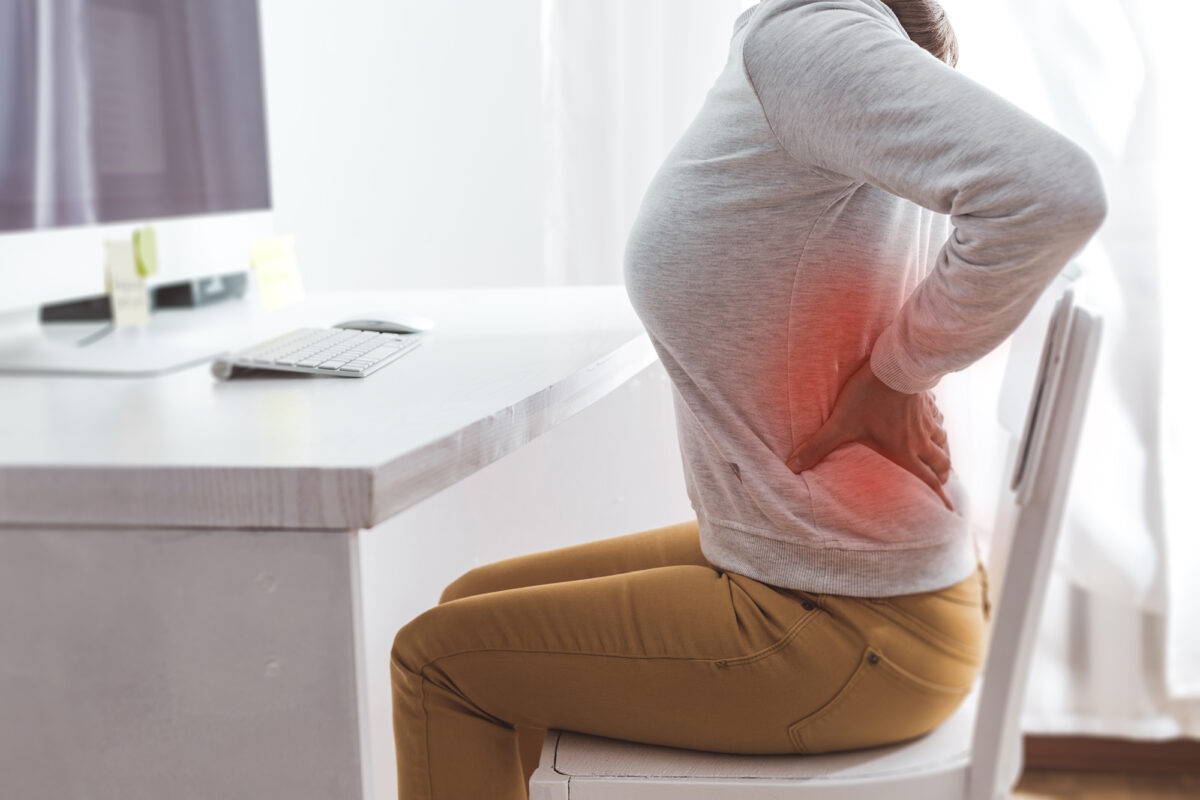
Especially with how many jobs today require us to sit, back pain is an incredible adversary to modern man. This is even more reason to find the right back pain specialist for you. But what might that look like? Simple, it’s the one who cares the most. At Wellness and Pain, your ‘Back pain specialists near me’ journey ends here. At Wellness and Pain, we care.

We understand the varied causes of back pain—Plus one you might not know—and we know the devastating impact it can have on your life. Thankfully, there’s a solution.

And you’re well worth the effort.

Common causes of back pain

Across the board, back pain specialists alike can agree on how uncomfortable and often debilitating back pain can be. In fact, it’s the most common reason people call out from work or miss family activities. This comes as no surprise when you consider its plethora of causes.

Some of the most common causes of back pain are:

  • Obesity
  • Poor posture
  • Sedentary lifestyles
  • Muscle or ligament strain
  • Disc problems
  • And Injuries

Yes, carrying some extra weight around your waist will lead you to scramble the internet for ‘Back pain specialists near me’ sooner or later. Carrying excess weight can easily strain your back. Sitting or standing for long periods in a slouched manner can strain your back as well. This also includes sedentary lifestyles. Quite simply, our bodies were made to move. Not doing so weakens our back muscles.

But let’s go to the other end of the spectrum. Overuse, heavy lifting, and sudden movements can not only cause muscle strains but tears as well. In addition, things like falls, accidents, and other injuries can cause severe trauma to your back. Some of these can lead to spinal disc problems. These discs are the cushions between the vertebrae in your spine. If one is herniated or damaged, it can put unnecessary pressure on the surrounding nerves.

However, there’s still one more common cause of back pain we haven’t mentioned. It might be one of the most common causes. Yet so few know it even exists.

It’s your blood flow.

Back pain causing a woman to sit at the edge of her bed and hold her lower back.

Back pain specialists and blood flow

Normally, blood is pumped from our heart to the rest of our body. In our legs, we have valves in our vessels to help recycle blood back to the heart and keep circulation flowing. However, over time those vessels can stretch, and the valves can’t work as efficiently. As a result, blood and waste products begin to pool in our legs, sending a rippling effect upward and causing back pain. Considering how integral our backs are to the rest of our lives, we must find back pain specialists who not only understand what we’re going through but know how to fix it.

Ignoring this key cause of back pain and refusing to seek help from a back pain specialist can be a huge detriment to your health. It might seem like a little thing. After all, poor circulation can’t really affect your life, can it? Unfortunately, the answer is plain: Yes, it can, and it will.

These are just some of the risks people have reported experiencing:

  • Reduced mobility and flexibility
  • Reduced productivity
  • Depression and anxiety
  • Weight gain
  • Sleep problems
  • And nerve damage

At Wellness and Pain, we don’t believe you deserve to experience any of these. You deserve to be free of pain and to be allowed to work and experience life with your family and friends. No matter how you got here, we know where you’re going next: A healthier, happy life.

Wellness and Pain: Back pain specialists near you

If you’re experiencing any of these symptoms, it’s important to see a back pain specialist as soon as you can. Otherwise, you’re only increasing your chances of encountering the risks.

A 10-minute ultrasound is a helpful tool in diagnosing the cause of your pain. We believe that efficiency is key. We’ll perform this quick ultrasound to help diagnose and treat you. You’ll be on your way to living a healthier and more active life, free of back pain.

We also offer other diagnostic tests, such as nerve and muscle testing. These give us a deeper assessment of what’s going on with your back.

Start today. Your ‘Back pain specialist near me’ journey ends here.

Wellness and Pain: Back pain specialists near you

If you’re experiencing any of these symptoms, it’s important to see a back pain specialist as soon as you can. Otherwise, you’re only increasing your chances of encountering the risks.

A 10-minute ultrasound is a helpful tool in diagnosing the cause of your pain. We believe that efficiency is key. We’ll perform this quick ultrasound to help diagnose and treat you. You’ll be on your way to living a healthier and more active life, free of back pain.

We also offer other diagnostic tests, such as nerve and muscle testing. These give us a deeper assessment of what’s going on with your back.

Start today. Your ‘Back pain specialist near me’ journey ends here.

NCV/EMG

NCV/EMG

...

Nerve Conduction Velocity

Nerve Conduction Velocity

...

Trigger Point Injections

Trigger Point Injections

TPI are used to treat painful and tender areas of muscle. They are intramuscular and subcutaneous in...

Read More

Vein Ablation

Vein Ablation

Vessel ablation – formally known as radiofrequency ablation (RFA) – is a minimally invasive and ...

Read More

Massage Therapy

Massage Therapy

Pain including Muscle Tension, Back and Shoulder pain, Repetitive stress injuries, Headaches, Neck p...

Read More

Acupuncture Therapy

Acupuncture Therapy

A traditional Chinese medicine technique that is used to stimulate energy flow and promote healing. ...

Read More

Chiropractic Services

Chiropractic Services

Flexion-distraction therapy is a specific gentle technique performed on a segmented table that moves...

Read More

Schedule Your Consultation Today

Foot Pain

Foot Pain from Blood Flow and Circulation Problems

If you can’t seem to get rid of foot pain, your foot’s blood circulation could be the problem, and a foot pain specialist might be the best solution.

It’s common to experience discomfort for many reasons, but poor circulation can lead to numerous health problems which may worsen over time if you don’t consult with a specialist. High blood pressure, diabetes, and high cholesterol are all causes of poor circulation. Smokers are also at a high risk for poor circulation.

Reduced blood flow delivers less oxygen to all parts of the body. If you don’t treat poor circulation, it can lead to worse physical symptoms and/or other events down the road.

Symptoms Leading to Foot Pain

Poor circulation can cause the following foot pain symptoms:

  • Weakness or numbness in your legs.
  • Toenail growth slows down.
  • Toe, foot, or leg wound which doesn’t heal well.
  • Claudication is a painful cramp in the hips, thighs, or calves after exercising (narrowed or blocked arteries or veins).
  • Changes in skin color or shiny legs.
  • Legs and feet feeling cold compared to other parts of the body.
  • A pulse not being able to be felt in your legs or feet.
  • Loss of hair or slower hair growth on your feet and legs.
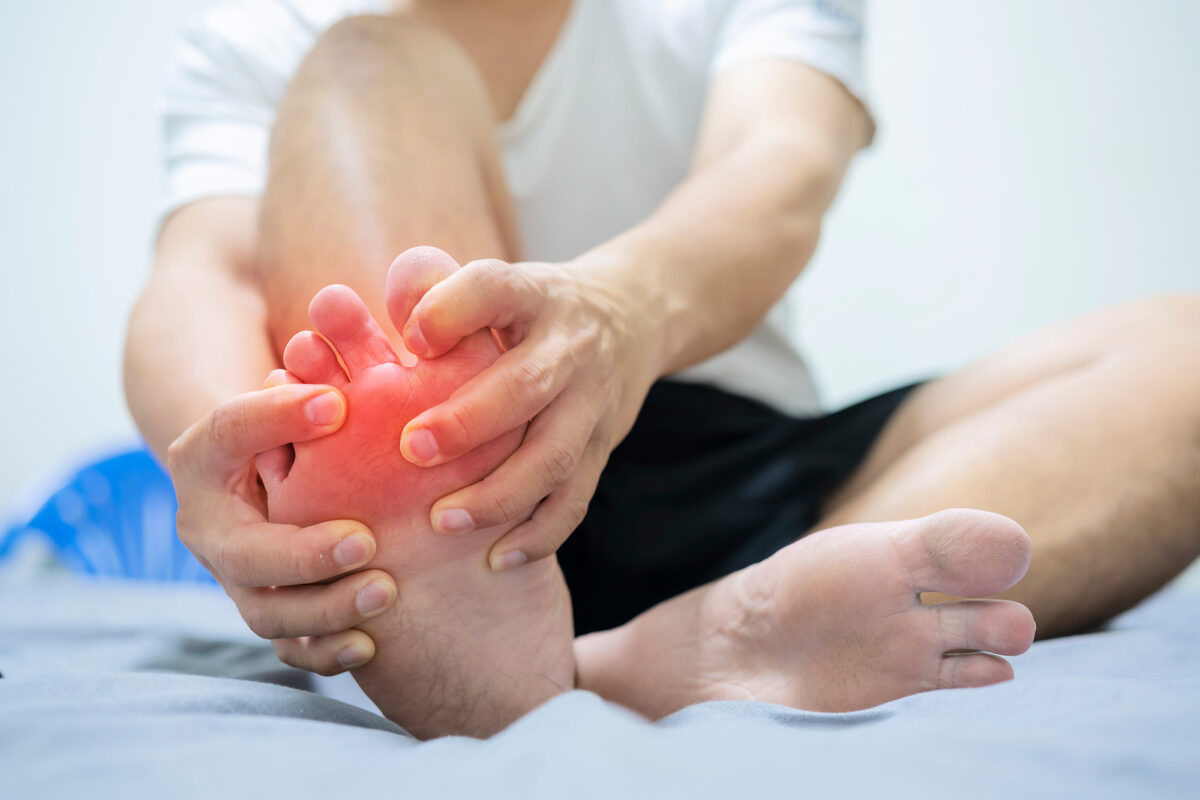
Foot pain causing a woman to sit on the floor and hold her foot.

All About Circulation: Veins, Foot Pain, and More

Foot pain can be caused by several issues, such as sprains, obesity, pregnancy, fractures, tendinitis, or nerve damage — which is why seeing a foot pain specialist should be a priority.

The heart pumps blood to the rest of the body. Keeping circulation flowing in our legs is made possible by valves in our vessels. Over time, those vessels stretch and those valves lose their efficiency. In turn, blood and waste products pool in our legs, causing different symptoms of foot pain.

Diabetes, varicose veins, peripheral arterial disease (PAD), and obesity can all cause poor circulation to one’s feet.

Circulatory conditions such as peripheral artery disease cause narrowing of blood vessels and arteries. Plaque buildup reduces or stops blood flow. Plaque is made up of cholesterol, calcium and fibrous tissue. Atherosclerosis, or hardening of the arteries, is caused by plaque that narrows and stiffens the arteries. Varicose veins, nerve damage, tissue damage, and numbness are all caused by reduced blood flow to one’s extremities.

A condition called “varicose veins,” or “venous insufficiency,” is when the venous system struggles to return blood from the legs to the heart and lungs. You’ll usually find these on the back of the legs, where they look gnarled and engorged. Because the damaged veins can’t move blood as efficiently, poor circulation can happen.

You can have diabetes and have poor circulation in certain parts of your body, including your feet. Especially during times of activity, diabetics often complain of cramps in their legs, calves, thighs, and buttocks. Sometimes diabetics don’t recognize the signs of poor circulation.

Being obese puts a lot of strain on your body. Standing or sitting for hours can be bad for your circulation, especially if you’re overweight.


Ultrasound: Your Non-Invasive Start to Ending Foot Pain

You should see a foot pain specialist so you can get a proper diagnosis and discuss your treatment options. We’re happy to help you find the right treatment for your foot pain at Wellness & Pain.

An ultrasound uses sound waves to create images of the inside of the body in 10 minutes. A painless test can diagnose most sources of discomfort. Sonographers use a small device to move a gel over the area of interest during a 10-minute ultrasound. Your body bounces sound waves off tissues and organs. A computer screen will then display the images created by the reflected sound waves.

Ultrasounds are safe and effective for diagnosing your unique situation. A foot pain specialist will use an ultrasound to figure out the cause of one’s pain.


Take Care of Your Feet at Wellness and Pain

You should see a foot pain specialist right away if you’re experiencing discomfort that’s affecting your life. At Wellness and Pain, a quick ultrasound will help diagnose your foot pain. That way we  can treat it accordingly. Chances are you will feel better and live a healthier and more active life once you know your options and receive treatment.

Now is the time to find a remedy for your intense foot pain.

Treatments for Foot Pain

NCV/EMG

NCV/EMG

...

Nerve Conduction Velocity

Nerve Conduction Velocity

...

Orthopedic Leg Pain

Orthopedic Leg Pain

Lower extremity orthopedics is a branch of orthopedics that focuses on the diagnosis and treatment o...

Read More

Trigger Point Injections

Trigger Point Injections

TPI are used to treat painful and tender areas of muscle. They are intramuscular and subcutaneous in...

Read More

Massage Therapy

Massage Therapy

Pain including Muscle Tension, Back and Shoulder pain, Repetitive stress injuries, Headaches, Neck p...

Read More

Acupuncture Therapy

Acupuncture Therapy

A traditional Chinese medicine technique that is used to stimulate energy flow and promote healing. ...

Read More

Chiropractic Services

Chiropractic Services

Flexion-distraction therapy is a specific gentle technique performed on a segmented table that moves...

Read More

IV Hydration

IV Hydration

...

Schedule Your Consultation Today


Radiating/Sciatica leg pain

Sciatica Leg Pain: The ‘Why,’ Symptoms, and Cure

A pinched sciatic nerve can wreak havoc on your life as it causes debilitating sciatica leg pain. From the lower back, the sciatic nerve travels down the backside of each leg, making it one of the longest nerves in your body. The cause of sciatica pain can range from herniated disks, to spinal stenosis, to piriformis syndrome.

Symptoms of sciatica amount to anything from low-level tingling and burning to excruciating pain that radiates from the lower spine down the backside of one of your legs. You may feel sharp pain or burning sensations. Additionally, that leg may suffer from numbness, weakness, or a pins-and-needles type of sensation.

Sciatica can cause a variety of symptoms depending on the individual. Also, depending on the severity of the pain, some victims may transition to standing or walking without any difficulty. In fact, standing usually helps because it stretches out your spinal disks, relieving pressure from your sciatic nerve.

If you have sciatica, you should consult a pain management specialist. An expert will assist in diagnosing and building you an appropriate treatment plan. In addition to physical therapy and medication, sciatica can also be treated with proper rest, core-muscle exercises, surgery, or a proactive non-invasive treatment.


Basics of Sciatica Leg Pain

Sciatica leg pain can be mild or severe, and symptoms can come and go — or stay constant. Sitting, standing, or walking may make the pain worse depending on the individual. Additionally, coughing, sneezing, and straining may worsen things.

There’s a good chance sciatica — and the pain it induces — will improve over time. However, many factors can contribute to long-term, chronic pain. There are several reasons for sciatica, including a possible severe underlying condition. But it’s more likely you have a herniated disk.

Lifestyle and age play a significant role as well. People who are older are more likely to suffer from long-term sciatica. In fact, it’s more likely to occur in overweight or sedentary people.

You can also tell a lot about your response to treatment. Some people can successfully treat sciatica, and the condition can resolve quickly. However, there may be different treatments that need to be tried before relief is found for others.

A chronic condition like sciatica can last for a few months, several months, or even years in some cases. You should see a pain management specialist if you are experiencing sciatica that is not improving.

The Sciatic Nerve and Sciatica Leg Pain

In your body, the sciatic nerve is the longest and largest nerve. Both legs have this muscle running down the backside, making sciatica leg pain one of the most age-prone pain management issues for young, middle-age, and older adults.

In addition to a sharp sensation to the sole of your foot and outer and back portions of your lower leg, sciatica also impacts the back of your thigh. Your lower leg and knee muscles are usually affected as well.

Two main functions are performed by the sciatic nerve. You can move your legs and feet with its complex motor function, and you can feel sensations within your legs with its sensory function. These are amazing tools within the lower extremities of your body.

The sciatic nerve controls a wide range of movements, including bending your knee, extending your knee, rotating your thigh, pointing your foot, and flexing your toes.


Managing Sciatica Leg Pain and Living Healthier

To manage sciatica leg pain, here’s some advice:

  • You may be prescribed medication to help relieve your pain by a doctor.
  • A physical therapist can help you improve your range of motion and strength, as well as manage your pain.
  • Ensure that you stretch your back and legs.
  • Boost your back and leg muscles by strengthening them.
  • Avoid activities that aggravate your pain by resting.
  • Several times a day, apply ice to the affected area for 20 minutes at a time.
  • Heat the affected area for 20 minutes at a time, several times a day.
  • Sciatica may require surgery in rare instances.

Here are some tips you can follow to help protect and reduce the risk of injury to your sciatic nerve:

  • Take a few minutes to stretch your hamstrings. Regularly stretching your hamstrings can relieve pressure on your sciatic nerve.
  • Posture is important. Good posture can reduce sciatic nerve strain.
  • You should avoid sitting for long periods of time. Regularly getting up and moving around every 20 – 30 minutes can relieve pressure on the sciatic nerve, which can be caused by sitting for long periods of time.
  • Make sure you are wearing comfortable shoes. It’s important to wear cozy, enjoyable shoes to prevent pressure on your sciatic nerve.
  • Make sure you maintain a healthy weight. Maintaining the right weight is important to preventing increased pressure on the sciatic nerve.
  • Maintain an active lifestyle. It’s possible to reduce the risk of injury to the sciatic nerve by strengthening the muscles that support it.


Wellness and Pain Can Help

A range of options are available at Wellness and Pain to treat your sciatica leg pain. We offer conservative treatments, routine visits, and minimally invasive quick-recovery procedures. We can keep you free of problems by providing lifestyle education and home care advice to help you avoid and manage issues, quickly relieving the conditions inhibiting your life by using cutting-edge sciatica techniques.

At Wellness and Pain, we personalize patient care plans based on each patient’s condition and unique circumstances to relieve pain, improve mobility and mental space, and improve your overall health.

Pain

Sciatica Leg Pain: The ‘Why,’ Symptoms, and Cure

A pinched sciatic nerve can wreak havoc on your life as it causes debilitating sciatica leg pain. From the lower back, the sciatic nerve travels down the backside of each leg, making it one of the longest nerves in your body. The cause of sciatica pain can range from herniated disks, to spinal stenosis, to piriformis syndrome.

Symptoms of sciatica amount to anything from low-level tingling and burning to excruciating pain that radiates from the lower spine down the backside of one of your legs. You may feel sharp pain or burning sensations. Additionally, that leg may suffer from numbness, weakness, or a pins-and-needles type of sensation.

Sciatica can cause a variety of symptoms depending on the individual. Also, depending on the severity of the pain, some victims may transition to standing or walking without any difficulty. In fact, standing usually helps because it stretches out your spinal disks, relieving pressure from your sciatic nerve.

If you have sciatica, you should consult a pain management specialist. An expert will assist in diagnosing and building you an appropriate treatment plan. In addition to physical therapy and medication, sciatica can also be treated with proper rest, core-muscle exercises, surgery, or a proactive non-invasive treatment.


Basics of Sciatica Leg Pain

Sciatica leg pain can be mild or severe, and symptoms can come and go — or stay constant. Sitting, standing, or walking may make the pain worse depending on the individual. Additionally, coughing, sneezing, and straining may worsen things.

There’s a good chance sciatica — and the pain it induces — will improve over time. However, many factors can contribute to long-term, chronic pain. There are several reasons for sciatica, including a possible severe underlying condition. But it’s more likely you have a herniated disk.

Lifestyle and age play a significant role as well. People who are older are more likely to suffer from long-term sciatica. In fact, it’s more likely to occur in overweight or sedentary people.

You can also tell a lot about your response to treatment. Some people can successfully treat sciatica, and the condition can resolve quickly. However, there may be different treatments that need to be tried before relief is found for others.

A chronic condition like sciatica can last for a few months, several months, or even years in some cases. You should see a pain management specialist if you are experiencing sciatica that is not improving.

The Sciatic Nerve and Sciatica Leg Pain

In your body, the sciatic nerve is the longest and largest nerve. Both legs have this muscle running down the backside, making sciatica leg pain one of the most age-prone pain management issues for young, middle-age, and older adults.

In addition to a sharp sensation to the sole of your foot and outer and back portions of your lower leg, sciatica also impacts the back of your thigh. Your lower leg and knee muscles are usually affected as well.

Two main functions are performed by the sciatic nerve. You can move your legs and feet with its complex motor function, and you can feel sensations within your legs with its sensory function. These are amazing tools within the lower extremities of your body.

The sciatic nerve controls a wide range of movements, including bending your knee, extending your knee, rotating your thigh, pointing your foot, and flexing your toes.


Managing Sciatica Leg Pain and Living Healthier

To manage sciatica leg pain, here’s some advice:

  • You may be prescribed medication to help relieve your pain by a doctor.
  • A physical therapist can help you improve your range of motion and strength, as well as manage your pain.
  • Ensure that you stretch your back and legs.
  • Boost your back and leg muscles by strengthening them.
  • Avoid activities that aggravate your pain by resting.
  • Several times a day, apply ice to the affected area for 20 minutes at a time.
  • Heat the affected area for 20 minutes at a time, several times a day.
  • Sciatica may require surgery in rare instances.

Here are some tips you can follow to help protect and reduce the risk of injury to your sciatic nerve:

  • Take a few minutes to stretch your hamstrings. Regularly stretching your hamstrings can relieve pressure on your sciatic nerve.
  • Posture is important. Good posture can reduce sciatic nerve strain.
  • You should avoid sitting for long periods of time. Regularly getting up and moving around every 20 – 30 minutes can relieve pressure on the sciatic nerve, which can be caused by sitting for long periods of time.
  • Make sure you are wearing comfortable shoes. It’s important to wear cozy, enjoyable shoes to prevent pressure on your sciatic nerve.
  • Make sure you maintain a healthy weight. Maintaining the right weight is important to preventing increased pressure on the sciatic nerve.
  • Maintain an active lifestyle. It’s possible to reduce the risk of injury to the sciatic nerve by strengthening the muscles that support it.


Wellness and Pain Can Help

A range of options are available at Wellness and Pain to treat your sciatica leg pain. We offer conservative treatments, routine visits, and minimally invasive quick-recovery procedures. We can keep you free of problems by providing lifestyle education and home care advice to help you avoid and manage issues, quickly relieving the conditions inhibiting your life by using cutting-edge sciatica techniques.

At Wellness and Pain, we personalize patient care plans based on each patient’s condition and unique circumstances to relieve pain, improve mobility and mental space, and improve your overall health.

Treatments for Sciatica Pain

NCV/EMG

NCV/EMG

...

Nerve Conduction Velocity

Nerve Conduction Velocity

...

Orthopedic Leg Pain

Orthopedic Leg Pain

Lower extremity orthopedics is a branch of orthopedics that focuses on the diagnosis and treatment o...

Read More

Trigger Point Injections

Trigger Point Injections

TPI are used to treat painful and tender areas of muscle. They are intramuscular and subcutaneous in...

Read More

Massage Therapy

Massage Therapy

Pain including Muscle Tension, Back and Shoulder pain, Repetitive stress injuries, Headaches, Neck p...

Read More

Acupuncture Therapy

Acupuncture Therapy

A traditional Chinese medicine technique that is used to stimulate energy flow and promote healing. ...

Read More

Chiropractic Services

Chiropractic Services

Flexion-distraction therapy is a specific gentle technique performed on a segmented table that moves...

Read More

IV Hydration

IV Hydration

...

Schedule Your Consultation Today

Diabetes Leg Pain

Diabetes Leg Pain: Facts, Care, and Treatment

Diabetes can lead to nerve damage and slow wound healing due to high blood sugar levels, eventually causing diabetes leg pain and the need for diabetes leg pain treatment. As a result, the intense and chronic pain, tingling, ulceration, and other symptoms can impact your life.

Untreated diabetes — or the inability to manage blood sugar levels — can unfortunately lead to these lower-extremity health issues.


Diabetes Leg Pain: How, When, and Why

It’s common for diabetics to suffer from several complications, including diabetes leg pain — especially if their blood sugar levels do not remain under control. In fact, diabetic neuropathy is one of the most common complications of diabetes. High blood sugar (glucose) levels can damage nerves throughout the entire body.

In addition to pain and numbness in the legs, feet, and hands, diabetic neuropathy can cause other symptoms. The condition can also affect the digestive system, urinary tract, blood vessels, and the heart. Symptoms may be mild for some people, while other diabetics experience severe pain and disabilities as a result.

Approximately half of the people with diabetes suffer from diabetic neuropathy, making diabetes leg pain treatment all the more important so you can live a healthier life. Consistent blood sugar control and a healthy lifestyle can often prevent or slow down diabetic neuropathy.


The Two Main Types of Diabetes Leg Pain

There are two main types of diabetes leg pain, or diabetic neuropathy, and it is possible to experience more than one. The symptoms experienced by a person depend on the affected nerves and the type of infection present. In most cases, symptoms develop gradually. Nerve damage may not be apparent until considerable damage has occurred.

Peripheral neuropathy is when the feet and legs are affected first, followed by the hands and arms. Nighttime symptoms include numbness or reduced ability to feel pain and temperature changes, tingling or burning sensations, sharp pains or cramps, muscle weakness, extreme sensitivity to touch, and serious foot problems such as ulcers, infections or bone and joint damage.

Causes and Facts of Diabetes Leg Pain

Different factors cause the various types of diabetes leg pain. Uncontrolled high blood sugar damages nerves over time and interferes with the ability to send signals, leading to the development of diabetic neuropathy. High blood sugar levels weaken the capillaries that deliver oxygen and nutrients to the nerves.

Overall, diabetics are at a higher risk of developing neuropathy, and nerve damage is more likely to occur when these risk factors are present:

  • Tobacco use. As a result of smoking, arteries narrow and become hard, which reduces blood flow to the legs and feet. Wounds have a difficult time healing and peripheral nerves are damaged.
  • History of diabetes. This is when blood sugar is not controlled well over the long run.
  • Inability to control blood sugar levels. All diabetes complications, including nerve damage, are more likely to occur with uncontrolled blood sugar.
  • The risk of diabetic neuropathy increases with a higher body mass index (BMI).
  • A kidney disorder. Diabetic kidney disease can cause kidney damage over time. The resulting toxins in the bloodstream can damage nerves.

Diagnostic Treatment for Diabetes Leg Pain

Effectively managing diabetes leg pain requires a comprehensive diagnostic approach. Some of the diagnostic options include:

  • Ultrasound of the lower extremities: This non-invasive test assesses vascular issues such as blood clots or poor circulation, which can contribute to diabetes leg pain.

Venous Insufficiency and Treatment with Vein Ablation

Venous insufficiency is a condition where the veins in your legs do not allow blood to flow back to your heart properly, causing blood to pool in the veins. This can lead to pain, swelling, and even ulcers. One effective treatment for venous insufficiency is vein ablation.

  • Vein Ablation: This minimally invasive procedure uses heat to close off varicose veins. By sealing the damaged vein, blood is rerouted to healthier veins, improving circulation and reducing symptoms of venous insufficiency. Vein ablation is typically performed on an outpatient basis and can provide significant relief from leg pain and other symptoms.

Looking into Comprehensive Diabetes Leg Pain Treatment

If you are experiencing any of these causes or factors, seeking a comprehensive diabetes leg pain treatment should be your immediate priority. Proper diagnosis and a tailored treatment plan can help manage symptoms and improve your quality of life.

Diabetes Leg Pain Prevention

Carefully managing your blood sugar and taking good care of your feet can prevent or delay diabetes leg pain. You should perform blood sugar maintenance tests at least twice a year. The results of this test will show your average blood sugar levels over the past two to three months.

When you suffer from diabetic neuropathy, foot problems can include sores that don’t heal, ulcers, and even amputations in the worst of cases. By having a thorough foot examination at least once a year, you can prevent many of these problems from occurring.


Caring for Your Feet

Take good care of your feet at home, and have your health care provider check your feet each time you make a visit. Keep your feet healthy by following your health care provider’s recommendations as well. Diabetes leg pain treatment should be your last resort and only if needed, as you can protect your feet beforehand by following these steps:

  • Make sure your socks are clean and dry. Don’t buy socks with tight bands or thick seams that are not made of cotton or soft fibers.
  • Keep an eye on your feet every day. Make sure there are no blisters, cuts, bruises, cracked or peeling skin, redness or even swelling. For hard-to-see areas of your feet, use a mirror or ask a friend or family member for assistance.
  • Shoes that fit well should be cushioned. Protect your feet by wearing closed-toe shoes or slippers. Toes should be free to move inside your shoes. By purchasing properly fitted shoes, you can avoid problems such as corns and calluses.
A woman sitting, massaging her foot because of discomfort caused by diabetes leg pain.
  • Dry and clean your feet. Use lukewarm water and mild soap to wash your feet every day. Make sure you thoroughly dry your feet and the areas between your toes.
  • Be very careful when trimming your toenails. You should cut your toenails straight across. Make sure the edges are smooth by filing them gently. A podiatrist can assist you if you are unable to do this yourself.
  • You should moisturize your feet. Moisturizing prevents cracks. However, it’s not a good idea to apply lotion between your toes because it could stimulate fungal infections.

Wellness and Pain Can Help

A range of options are available at Wellness and Pain to treat your diabetes leg pain. Here, we offer conservative treatments, routine visits, and minimally invasive quick-recovery procedures. We can keep you free of problems by providing lifestyle education, home care advice, and the right diabetes leg pain treatment plan to help you avoid and manage issues, quickly relieving the conditions inhibiting your life by using cutting-edge techniques.

We personalize patient care plans based on each patient’s condition and unique circumstances to relieve pain, improve mobility and mental space, and improve your overall health.

Treatments for Diabetic Leg Pain

NCV/EMG

NCV/EMG

...

Nerve Conduction Velocity

Nerve Conduction Velocity

...

Orthopedic Leg Pain

Orthopedic Leg Pain

Lower extremity orthopedics is a branch of orthopedics that focuses on the diagnosis and treatment o...

Read More

Trigger Point Injections

Trigger Point Injections

TPI are used to treat painful and tender areas of muscle. They are intramuscular and subcutaneous in...

Read More

Massage Therapy

Massage Therapy

Pain including Muscle Tension, Back and Shoulder pain, Repetitive stress injuries, Headaches, Neck p...

Read More

Acupuncture Therapy

Acupuncture Therapy

A traditional Chinese medicine technique that is used to stimulate energy flow and promote healing. ...

Read More

Chiropractic Services

Chiropractic Services

Flexion-distraction therapy is a specific gentle technique performed on a segmented table that moves...

Read More

IV Hydration

IV Hydration

...

Schedule Your Consultation Today


Precise Digital Pain Mapping

About

Precise Digital Pain Mapping

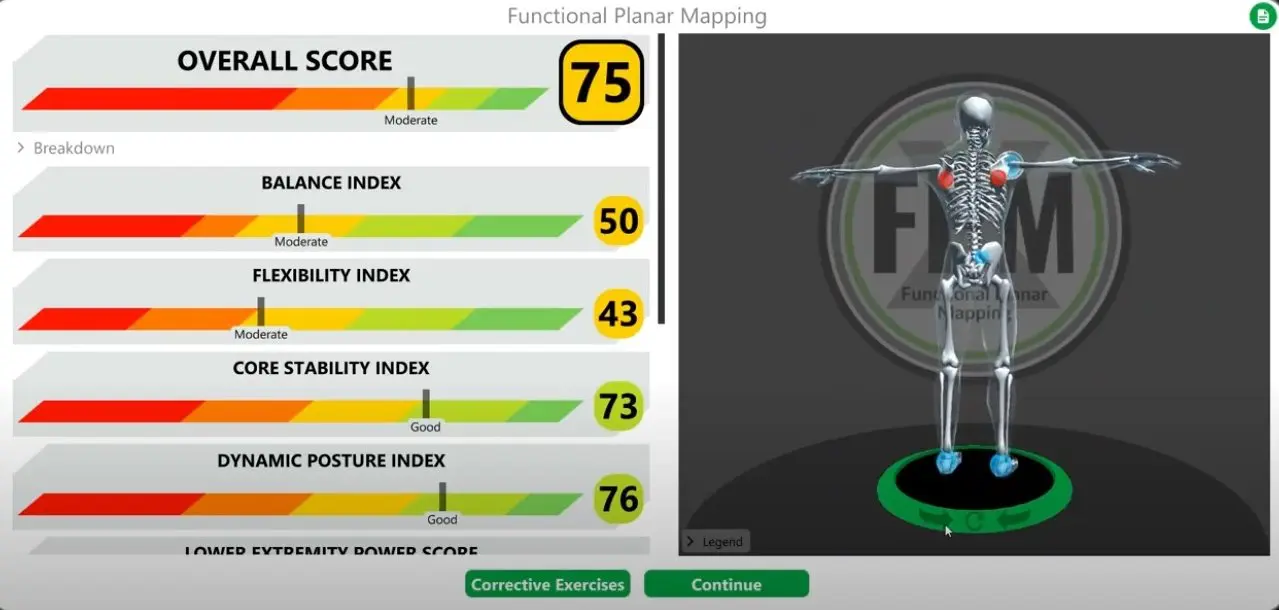
Wellness and Pain is excited to announce the use of a new cutting edge technology allowing us to offer: Precise Digital Pain Mapping. Using this technology powered by Kinetisense, our practitioners are able to give precise evaluation and analysis of where exactly their source of pain is coming from. Through quick, non-invasive measurements including range of motion, posture, and balance, this technology can not only guide us in the diagnosis modalities to further evaluate these areas but also allow us to offer individualized treatment options to patients. The Kinetisense software offers measurements that are far more precise than any practitioner could measure on their own.

In addition, we are able to predicts a patient’s risk of injury so that we can help alleviate the problem areas now before these points cause more damage. This proactive approach will help us in our mission of improving the quality of life of our patients and their day to day function. We are able to bring this mobile technology to workplaces, school systems, police departments and many other places of employment for ergonomic, posture, and risk of injury evaluations.

Orthopedic Leg Pain

Orthopedic Leg Pain: Understanding and Care

The phrase ‘lower extremity’ is a broad one, but its implications are specific. Orthopedic leg pain often affects the lower extremities, including the hip, knee, ankle, and foot. Injuries or degenerative conditions of the bones, joints, ligaments, or muscles are usually the cause.


Lower Extremity Pain: Symptoms to Look Out for

Aching, burning, stiffness, swelling, and tenderness are all common symptoms of orthopedic leg pain. Whether it’s local or widespread, one form of lower extremity pain or another can exist in either one leg or both. There may be mild to severe symptoms, which may worsen with movement. You may feel numbness, tingling, weakness, or even a burning feeling, along with pain.  There may be times when the pain gets worse at night or when pressure is applied.

Different treatments may be offered depending on the symptoms one may be experiencing. Medications, physical therapy, and rest are all options for orthopedic treatment.  Depending on the root issue, surgery may be needed.

You should seek medical attention if you’re experiencing leg pain that doesn’t go away or is joined by other symptoms. Getting to the root of the pain and finding the best treatment is possible with your physician’s help.


Blood Circulation and Orthopedic Leg Pain

Poor blood flow, which can cause a variety of symptoms in the legs, may be the source of orthopedic leg pain. Insufficient blood flow can cause swelling, cramping, and soreness.

Muscles and bones in your legs may suffer from lower extremity pain when veins aren’t able to transport blood and oxygen to those areas. Besides having poor blood flow, varicose veins can also cause pain.

There is even a possibility that it can cause a serious medical condition called “deep vein thrombosis,” which can cause pain, swelling, and even blood clots in the legs. Ensuring proper circulation of blood through the veins can relieve orthopedic leg pain.

Treatment for Orthopedic Leg Pain

The right treatment plan can reduce or even completely stop pain in the lower extremities. Rest, physical therapy, medications, or surgery can treat orthopedic leg pain, based on the core issue. Physical therapy and rest can reduce pain, improve range of motion, and maintain muscle strength. Non-steroidal anti-inflammatory drugs (NSAIDs) and muscle relaxants can treat some forms of inflammation and pain. However, finding the root issue is always the first step.

A doctor treating orthopedic leg pain in a patient's foot via physical therapy.

Physical therapy is often a good treatment for orthopedic leg pain. Exercises like stretching and strength training, along with hot and cold treatments, are all part of this. Physical therapy improves strength and flexibility in the legs. In addition to soothing pain and stiffness, massage therapy may also bring relief.

There are other options for treating pain, such as medication. Non-steroidal anti-inflammatory drugs (NSAIDs) can reduce pain and inflammation. Particular patients may require surgical treatment. These surgeries usually fix a torn ligament or tendon or remove bone spurs. In most cases, surgery is a last resort.

A good diet and changing one’s lifestyle can also reduce lower extremity orthopedic leg pain. It’s also important that you rest when you need it and avoid activities that tend to put a strain on your legs.

It’s possible to reduce or eliminate pain with physical therapy, medication, lifestyle changes, and maybe surgery. Again, consult your physician to learn the best treatment plan that may work for you personally.


Wellness and Pain Can Help

A range of orthopedic leg pain treatment options are available at Wellness and Pain to treat lower extremity conditions. Using a variety of methods, we offer conservative treatments, minimally invasive quick recovery procedures, and surgery. Our services include medical massage therapy, acupuncture, radiofrequency vein ablation, hip and knee injections, arthroscopy, platelet-rich plasma injections, anesthetic injections, and visco-supplementation injections.

We customize patient care plans based on their condition and unique circumstances. The goal of our treatment is to relieve pain, improve range of motion, and prevent further injuries. The severity of the condition may determine the combination of treatments.

Our patient care plans are personalized and developed with the patient’s input and in consideration of everyone’s individualized conditions and unique circumstances.  Our treatment goals are always to soothe pain, improve range of motion and prevent further injury.  Based on how bad the condition is, we may use a combination of treatments.

Trigger Point Injections

How Trigger Point Injections Provide Safe Pain Relief

Muscles that are usually treated with trigger point injections include those in your jaw, neck, hip, a deep muscle in your low back, the muscle that extends over your back, your shoulders, the front of your neck, and the sides of your head.

Trigger injections can be used to treat myofascial pain, muscle overuse, chronic musculoskeletal disorders, repetitive strain, and muscle contractions. A trigger point is a painful area of muscle that’s tender when touched or pressed on.

In spite of the fact they originate on that skin area, they can unfortunately cause pain elsewhere in the body. It’s also possible for trigger points to develop in almost any muscle.

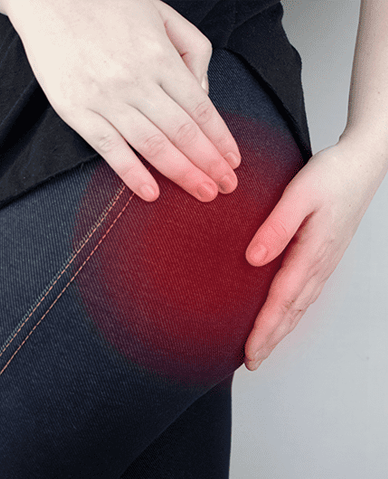
Oftentimes, trigger points are related to the piriformis muscle and cause piriformis syndrome in the buttocks. In this condition, the piriformis muscle compresses the sciatic nerve. Consequently, your buttocks and the back of your leg can feel painful or numb.


Trigger Point Injections: How the Process Works

A pain management professional or doctor can use trigger point injections to inject medications into a trigger point. These injections have the potential to treat a variety of conditions, such as neck pain, back pain, shoulder pain, arm pain, leg pain, myofascial pain syndrome, and even fibromyalgia.

Trigger injections do not require any preparation on your part. Before getting a procedure, it’s important to consult your provider about current medications, symptoms, and overall health.

Local anesthetics and anti-inflammatory injections are two types of medication that may be used. Local anesthetic numbs the area and anti-inflammatory injections reduce inflammation and pain, with injections lasting only a few minutes.

It’s likely you will experience some pain when your pain management specialist locates a trigger point manually before injecting medication. When the needle and medicine are inserted, you may experience a stinging or burning sensation. If the needle tip touches the trigger point, you may feel a brief increase in pain. Inserting the needle correctly causes discomfort, but it also serves as a sign that the needle has been appropriately inserted.

Sometimes, healthcare providers combine injections with physical therapy or massage therapy. This means the injections are more effective and can reduce pain for a longer period of time.

An injection may be right for you if over-the-counter pain medications, heat therapies, massages, myofascial releases, and physical therapy have not helped relieve your trigger point pain. Trigger injections relieve pain, reduce inflammation, improve range of motion, and improve muscle function.


Safe Administration of Trigger Point Injections

When over-the-counter pain medications and physical therapy won’t relieve pain, trigger point injections can provide relief. As well as improving muscle function, injections also increase range of motion.

Complications and side effects are rare, as trigger injections are very safe. There are rarely any bodily reactions. An injection may cause swelling beneath the skin, making a dent and causing minor pain or bleeding at the injection site for some patients. Any side effects should subside within a few days or less — if they even occur.

In some cases, trigger points can be resolved with just one injection. These injections loosen muscles and reduce inflammation, allowing for the treatment of many conditions such as minor trauma with just one treatment. As a result, the conditions should resolve within a couple of days or less.

Chronic conditions such as fibromyalgia or myofascial pain can cause trigger points to recur, requiring regular injections. Depending on your circumstances, you may need repeat injections over time, whether it’s for one issue or another. Your pain level and response to treatment will determine the number of injections you need.


Helpful Q&A on Trigger Point Injections

Below are some helpful questions and answers regarding trigger point injections.

  • What should you expect? After an injection, you can actively use the affected muscle. However, you should avoid strenuous exercise during the first few days.
  • How long do injections last? The discomfort typically subsides between 24 and 72 hours after the injection procedure, and the pain relief can last for up to one month after that. To achieve long-term relief, your pain management specialist may recommend additional injections if you are still experiencing pain after this period.
  • During this process, is there anything else that needs to be noted? Before recommending injections, a pain management specialist should conduct a thorough physical examination and exclude other causes of your pain. For many patients, the most common cause of pain happens to be structural back pain issues such as spinal stenosis, herniated disks, and degenerative arthritis of the spine. Muscle strains are also to blame at times.


Wellness and Pain Can Help

A range of options are available at Wellness and Pain to treat your pain with trigger injections. We offer conservative treatments, routine visits, and minimally invasive quick-recovery procedures. We can keep you free of problems by providing lifestyle education and home care advice to help you avoid and manage issues, quickly relieving the conditions inhibiting your life by using cutting-edge injection techniques.

At Wellness and Pain, we personalize patient care plans based on each patient’s condition and unique circumstances to relieve pain, improve mobility and mental space, and improve your overall health.

Conditions Related To Trigger point injections

Repetitive Straining

Repetitive Straining

...

Muscle overuse

Muscle overuse

...

Chronic musculoskeletal pain disorder

Chronic musculoskeletal pain disorder

Chronic musculoskeletal pain disorder encompasses persistent pain affecting muscles, ligaments, and ...

Read More

Muscle contractions

Muscle contractions

...

Myofascial pain

Myofascial pain

Myofascial pain syndrome involves trigger points—tight knots in muscles—that cause pain in seemi...

Read More

Shoulder/ joint pain

Shoulder/ joint pain

Shoulder and joint pain can result from various causes, including injury, overuse, or underlying con...

Read More

Herniated Discs

Herniated Discs

...

Bulging Discs

Bulging Discs

...

Pinched Nerves

Pinched Nerves

...

Chronic pain

Chronic pain

Chronic pain is persistent pain that lasts weeks to years, affecting quality of life. The clinic off...

Read More

Back Pain Specialists

Back Pain Specialists

Back pain specialists alike understand how common back pain and discomfort are. It’s important to ...

Read More

How Trigger Point Injections Provide Safe Pain Relief

Muscles that are usually treated with trigger point injections include those in your jaw, neck, hip, a deep muscle in your low back, the muscle that extends over your back, your shoulders, the front of your neck, and the sides of your head.

Trigger injections can be used to treat myofascial pain, muscle overuse, chronic musculoskeletal disorders, repetitive strain, and muscle contractions. A trigger point is a painful area of muscle that’s tender when touched or pressed on.

In spite of the fact they originate on that skin area, they can unfortunately cause pain elsewhere in the body. It’s also possible for trigger points to develop in almost any muscle.

Oftentimes, trigger points are related to the piriformis muscle and cause piriformis syndrome in the buttocks. In this condition, the piriformis muscle compresses the sciatic nerve. Consequently, your buttocks and the back of your leg can feel painful or numb.


Trigger Point Injections: How the Process Works

A pain management professional or doctor can use trigger point injections to inject medications into a trigger point. These injections have the potential to treat a variety of conditions, such as neck pain, back pain, shoulder pain, arm pain, leg pain, myofascial pain syndrome, and even fibromyalgia.

Trigger injections do not require any preparation on your part. Before getting a procedure, it’s important to consult your provider about current medications, symptoms, and overall health.

Local anesthetics and anti-inflammatory injections are two types of medication that may be used. Local anesthetic numbs the area and anti-inflammatory injections reduce inflammation and pain, with injections lasting only a few minutes.

It’s likely you will experience some pain when your pain management specialist locates a trigger point manually before injecting medication. When the needle and medicine are inserted, you may experience a stinging or burning sensation. If the needle tip touches the trigger point, you may feel a brief increase in pain. Inserting the needle correctly causes discomfort, but it also serves as a sign that the needle has been appropriately inserted.

Sometimes, healthcare providers combine injections with physical therapy or massage therapy. This means the injections are more effective and can reduce pain for a longer period of time.

An injection may be right for you if over-the-counter pain medications, heat therapies, massages, myofascial releases, and physical therapy have not helped relieve your trigger point pain. Trigger injections relieve pain, reduce inflammation, improve range of motion, and improve muscle function.


Safe Administration of Trigger Point Injections

When over-the-counter pain medications and physical therapy won’t relieve pain, trigger point injections can provide relief. As well as improving muscle function, injections also increase range of motion.

Complications and side effects are rare, as trigger injections are very safe. There are rarely any bodily reactions. An injection may cause swelling beneath the skin, making a dent and causing minor pain or bleeding at the injection site for some patients. Any side effects should subside within a few days or less — if they even occur.

In some cases, trigger points can be resolved with just one injection. These injections loosen muscles and reduce inflammation, allowing for the treatment of many conditions such as minor trauma with just one treatment. As a result, the conditions should resolve within a couple of days or less.

Chronic conditions such as fibromyalgia or myofascial pain can cause trigger points to recur, requiring regular injections. Depending on your circumstances, you may need repeat injections over time, whether it’s for one issue or another. Your pain level and response to treatment will determine the number of injections you need.


Helpful Q&A on Trigger Point Injections

Below are some helpful questions and answers regarding trigger point injections.

  • What should you expect? After an injection, you can actively use the affected muscle. However, you should avoid strenuous exercise during the first few days.
  • How long do injections last? The discomfort typically subsides between 24 and 72 hours after the injection procedure, and the pain relief can last for up to one month after that. To achieve long-term relief, your pain management specialist may recommend additional injections if you are still experiencing pain after this period.
  • During this process, is there anything else that needs to be noted? Before recommending injections, a pain management specialist should conduct a thorough physical examination and exclude other causes of your pain. For many patients, the most common cause of pain happens to be structural back pain issues such as spinal stenosis, herniated disks, and degenerative arthritis of the spine. Muscle strains are also to blame at times.


Wellness and Pain Can Help

A range of options are available at Wellness and Pain to treat your pain with trigger injections. We offer conservative treatments, routine visits, and minimally invasive quick-recovery procedures. We can keep you free of problems by providing lifestyle education and home care advice to help you avoid and manage issues, quickly relieving the conditions inhibiting your life by using cutting-edge injection techniques.

At Wellness and Pain, we personalize patient care plans based on each patient’s condition and unique circumstances to relieve pain, improve mobility and mental space, and improve your overall health.

Conditions Related To Trigger point injections

Repetitive Straining

Repetitive Straining

...

Muscle overuse

Muscle overuse

...

Chronic musculoskeletal pain disorder

Chronic musculoskeletal pain disorder

Chronic musculoskeletal pain disorder encompasses persistent pain affecting muscles, ligaments, and ...

Read More

Muscle contractions

Muscle contractions

...

Myofascial pain

Myofascial pain

Myofascial pain syndrome involves trigger points—tight knots in muscles—that cause pain in seemi...

Read More

Shoulder/ joint pain

Shoulder/ joint pain

Shoulder and joint pain can result from various causes, including injury, overuse, or underlying con...

Read More

Herniated Discs

Herniated Discs

...

Bulging Discs

Bulging Discs

...

Pinched Nerves

Pinched Nerves

...

Chronic pain

Chronic pain

Chronic pain is persistent pain that lasts weeks to years, affecting quality of life. The clinic off...

Read More

Back Pain Specialists

Back Pain Specialists

Back pain specialists alike understand how common back pain and discomfort are. It’s important to ...

Read More

Blood Circulation & Flow

Poor Blood Circulation: Causes, Facts, and Treatment

A narrowed or blocked artery is a very common condition, and it simply refers to poor blood circulation, which a blood circulation doctor specialist can quickly diagnose. A variety of symptoms can result from less blood flow to affected areas. A person can experience pain, numbness, or tingling in their feet and in their arms.

It’s common for people to feel fatigued, have heavy legs, or have an overall sense that something is wrong that they cannot fully explain. The ability to move freely and exercise effectively is often limited by unexplained aches and pains for people who are actively trying to improve their fitness. But why?

A blood circulation doctor specialist will tell you some of the valves in your veins aren’t working properly. A valve’s function is essential in preventing trapped blood in the legs and feet, as well as returning that blood to your heart.


Understanding the Basics

Your body’s blood circulation all comes down to your veins and your heart, which pumps blood throughout the body through its four chambers — two atria and two ventricles. During contractions and relaxations, your heart does the job it’s made to do.

Blood is pumped into your arteries when the heart contracts, carrying it to every part of your body, with the same blood cells returning to the heart through your veins. Your circulatory system does more than supply cells with oxygen and nutrients and remove waste products. It also controls body temperature and blood pressure.

A blood circulation doctor specialist can see why you’re having circulation issues by assessing your problems through modern-day testing and a thorough review of your specific symptoms.


Symptoms of Poor Blood Circulation

Different areas of your body may experience different symptoms from poor circulation. It can cause coldness and numbness in your hands and feet, swelling in your legs or arms, slow-healing sores on your body, changes in your skin color (paleness or blueness), muscle cramps, fatigue, or shortness of breath.

If you experience any of these symptoms, you should visit a blood circulation doctor specialist to get a proper diagnosis and the right treatment. You can improve your circulation by doing a number of things. In fact, most people with poor circulation live longer and healthier lives when they seek treatment. The catch? This is only the case when they seek it sooner rather than later.


Causes of Unhealthy Blood Flow

Your blood circulation health can be affected by a number of factors. It’s common for people to experience stiffer and narrower arteries as they age. This obstruction of the flow of blood through your arteries can cause high blood pressure and heart disease.

Moreover, women have a higher risk of high blood pressure than men. As a result of estrogen’s role in causing stress to cause the arteries to tighten, women are more likely to experience artery problems.

It goes without saying that diet and activity also play significant roles. They affect whether you may experience poor blood circulation. Saturated fat and cholesterol can build up in the arteries, narrowing them and making blood flow more difficult. The arteries are kept healthy by exercise, which keeps them flexible and open, so a sedentary lifestyle (severe lack of exercise) must be avoided. As a side note, obesity and excess weight put additional strain on the heart. This also leads to high blood pressure.

It’s also probably no surprise that smoking damages the arteries and makes it more difficult for blood to flow through those arteries. Diabetes can also damage nerves and blood vessels, which may make blood flow more difficult. These last two are very important, as any blood circulation doctor specialist will affirm.

Treatment for Keeping Blood Circulation Healthy

No one can cure poor blood circulation. However, you can manage it and prevent problems in a number of ways. If you are a smoker, quitting is the first step to keeping your blood pressure and cholesterol under control.

Managing your diabetes properly can also be very helpful. It is also a good idea to lose weight, if you are overweight or obese. Maintaining a healthy diet, exercising regularly, and taking medications as directed by your doctor are also important.

Nonetheless, the first step to finding relief is to have a venous mapping ultrasound performed by a trustworthy blood circulation doctor specialist. A vein mapping ultrasound has no side effects, and there is no pain or radiation.

This quick, non-invasive procedure can determine if you have dilated or stretched-out veins in your legs. These veins may cause pain, poor blood circulation, and other symptoms. It helps identify medical conditions and guide treatment. It creates a “map” of the blood vessels in your body.

Ultrasounds send sound waves through your blood vessels. Then they convert them into images. These images show whether your veins are dilated or stretched. It measures the width of the veins and reflux, which is the flow of blood in the wrong direction.


Wellness and Pain Can Help

You are not alone. Poor blood circulation takes a toll on daily living. Discovering the cause doesn’t have to cause you trouble anymore. Chronic pain sufferers tend to see multiple doctors to figure out what’s causing their pain.

Blood circulation treatment options are available at Wellness and Pain. Our team of doctors and specialists offers minimally invasive, quick-recovery options and surgery. We can help keep you free of blood circulation problems by providing lifestyle education and home care advice to help you avoid and manage problems, quickly relieving the pain.

We personalize patient care plans based on each patient’s condition and unique circumstances. Together, we can increase mobility, prevent further injuries, and improve your overall health.

Vein Ablation

Vessel Ablation for Inadequate Circulation

Vessel ablation treats weak blood circulation, venous disorders, and varicose veins. It and vein ablation are minimally invasive procedures. In fact, a variety of vein conditions can be treated with this type of ablation, and it generally provides long-lasting relief.

The most common reason for vein ablation is to improve venous insufficiency. Venous insufficiency is when someone has a poor supply of blood going into and coming out of their legs. In addition to swelling and pain, this can also have other negative effects.


Vessel Ablation: Venous Insufficiency Symptoms

There are a variety of symptoms associated with venous insufficiency problems that a vessel ablation can treat. They include the swelling of the ankles, feet and legs, pain or aching in the legs, tingling or numbness in the legs, heaviness or fatigue in the legs, varicose veins, skin changes, including redness, dryness, and eczema, and ulcers.

Swelling and pain are often strong signs of venous insufficiency. Blood builds up in the veins, causing swelling. The pressure that builds up in the veins damages the veins and surrounding tissue, resulting in pain. After prolonged standing or sitting, swelling and pain can become worse. Additionally, you may experience more discomfort during pregnancy or if you are overweight or obese.

When blood builds up in the veins, it puts pressure on the nerves, causing tingling or numbness. In some cases, the pressure can cause nerve damage, leading to the sending of abnormal signals to the brain. A tingling sensation, numbness, or other symptoms may result, especially when you are standing or sitting for long periods.

Blood pooling in the legs may cause fatigue or heaviness, placing pressure on muscles and nerves. As a result of the pressure, the legs may feel cumbersome, exhausted, and weary. Once again, long periods of standing or sitting will usually make things worse.

Many patients find that having a vein ablation procedure was the right choice to alleviate their pain and issues. Some patients may want to reduce their risk of varicose vein complications. There are several complications associated with varicose veins, including blood clots, painful ulcers, and an increased risk of deep vein thrombosis (DVT). Varicose veins are enlarged twisted veins that can be painful and unsightly.


Inadequate Circulation: Contributing Vessel Ablation and Vein Ablation Factors

Your legs may swell and cause life-altering pain and other horrible symptoms, which means you should make an appointment with a health professional who can discuss vessel ablation procedure options.

Venous valves allow blood to flow back up to your heart normally. A damaged valve, however, can cause blood to flow backward, causing the fluid to pool in the legs. High pressure in the veins can damage veins and surrounding tissue.

Several factors contribute to venous insufficiency, including varicose veins, deep vein thrombosis (DVT), pregnancy, obesity, prolonged standing, age, and having a family history of the same.

An illustration of the difference between healthy and swollen veins that could be treated through vessel ablation or vein ablation.

Eventually, the valves in your veins weaken, causing varicose veins. These valves enable the maintenance of blood flow in the right direction. Veins swell when blood flows backward through weak valves.

An underlying cause of deep vein thrombosis is a blood clot forming in one of the deep veins of your legs — just one reason to look into vein ablation sooner rather than later. Depending on how far the clot travels, it can be a serious condition. Those who are inactive are more likely to suffer from DVT. In addition, people with medical conditions, such as obesity or heart disease, are more likely to suffer from this condition.

Pregnancy, obesity, and having to stand for long periods of time are all conditions lasting either temporarily or longer, due to an individual’s circumstances in life.

Vessel Ablation and Vein Ablation Treatments and More

Using heat or laser energy, vessel ablation seals or closes veins in a minimally invasive procedure. This procedure can treat various conditions, including varicose veins, spider veins, and venous insufficiency.

Radiofrequency ablation (RFA) and laser ablation are the two main types of vein ablation. This procedure uses radiofrequency ablation (RFA) to destroy veins using a small probe. The radiofrequency energy made by the probe heats the vein and collapses it. As such, a small laser heats up and collapses the vein through laser ablation.

A doctor performing a vessel ablation on a patient's leg.

In most cases, vessel ablation is performed as an outpatient procedure. The procedure typically utilizes local anesthesia, although it may also use general anesthesia. Bruising, swelling, and pain may occur after the procedure. It usually takes a few days for these symptoms to go away on their own.

Vessel ablation is the usual active treatment for varicose and spider veins, offering a safe and effective procedure to address venous insufficiency. Those who are not good candidates for surgery or who wish to avoid surgery may find it to be a good option, since minimally invasive procedures are less risky than surgery.

Furthermore, it is a quick process, and you are able to go home the same day. Most people are able to resume their normal activities within a few days of the surgery. Usually, the results last for a long time.


Wellness and Pain Can Help

Approximately 150,000 cases of vessel insufficiency are diagnosed each year. Chronic vessel insufficiency is often underdiagnosed and undertreated. Early diagnosis is key.

A range of vessel ablation treatment options are available at Wellness and Pain. We offer conservative treatments, minimally invasive quick-recovery procedures, and surgery. Our goal is to free you of vessel insufficiency and other vessel problems by providing lifestyle education and home care advice to help you avoid and manage problems and quickly relieve any vessel conditions using state-of-the-art treatments, including vein ablation.

We personalize patient care plans based on each patient’s condition and unique circumstances to relieve the pain, improve mobility, prevent further injuries, and improve your health.

Conditions Related To Vein Ablation

Leg Hair Loss

Leg Hair Loss

Hair loss on legs male can be a concerning issue for many men, particularly when it occurs below the...

Read More

Venous stasis disease

Venous stasis disease

Venous stasis disease occurs when blood pools in the lower extremities due to weakened vein valves, ...

Read More

Venous Ulcers

Venous Ulcers

Venous ulcers are open sores resulting from chronic venous insufficiency, often appearing on the leg...

Read More

Leg heaviness

Leg heaviness

...

Muscle cramps

Muscle cramps

...

Diabetic Neuropathy

Diabetic Neuropathy

Diabetic neuropathy is nerve damage caused by prolonged high blood sugar levels, leading to pain, nu...

Read More

Chronic venous insufficiency

Chronic venous insufficiency

Chronic venous insufficiency (CVI) is a condition where veins struggle to return blood to the heart,...

Read More

Hip Pain

Hip Pain

Whether we are walking up and down the stairs or long distances, running on the treadmill, or chasin...

Read More

Knee Pain

Knee Pain

Knee pain is a common complaint among adults and most often related to the general wear and tear fro...

Read More

Leg Pain

Leg Pain

Have you ever experienced sharp, shooting pain in your legs while walking? Standing too long? Or sim...

Read More

Back Pain Specialists

Back Pain Specialists

Back pain specialists alike understand how common back pain and discomfort are. It’s important to ...

Read More

Radiating/Sciatica leg pain

Radiating/Sciatica leg pain

Symptoms of sciatic pain include burning pain from your lower back into your buttocks and can radiat...

Read More

Leg Numbness

Leg Numbness

Numbness and tingling of the legs and feet can be caused by many neurologic and vascular conditions....

Read More

Swollen Leg Treatment

Swollen Leg Treatment

Swollen leg treatment is possible, and it’s easier than you may think. First and foremost, the hum...

Read More

Restless Legs Syndrome (RLS)

Restless Legs Syndrome (RLS)

For most, restless legs syndrome (RLS) signals other issues. Often, people think you have to see vei...

Read More

Leg Cramps & Charley Horses

Leg Cramps & Charley Horses

If you’ve ever experienced leg cramps of any degree, you know just how painful and debilitating th...

Read More

Varicose & Spider Veins

Varicose & Spider Veins

Red, threadlike lines on your face, legs, or feet may be spider veins, which are like varicose veins...

Read More

We Accept Most Insurances

Wellness and Pain accepts most major insurance plans. Here is a list of some of the major insurance plans we accept. If you do not see your insurance plan listed, please call our office to confirm.

Call Us Appointment Locations
Hi, How Can We Help You?