
A man treating swollen feet by sitting on his bed and massaging his feet and toes.

Treating Swollen Feet: Underlying Issues

A variety of issues can cause swelling in your lower extremities on occasion, forcing you to look for a solution for treating swollen feet. If it’s hot outside, you may have even experienced swollen feet and ankles after a long day of walking or standing.

However, being on your feet for too long may not be the only cause of feet swelling, ankle swelling, or leg swelling — called “edema.” Ankle swelling after sitting all day is also a possibility for many patients, in this camp.


Treating Swollen Feet from Venous Insufficiency

Blood builds up in your legs when your veins aren’t functioning properly, causing venous insufficiency and making many victims search high and low for answers to treating swollen feet. Gravity exerts the entire weight of the blood volume in our bodies on the veins in our legs, as humans stand on two feet.

As a result of our veins’ valves, the force of gravity is counteracted in our veins in order to maintain a low blood pressure and allow blood to return to our hearts. We can develop incompetent vein valves over time, allowing blood to flow backwards when they are no longer working properly — imposing painful ankle swelling at the end of the day.

There are a variety of symptoms associated with venous insufficiency, including swelling, varicose veins, leg pain or cramping, red, weepy, hard skin (called “lipodermatosclerosis”), or slow-healing wounds or ulcers.

It may be necessary to modify your lifestyle, such as losing weight and moving around a lot to keep your blood flowing. The use of compression therapy – including socks, stockings, athletic sleeves, wraps, or complex pneumatic machines – can also be helpful. In all cases, the key is that they apply pressure in a graduated manner so that ankle pressure is greater than knee pressure. There are also surgical treatments available.


Some Common Conditions

Common conditions such as varicose veins can lead to chronic venous insufficiency. Another possibility is when something damages the valves inside the veins, such as deep vein thrombosis. With time, the veins become weaker, making it harder for the heart to pump blood. There is a possibility that tiny valves in the veins will fail. The resulting blood pooling causes pain, swelling, and other circulation problems in the lower extremities.

Varicose veins do not always lead to chronic venous insufficiency. Women, people with high blood pressure, people with a family history of chronic venous insufficiency, people who have deep vein thrombosis in their legs, and people who spend a lot of time standing or sitting tend to suffer from this condition. If your ankles swelling after standing all day feels real and looks real, it probably is real — and the pain you’re suffering from can testify to this unfortunate fact.


Don’t Rule out Blood Clots and DVT

Having a blood clot in your veins can prevent your blood from flowing normally, also causing you to look into treating swollen feet. Deep vein thrombosis occurs when a blood clot forms deep inside the veins in the legs.

Additionally to swelling, deep vein thrombosis (DVT) causes pain and tenderness over the vein, as well as redness of the skin. As a result of DVT, blood cannot drain efficiently from the leg, and pressure builds up in the veins, forcing fluid into the surrounding tissue. By plastering the valves open, DVTs can cause long-term issues with blood flow, even after the initial clot dissolves, besides obstructing blood flow.

An embolism can become life-threatening if a DVT breaks loose and travels to the lungs. Medications can break up clots before they cause further damage, so see your doctor as soon as possible if swelling with redness or pain happens. The painful phenomenon of your ankle swelling after sitting all day can occur repeatedly because of blood clots or DVT.


Lifestyle Factors and Treating Swollen Feet

In addition to medical conditions, leg swelling can sometimes be prevented by treating swollen feet with lifestyle modifications. A salt-free diet, for example, can reduce the risk of fluid retention.

Keeping your blood flowing can also be achieved by reducing the amount of time you sit. Sedentary behavior should be avoided at all costs. Remember to move frequently during long plane or car rides, as well as during your workday.


Other Possibilities to Get Checked

Symptoms of chronic liver disease include fluid accumulation in the legs and abdomen, yellowed skin (jaundice), redness on the palms of the hands, and pale stool. In all of these, you’ll typically want to look into treating swollen feet. Additional diagnoses and help.

In a similar fashion, kidney disease can be accompanied by swelling in the lower extremities, fatigue, frequent urination, and difficulty concentrating. Talk to your doctor if you’re experiencing these symptoms.

Your legs, ankles or feet may also experience a backup of blood. In addition to chest pain, shortness of breath, coughing or wheezing, fatigue or a fast heartbeat, heart disease can also lead to other symptoms. If you experience any of these, contact your physician. Seek emergency medical attention if symptoms are severe. The condition of ankles swelling after standing all day affects all sorts of individuals. It can be caused by a variety of issues.

However, during pregnancy, most women experience ankle and foot swelling. Blood flows to the heart from the abdomen, which is the final destination of the blood before it reaches the uterus, when another human is in the uterus. As a result of this compression, the vascular system can become swollen, since hormonal changes during pregnancy affect the vascular system.

When blood pressure is dangerously high during pregnancy, preeclampsia can cause excessive swelling. Also, contact your doctor if you experience severe headaches, blurred vision, abdominal pain, or incontinence.


Vessel Ablation for Treating Swollen Feet

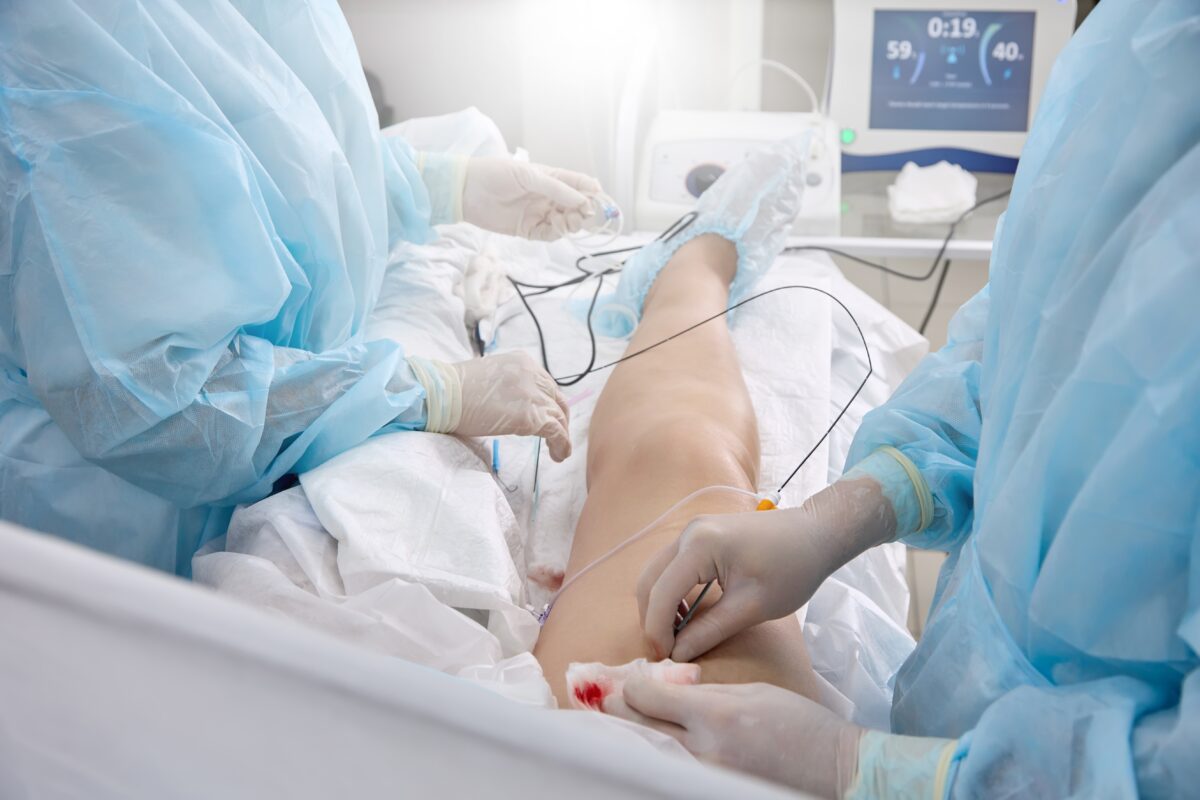
For a broad portion of the patient population who want to properly fix their painful situation, treating swollen feet comes down to vessel ablation. Vessel ablation is a minimally invasive procedure that seals or closes veins using heat or laser energy. This procedure can treated varicose veins, spider veins, and venous insufficiency.

The two main types of vein ablation are radiofrequency ablation (RFA) and laser ablation. Doctors use a small probe to destroy unhealthy veins using radiofrequency ablation (RFA). In the presence of radiofrequency energy, the probe heats up the vein and collapses it. A laser beam heats up and collapses the vein with laser ablation.

Patients receive the majority of vessel ablation procedures on an outpatient basis. Doctors typically perform the procedure simply under local anesthesia, but they may also use general anesthesia. It is possible for the patient to experience pain, bruising, and swelling after the procedure. The symptoms usually disappear on their own within a few days. They are nothing compared to the pain endured with ankle swelling after sitting all day.

Vessel ablation helps treat varicose and spider veins. In turn, this helps to treat venous insufficiency. Minimally invasive procedures are less risky than surgery. They may be a good option for those who are not good surgical candidates or who wish to avoid surgery.

Furthermore, it’s an easy procedure that can be completed on the same day. This means you can go straight home and relax. A few days after surgery, most people can resume normal activities. Results usually last for a long time.


Get the Right Treatment You Need

Treating swollen feet should be a priority if you are experiencing any of the issues above. However, there are proactive changes you can make as well. The pain may persist until you see a doctor, because swelling (also called “edema”) is a sign of deeper underlying problems, like heart failure, deep vein thrombosis, kidney disease, or liver cirrhosis.

Identifying the cause of ankle swelling, as well as in your feet, is extremely important. Over the long run, swollen feet can even lead to heart failure. Healthy lifestyle adjustments include:

  • Maintaining or increasing physical activity levels. It is important to seek the advice of a physician if you want to create and adhere to a healthy exercise routine. Excess body weight and high blood pressure may also be addressed by exercising, as well as the heart.
  • Stress should be managed where possible. Meditation, therapy, and journaling are some methods for managing stress. Emotional crises can worsen heart failure symptoms for people with the disease.
  • Dietary salt reduction. Processed foods, such as potato chips and prepared meals, contain high amounts of sodium. It is important not to eliminate all sodium from the diet, since the body needs some sodium to function. The recommended sodium intake per day is less than 2,300 milligrams.
  • Don’t drink or smoke. People who smoke, or want to quit, should limit or avoid alcohol consumption.


Wellness and Pain Can Help

A range of options for treating swollen feet are available at Wellness and Pain. We offer conservative treatments, routine visits, and minimally invasive quick-recovery procedures. We can keep you free of problems by providing lifestyle education and care advice to help you avoid and manage issues. This is to quickly relieving the inhibiting lifestyle conditions when complications arise.

We personalize patient care plans based on each patient’s condition and unique circumstances. We can relieve pain, improve mobility and mental space, and improve your overall health.

As mentioned earlier, we have some easy procedures you can try today!

A close-up of someone holding their bruised knee that may require swollen knee treatment.

Swollen Knee Treatment for Tired and Heavy Legs

Many factors can lead to painful fluid building up in your knee joint, leading several patients to seek swollen knee treatment. Trauma — such as a sports injury — or health conditions such as arthritis or extreme leg swelling are the most common reasons.

When your knees or legs feel heavy, rest and over-the-counter medications can be used to treat most cases at home. But in many cases, a well-thought-out and planned treatment of swelling legs and knees by a pain management specialist is the smart course of action.


Swollen Knee Treatment: What’s the Swelling All About?

When your knees swell, there’s a buildup of fluid in or around your joints, which usually leads those suffering to get swollen knee treatment. Runner’s knee, osteoarthritis, rheumatoid arthritis, post-traumatic arthritis, bursitis, gout, growing pains, and heaviness in legs are usually the causes.

Located between your thigh bone and shinbone, your kneecap joint is the largest joint in the body. There is also cartilage, muscle, ligaments, and nerves in your knees.

If your legs feel heavy as well, just know that both knee and leg swelling can be caused by anything that damages or irritates your knee. Knee swelling can occur if you’ve injured your knee or have a health condition that damages the tissue around it. All in all, swollen knees cause pain, stiffness, redness, or a feeling of warmth or heat.

With rest and over-the-counter medicine, you can treat most causes of knee swelling at home, but a sports injury or trauma should be treated by a health care provider or pain management specialist. Whenever your knee is in severe pain or if you can’t move it, see an expert immediately.


Swollen Knee Treatment Options and Therapy

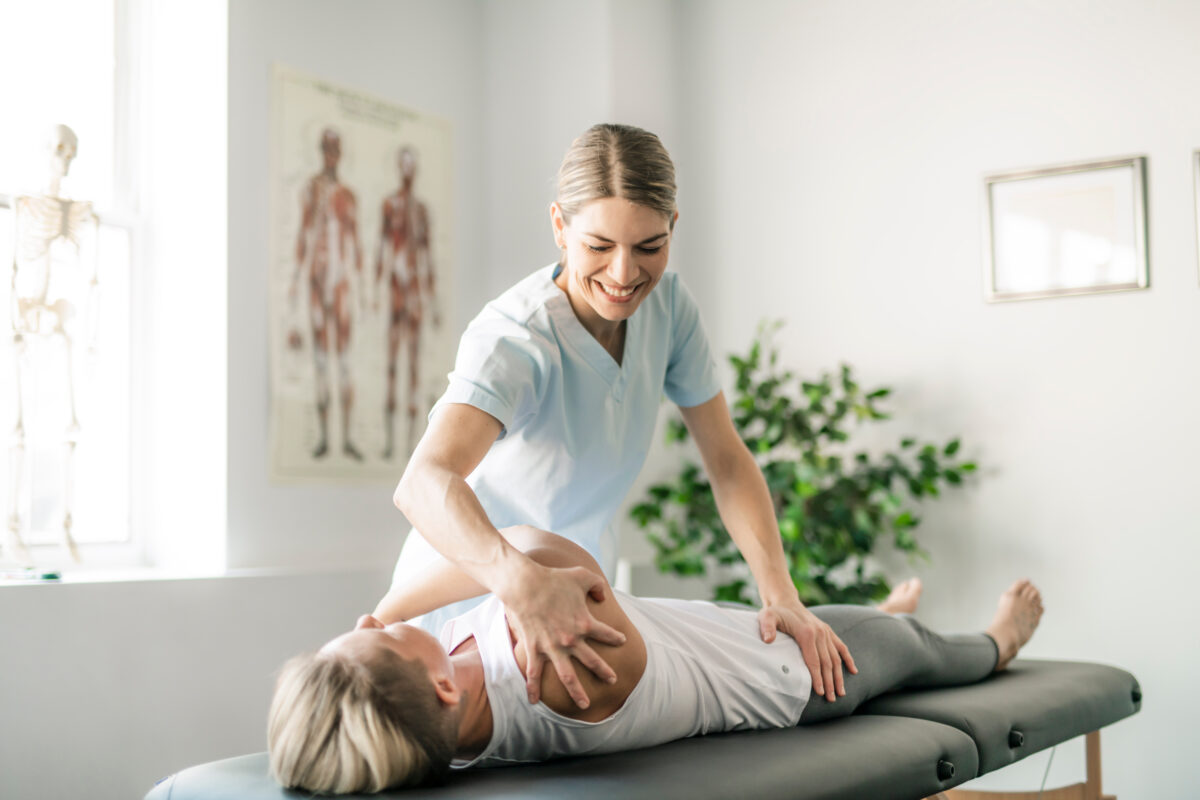
Swollen knee treatment options — such as massage therapy, movement training, and physical therapy — can also improve mobility, ease pain, and prevent further damage. You may be able to get relief from sharp knee pain or even cure it.

Physical therapy can strengthen and increase flexibility of the muscles around your knee, which will improve its function. Mobility and function can also be improved by routine exercises. Just make sure to avoid overstraining the knees when exercising them.

In cases of severe knee pain or if your legs feel heavy, consult a knee acupuncture specialist when other treatments fail to relieve your issues. Ongoing chronic or acute pain episodes can develop when pain lasts for more than a few months. The length of time chronic pain lasts is usually much longer than you’d expect.

If either of these situations apply to you, seek the help of a pain management specialist for diagnosis and treatment. In developing a customized plan for a healthier and happier you, no matter who you consult, your exact condition and circumstance should always be taken into account.


A Different Kind of Treatment

Nonetheless, don’t discount knee pain acupuncture for treatment of swelling legs and your knee — altogether. It can reduce knee pain, improve function, increase range of motion, decrease inflammation, improve sleep, and enhance your overall well-being. There are energy channels throughout the body known as “meridians” that connect. A needle insertion triggers the release of endorphins, which relieve pain in a natural way. Acupuncture can improve your life, mobility, and health. As a complementary therapy to physical therapy and exercise, acupuncture has been shown to be highly effective in treating pain and extreme leg swelling.

Typically, a series of 30- to 40-minute treatments are required. The needle’s insertion is usually painless. A mild pricking sensation may be experienced by some patients. Symptoms such as tiredness or soreness often subside within hours after treatment. With this established method, pain can be effectively and safely treated. To treat knee pain with acupuncture, you must consult a qualified acupuncturist. A proper consultation should be conducted before you begin treatment.


Common Causes of Swelling: Swollen Knee Treatment

Knee swelling is classified as “traumatic” or “non-traumatic” by health care providers, pain management specialists, and those offering swollen knee treatment. An injury usually causes traumatic knee swelling.

ACL tears (Anterior Cruciate Ligament), MCL tears (Medial Collateral Ligament), meniscus tears, hyperextended knees, sprains, bone fractures, dislocations, and Patellofemoral Pain Syndrome (PFPS) are the most common causes of knee swelling. The very latter occurs when nerves and bone are invaded by pain within soft tissues surrounding the kneecap.

Knee swelling caused by arthritis is usually non-traumatic. Swelling can be caused by degenerative arthritis (Osteoarthritis) and inflammatory arthritis (such as Rheumatoid Arthritis and Psoriatic Arthritis). Non-traumatic knee swelling can also be caused by autoimmune disorders, infections, bursitis, and tendinitis.

Be sure to rule out water-on-the-knee if you’re experiencing pain. Inflammation of the knee, commonly known as knee effusion or water-on-the-knee, can result from a variety of factors, such as a traumatic injury or a chronic disease like Rheumatoid Arthritis. It’s important to seek medical advice if you experience new, sudden or worsening swelling in your knee. These may result in complications. You should seek medical attention if you have a fever, are unable to put weight on your knee, or cannot feel a pulse below the knee.


Another Reason to Seek Medical Attention

If your legs feel heavy, the cause of your swollen knees might be chronic venous insufficiency. This is evident by extreme leg swelling. These conditions may require treatment for swollen legs, in addition to your knees. When blood is pumped through your body, it flows back to your heart through your veins, and it is pumped upward against gravity. Blood does not flow backward through your veins since your veins and circulation are protected by valves on the inside. The vascular valves in your legs provide a very important function as they circulate blood back to your heart.

When vessels stretch, those valves cannot function as efficiently. The accumulation of blood and waste products in your legs can make them heavy, tired, and swollen. Vein valves may not function properly if they’ve lost elasticity over time, leading many patients to look into treatment of swelling legs.


Swollen Knee Treatment: Alleviating Pain at Home

Depending on the type of swelling and pain you have, your swollen knee treatment will look and feel different. Immediately seek medical attention if you have been injured.

The swelling in your knees, caused by non-traumatic injury, can initially be treated at home. Keep your knees healthy by avoiding sports or activities that cause stress. Pain and inflammation can be relieved with over-the-counter pain relievers or acetaminophen. If you take pain relievers more than 10 days in a row, you should talk to your pain management specialist or health care provider.

Here are some helpful tips when your knee is in pain or when your legs feel heavy:

  • Whenever possible, elevate your knees and legs above the level of your heart.
  • The best thing to do when you have an injury is to rest. While your knee heals, don’t overuse it.
  • To reduce swelling, wrap an elastic bandage around your knee for compression purposes.
  • For 15 minutes at a time, apply ice packs wrapped in a thin towel around your knee.

You may be recommended further at-home treatment and advice if you have a specific injury or health condition. It’s possible you might need crutches, a brace to hold your knee in place, physical therapy, or even corticosteroids (anti-inflammatory medicine) to treat your knee pain or extreme leg swelling.


When Surgery is an Option

The majority of people who experience knee swelling or need swollen knee treatment don’t need surgery. However, you may need a knee arthroscopy to repair damage inside your knee if swelling is caused by a torn ligament or meniscus.

When arthritis makes your daily routine difficult or impossible, your doctor may recommend a knee replacement (arthroplasty). If other treatments fail to relieve your symptoms, your provider will usually recommend surgery.

You can discuss your recovery time and expectations with your doctor or surgeon if you need knee surgery — and how it all relates to the rest of your body when your legs feel heavy.


Prevention is Important: Swollen Knee Treatment

Make sure you wear protective equipment when participating in sports or other physical activities so you won’t have to go through swollen knee treatment in the future. In cases of knee pain, do not “play through the pain.”

After intense exercise, allow your body to rest and recover. Also, before exercising or playing sports, stretch and warm up, and cool down and stretch afterward.

Trauma and injuries should be treated by a healthcare provider. When non-traumatic swelling doesn’t improve with at-home treatments in a few days, consult a provider. When you experience severe pain, or you cannot move or use your knee — or if you’ve been involved in an accident or a fallen-from-height incident — visit the emergency room immediately.

If your swollen knee is related to extreme leg swelling, you can reduce your risks and make healthier lifestyle choices. These measures include getting routine massages, taking cold baths, avoiding tight clothing, avoiding smoking, staying routinely active through each day, and exercising. Additionally, it involves eating healthier, keeping your leg muscles toned, elevating and resting your legs, making sure you get enough sleep, and wearing compression socks or stockings.


Wellness and Pain Can Help

A range of options for swollen knee treatment are available at Wellness and Pain. Here, we offer conservative treatments, routine visits, and minimally invasive quick-recovery procedures. We can keep you free of problems. We provide lifestyle education and home care advice to help you avoid and manage issues. Additionally, we quickly relieve inhibiting lifestyle conditions when complications arise.

We personalize patient care plans based on each patient’s condition and unique circumstances to relieve pain, improve mobility and mental space, and improve your overall health.

Learn more about your swollen leg treatment options.

An elderly woman receiving diabetic leg pain treatment in a doctor's office.

Diabetic Leg Pain Treatment: Six Proven Remedies

Diabetic leg pain treatment aims to reduce pain, improve circulation, and prevent further nerve discomfort. High blood sugar levels cause diabetic neuropathy, which causes direct nerve damage in the legs.

Despite the lack of a cure for diabetes and feet pain, there are treatments that can help relieve the pain, including lifestyle modifications, medications, physical therapy, or surgery in some cases. A pain management specialist or your doctor can help you if you are suffering. You have a better chance of relieving pain and preventing nerve damage if you begin treatment as soon as possible.


NCV/EMG Options and Diabetic Leg Pain Treatment

You can determine whether you have muscular or nerve damage through Electromyogram (EMG) and Nerve Conduction Velocity (NCV) tests, both of which are often conducted simultaneously when you see a specialist for diabetic leg pain treatment.

Neuromuscular abnormalities can be detected using electromyography. An assessment of your muscles and the nerves controlling your muscles is performed during this diagnostic test. For muscles to contract or relax, these nerve cells send electrical signals. EMGs measure the electrical response of muscles to nerve stimulation. If you show signs of muscle or nerve problems, your doctor will order an electromyography test. Besides pinpointing the exact location of an injury, the test also measures the degree of muscle and nerve damage and can point to the extent of diabetic circulation problems.

Detecting nerve injury or dysfunction can also mean a NCV test is required. The procedure, also known as a nerve conduction test, measures the speed at which electrical signals travel through your peripheral nerves. Connecting the brain and spinal cord to the rest of your body is the peripheral nervous system’s job. These nerves assist in exercising your muscles and engaging your senses. Electrical signals are relayed faster and more rapidly by healthy nerves, whereas damaged nerves function less efficiently.

A pain management specialist can diagnose your condition based on the electrical signals within an EMG test, and your diabetes and feet pain can be targeted through a NCV test to determine whether you have damage to your nerve fibers or your myelin sheath, which shields your nerve cells from damage.


Orthopedic Choices and Diabetic Leg Pain Treatment

Lower extremity pain can be reduced or even completely eliminated with the right diabetic leg pain treatment. To treat orthopedic leg pain, you might need to rest, undergo physical therapy, take medications, or have surgery.

It’s possible to reduce pain, improve range of motion, and maintain muscle strength through physical therapy and rest. Inflammation and pain can be treated with non-steroidal anti-inflammatory drugs (NSAIDs) and muscle relaxants as well. It’s always important to begin by finding the root cause of your diabetes and feet pain problem. Physical therapy, though, is very popular since it involves stretching and strength training, as well as hot and cold treatments. Leg strength and flexibility can be improved.

It’s also possible to reduce lower extremity orthopedic leg pain by eating a healthy diet and changing one’s lifestyle. Your legs can also benefit from rest and avoiding activities that tend to strain them. If you aren’t sure what treatment plan will work for you, consult your physician. Surgery is usually a last resort in most diabetes and leg circulation cases.


Trigger Point Injections and Diabetic Leg Pain Treatment

The clinical characteristics of a painful trigger point and unique methodology of trigger point injections usually determine whether that area of your body is active or latent — which is sometimes an overlooked diabetic leg pain treatment option. A trigger point that is active can cause pain even when the body is at rest.

To treat trigger points, pain management professionals use trigger point injections. A variety of conditions can be treated with these injections, including diabetic circulation problems and pain in your neck, back, shoulders, arms, myofascial pain syndrome, and even fibromyalgia.

There is no preparation required for trigger injections. It’s important to discuss your current medications, symptoms, and overall health with your provider before having a procedure. Corticosteroids and local anesthetics are two common types of medications. With injections lasting only a few minutes, local anesthetics numb the area, while corticosteroids reduce inflammation and pain.

A management specialist will likely inject medication into a trigger point manually. There’s a possibility you will experience some pain. It’s common to feel a burning or stinging sensation after the needle is inserted and medicine is injected. A brief increase in pain may occur if the needle tip touches the trigger point. However, directly tackling the problem area is crucial.

You may need an injection if over-the-counter pain medications, heat therapies, massages or physical therapy haven’t relieved your diabetes and feet pain.


Massage Therapy and Diabetic Leg Pain Treatment

There are many conditions that can be treated with massage therapy safely and effectively, which is why many diabetic leg pain treatment patients incorporate massages into their schedules. Lots of pain issues can be treated, including muscle pains, trapped body fluid, spasms, pain patterns, and surgery recovery.

Aside from improving tissue healing, massage therapy can strengthen your immune system, relax you before surgery, reduce stress and anxiety, reduce inflammation, increase blood flow, aid in weight loss, improve digestion, boost your metabolism, relieve constipation, and reduce cortisol (a stress-induced hormone). The benefits of massage therapy are numerous, especially when it comes to diabetes and feet pain.

Furthermore, it’s an alternative medicine that complements a wide range of conditions. The term “modality” refers to a specific type of massage therapy based on a particular set of techniques. Several different modalities are available, each with its own benefits for targeting diabetes and leg circulation.


Acupuncture Therapy and Pain Management

Diabetic leg pain treatment that incorporates acupuncture therapy amounts to injecting needles to stimulate your body’s natural painkillers and neurotransmitters (including endorphins) through a reaction, a rebalancing, or a release.

Acupuncture treatment isn’t a one-size-fits-all answer to your diabetes and feet pain. Some patients feel a dull ache or mild pricking, while others don’t feel anything at all. A feeling of tingling, buzzing, warmth, or weight may be felt as well. After inserting needles, acupuncturists sometimes twirl or move them. There may be times when your sensation increases slightly.

People generally tolerate acupuncture well. If you experience pain, let your acupuncturist know. The needles may be adjusted or a different needle size or technique may be used to make the treatment more comfortable.

After acupuncture therapy, you may feel relaxed or energized. There’s usually a reduction in pain or other symptoms, which is perfect if you’re looking to decrease or even help cure your diabetic circulation problems and symptoms. People find acupuncture to be safe and effective, even though its effects vary from person to person.


IV Hydration and Diabetic Leg Pain Treatment

By boosting your body’s ability to absorb fluids and electrolytes through vitamin rehydration, IV hydration — also known as intravenous hydration — can speed up your recovery process as you go through diabetic leg pain treatment. Minerals and vitamins are used in vitamin rehydration therapy. Magnesium, potassium, sodium, vitamin C, and vitamin B12 are among the most common.

Rehydrating with IV fluids and electrolytes is a safe and effective way to replenish fluids and electrolytes. Fluids and electrolytes are delivered directly into the bloodstream through a needle or catheter inserted into a vein. The process can take a different amount of time for each person. A half-hour to one hour is usually the most time it takes.

Your body benefits from IV hydration in a number of ways, especially if you are simultaneously dealing with diabetes and feet pain. Furthermore, improving electrolyte balance — which is crucial for many bodily functions — helps replenish nutrients depleted by illness, injury, or other circumstances. It can boost your immune system, reduce inflammation, and improve your energy levels.


Wellness and Pain Can Help

A range of options for diabetic leg pain treatment are available at Wellness and Pain. Here, we offer conservative treatments, routine visits, and minimally invasive quick-recovery procedures. We can keep you free of problems by providing lifestyle education and home care advice to help you avoid and manage issues, quickly relieving the inhibiting lifestyle conditions when complications arise.

We personalize patient care plans based on each patient’s condition and unique circumstances to relieve pain, improve mobility and mental space, and improve your overall health.

Learn more about diabetes leg pain.

The Impact of Workplace Wellness: Why Trusting Experienced Surgeons is a Game-Changer

In today’s fast-paced, stress-filled work environments, employee health and wellness is a concern that needs immediate attention. As organizations strive to maintain productivity and growth, a comprehensive approach to wellness becomes essential. In this article, we explore the importance of workplace wellness and why it’s crucial to work with an experienced team of surgeons to ensure the best outcomes.

Workplace Wellness: An Essential Investment

Investing in workplace wellness programs is not just a moral obligation; it’s a strategic business move. Such initiatives have proven to boost employee morale, improve productivity, and reduce healthcare costs – a winning scenario for both employers and employees.

The Benefits of a Healthy Workforce

Increased Productivity: Healthy employees are often more productive. They can focus better, have more energy, and are less likely to take sick days.

Improved Employee Engagement: Wellness initiatives create a sense of camaraderie and positive corporate culture, leading to increased employee engagement.

Cost Savings: By promoting preventive healthcare, organizations can minimize the likelihood of costly health issues amongst their employees, thereby reducing healthcare expenditure.

Role of Experienced Surgeons

While wellness initiatives may start with small steps like introducing healthier food options or encouraging physical activity, comprehensive wellness screening is a vital component. Here’s where the role of experienced surgeons comes in.

Expertise: Professional surgeons bring their wealth of knowledge and expertise to the table. They can accurately diagnose potential health risks, allowing for early intervention and prevention.

Precision: Experienced surgeons provide precise screenings, consultations, and advice. They can help prevent misdiagnoses and ensure employees get the correct treatment if required.

Trust: Employees are more likely to trust and engage with wellness programs when they know that the people behind the scenes are highly experienced medical professionals.

Conclusion

Investing in workplace wellness isn’t just a beneficial decision – it’s a vital one. With a healthy team, your organization can thrive, increasing productivity and fostering a positive work culture. Partnering with experienced surgeons ensures you’re providing the best possible care for your employees, giving them the confidence to engage with wellness initiatives.

The time to prioritize the health and well-being of your employees is now. At Wellness & Pain, we’re here to support your journey towards fostering a healthier, happier workplace. Our team of experienced surgeons is ready to help you implement an effective wellness program that meets the specific needs of your organization.

 Contact us today to learn more about our services, or fill out this service inquiry form to get started. If you’re ready to schedule your first wellness event, visit our scheduling page to choose a convenient date.

Remember, a step towards workplace wellness is a leap towards success. Your employees are your most valuable resource – invest in their health today for a more productive tomorrow.

A visualization of buttock lower back pain radiating up a runner's buttock and lower back.

Underlying Causes of Buttock Lower Back Pain

Buttock lower back pain is one of the most common types of pain, and it can easily radiate through nerves. There are millions of Americans who suffer from lower back pain every year, according to medical professionals — and much of this pain goes into the buttocks.

There is a close connection between the lower back and the buttocks that most of us overlook. Most of us don’t realize how bad our back and buttocks are until we begin experiencing pain in those areas. Sciatica pain and back pain are closely related medical conditions, and back pain is often the cause of sciatica pain. Your mind-numbing ache in buttocks and back of thighs is real.

Inflammation of the buttock area, numbness in the leg, pain in the upper leg, pain throughout the back of the leg, pain in the lower back, and pain in the buttocks are all symptoms of lower back pain and buttock pain.


Causes of Buttock Lower Back Pain

Bursitis, cysts, abscesses, sacroiliac joint dysfunction, arthritis, and vascular disease can all cause buttock lower back pain. However, for many victims, the problem turns out to be a herniated disk, degenerative disk disease, piriformis syndrome, or sciatica.

Sciatica isn’t a disease or condition — it’s a symptom. The pain radiates down your sciatic nerve, which runs from your lower back through your buttocks and down each leg. A herniated disk or narrowed spine parts can cause sciatica, as well as an ache in buttocks and back of thighs.

Almost everyone has experienced pain in buttocks and legs at one point or another, but if it’s caused by sciatica, something’s amiss. Symptoms of sciatica include back pain that starts in the buttocks and runs down one leg. There are many types of sciatica pain, ranging from dull and achy to shooting and stabbing. In addition, you might experience numbness or tingling, which is often worse after sitting or standing for a long time, or when you cough.

A single episode might last for a few hours, or it can come and go for months at a time. Pain management specialists use your symptoms, severity, and duration to determine the root cause of your pain.


Your Sciatic Nerve and Buttock Lower Back Pain

No other nerve in your body is longer or larger than the sciatic nerve, which is usually the root cause of buttock lower back pain. Sciatica leg pain is one of the most common pain management issues for young, middle-age, and older people due to this muscle running down the backside of both legs.

Sciatic nerves originate in the lower back. They travel through the buttocks and down the back of the legs. Thighs, calves, feet, and toes are all served by portions of this nerve. In addition to affecting the sole of your foot and the outer and back portions of your lower leg, sciatica also impacts the back of your thigh. Your ache in buttocks and back of thighs is usually all connected. Muscles in your legs and knees are often affected as well.

As a result of its function, the sciatic nerve serves two main purposes. With its complex motor function, you can move your legs and feet, and with its sensory function, you can feel sensations within your legs. The sciatic nerve is an amazing tool in your lower extremities. You can bend your knee, extend your knee, rotate your thigh, point your foot, and flex your toes — all using the sciatic nerve.


Consult the Experts on Buttock Lower Back Pain

When you reach your 40s and 50s, you’re more likely to suffer from sciatica and buttock lower back pain since the conditions that cause it become more prevalent. Sciatica is estimated to affect 40 percent of all adults, although studies differ on how many times patients suffer from it throughout their lives.

In the United States, a notable number of people suffer from sciatica every year, making it one of the most common musculoskeletal disorders. Sciatica causes a high disability burden for individuals and a high health-related cost for society.

Workplace activity and occupational workload, such as lifting or carrying heavy objects, have been found to increase the risk of sciatica. Herniated lumbar discs are also associated with non-occupational lifting, especially with straight knees and a bent back. Risk factors for sciatica include work-related twisting of the trunk and exposure to whole-body vibrations. These include driving a car or operating a machine. Overweight and obese individuals, along with those who lift heavy objects and are exposed to whole-body vibration, appear to have the highest risk of hospitalization for sciatica. These groups also experiences a severe ache in the buttocks and back of the thighs.

The problem of sciatica remains very real for many workers who don’t work in physically demanding occupations. It’s possible for office workers or work-from-home professionals — even those who are physically fit — to suffer from bouts of sciatica and aching pain in buttocks and legs simply due to their sedentary jobs.

The best diagnosis is obtained through a physical examination, as well as a review of your medical history. Once sciatica is confirmed and the problematic area pinpointed, a customized treatment plan can be developed just for you.


What Causes Sciatica and Buttock Lower Back Pain?

Sciatica and buttock lower back pain can be caused by degenerative spinal arthritis, slipped discs, lumbar disc disease, and lumbar spine injury or trauma. A breakdown of these causes are as follows:

  • Spinal stenosis in the lumbar region.This comes as a result of narrowing within the spinal canal in the low back. This ache in buttocks and back of thighs is caused by radicular discomfort.
  • A healthy (or otherwise injured) disk that has herniated.A herniated disc of the lumbar spine, which compresses a nerve root, is one of the most common causes of sciatica.
  • Disk degeneration.Degenerative disk disease is the breakdown of cushions between the vertebrae.
  • Symptoms from spondylolisthesis.This happens when there is compression of a nerve root by one vertebrae sliding over another.
  • Other reasons for cause.A tumor, polyradicular neuropathy, or diabetic neuritis can also cause sciatica.


Additional Sciatica and Other Helpful Facts

In general, men and middle-aged adults are most likely to suffer from sciatica and buttock lower back pain. There is a threefold increase in sciatica among men compared to women. Although sciatic nerve pain can affect people as young as 20, it’s most common among middle-aged adults.

It’s also important for you to know that diabetes can cause pain similar to sciatica. Sciatica may be responsible for shooting leg pain if you have diabetes. The pain caused by diabetic nerves can be similar to pain caused by sciatic nerves, but they are not the same. An individual with sciatica may experience burning, numbness, and shooting pains in one or both legs as a result of peripheral neuropathy. However, leg pain caused by diabetes shouldn’t necessarily be attributed to sciatica. Find out what’s causing your pain. This way, your pain management specialist or doctor can prescribe a treatment plan that best suits you.

The way you walk can also be affected by sciatica, causing pain in buttocks and legs. For some patients, Antalgic Gait occurs when they adjust their walking to cope with sciatic leg pain. As a result of sciatica pain, antalgic gait develops when you adjust your stride length on the affected leg, resulting in a limp. Developing various walking patterns can aid in reducing sciatica pain. However, there are also alternative methods to effectively manage your pain, offering long-term relief. Consult a doctor or pain management specialist about addressing the underlying problem. It’s usually your low back and leg pain caused by sciatica.


Weather can Affect it too

It is also possible for sciatica to flare up during the colder months. In turn, this can cause an ache in your buttocks and back of thighs. Pain severity is strongly correlated with the weather. For people with chronic pain and particularly sciatica, the winter months are much more difficult. Due to decreased blood flow, muscles become tighter and tenser in the colder months. Conversely, in the warmer months, muscles tend to relax and become looser. If you live in an area that gets hit hard by snow and have to shovel a lot, you’re more likely to suffer from muscle strains and sprains as the cold weather stiffens your muscles. If you have sciatic pain (also known as radiculopathy) from snow shoveling, the pain may be exacerbated by an underlying condition, such as a herniated disc.

In most cases, sciatica does not require surgery. However, if severe symptoms aren’t treated, sciatica can cause major problems in the long run, such as terrible aching pain in buttocks and legs. Be on the lookout for neurological symptoms such as weakness, numbness, and tingling. Moreover, the most serious condition is loss of bowel and bladder control, which requires immediate medical attention. There may be a need for surgery if these symptoms are indicative of serious nerve compression. Call your doctor immediately if you experience these symptoms, as ignoring them could result in permanent nerve damage.


Wellness and Pain Can Help

A range of treatment options for buttock lower back pain are available at Wellness and Pain. We offer conservative treatments, routine visits, and minimally invasive quick-recovery procedures. We can assist you in maintaining a problem-free lifestyle by offering lifestyle education and home care advice. This will help you find quick relief from the discomfort in your buttocks and back of thighs.

At Wellness and Pain, we personalize patient care plans based on each patient’s condition and unique circumstances to relieve pain, improve mobility and mental space, and improve your overall health.

Treating severe muscle cramps, a man receives massage therapy on his calf.

Treating Severe Muscle Cramps: Massage Therapy & Your Health

There are more than a few remedies to consider for treating severe muscle cramps, with massage therapy being one of the most powerful options available. In addition to receiving relief, massage therapy offers a host of additional healthy benefits.

Besides increasing blood flow to the muscles, massage therapy can also remove waste products and deliver oxygen and nutrients. As a result, cramps can be reduced in pain and inflammation by relaxing the muscles. This is especially good news for those who feel it the most in their quads. Cramp in quad muscle issues are huge red flags for many patients.

Moving down the leg, calf cramps are usually caused by sudden and sharp contractions of the muscle in the calf, lasting for a few seconds or minutes at a time. Muscle cramps can be eased by stretching gently in the painful moment. Maintaining a healthy diet and getting enough sleep can help prevent leg cramps, too. In fact, looking just above the calf, hamstring muscle cramps can be caused by a variety of similar reasons.

Massage therapy can ease tension and relieve cramps by relaxing the muscles. As a second benefit, this treatment increases blood flow to the muscles, which can help deliver oxygen and nutrients and remove waste products. Lastly, massages release endorphins, which are the body’s natural hormones that alleviate pain.

All in all, muscle tension is reduced through massage therapy, which may prevent cramps from developing in the first place.


Spasms and Attacks: Treating Severe Muscle Cramps

It’s fairly common for muscles to spasm or cramp, particularly in the legs — which means treating severe muscle cramps should be a victim’s first priority. Spasms can occur in any muscle, including your back, hands, feet, or toes. The duration of these attacks can vary from a few seconds to 10 or 15 minutes. Seeing a doctor may be a good idea if you have chronic muscle cramping.

Various muscles contract suddenly and involuntarily during a muscle cramp. Different muscle groups may be affected by these contractions. Affected muscles include those on the back of your lower leg, the back of your thigh, and the front of your thigh, such as your quad. Cramp in quad muscle problems are a big deal for many patients.

It’s also possible to experience cramps in the arms, hands, and feet, as well as in the abdominal wall. You may also experience aching calf muscles at night before or during sleep, or you might find it difficult to walk when you awaken due to the pain. Muscle cramps are characterized by a sudden sharp pain, sometimes lasting several minutes. Cramping can also be accompanied by a bulging lump of muscle tissue under the skin.


Overuse is an Important Factor

Overusing your muscles can lead to cramps. Ironically, exercise can be a cause of this, although that’s not a good reason to quite exercising. It’s how you exercise that’s important. Also, dehydration and muscle injuries can cause cramps. When the body loses excessive amounts of fluid, it is considered dehydrated.

When you exercise, walk, or engage in physical activities, you might encounter leg and foot cramping caused by reduced blood supply to those regions. Additionally, inadequate levels of essential minerals such as calcium, potassium, sodium, and magnesium can also impact proper muscle function.

Muscle cramps can be caused by certain medical conditions as well. Alcoholism, pregnancy, kidney failure, and hypothyroidism are conditions that can cause cramps in your legs when walking or standing.

What’s interesting and sometimes frustrating: sometimes muscle cramps have no known cause. This makes treating severe muscle cramps the number-one focus for many young, middle-age and older adults.


Science Behind the Pain: Treating Cramps

Rather than being caused by muscles themselves, muscle cramps are thought to be caused by hyperactivity of the peripheral or central nervous system, which makes treating severe muscle cramps that much more of a science for pain management specialists and doctors. Muscle fibers may be damaged due to inadequate blood supply or even a physiological response your body produces when it senses low energy and metabolite accumulation in muscle cells.

According to studies, electrode motor units that deliver electrical impulses throughout your body fire at about 300 per second during involuntary muscle cramping. This rate is significantly faster than during voluntary contractions. Muscle tightness and pain are caused by this rapid firing rate. A cramp occurs when a muscle contracts even further while already in its most shortened natural position. In patients with well-developed muscles, or those in pregnancy and those suffering severe cramps, all groups of individuals are more likely to experience cramps in the absence of fluid or when suffering from electrolyte imbalances.

Since the general definition of a cramp is an involuntary contraction of a group of muscle fibers, you may develop them in any muscle. However, they typically occur in the calves at night. Muscle contractions may precipitate cramping. In fact, cramp in quad muscle complications may transpire after contractions in this area of your leg.

According to recent surveys, more than one-third of respondents nationwide say they experience aching calf muscles at night before or during sleep. As people age, they are also more likely to experience these cramping problems.


PAD and Treating Severe Muscle Cramps

Peripheral artery disease (PAD) is frequently a cause of leg and foot pain at night. This leads many PAD patients to look into treating severe muscle cramps. The most common areas of pain in your legs due to peripheral artery disease are your calf, thigh, and buttocks muscles. You may only be able to walk for a short distance if you’re in severe pain.

The symptoms of peripheral artery disease are progressive. Pain may only occur during the day for some people. For others, they experience pain when asleep or at rest.

Blood vessel claudication is characterized by leg pain or muscle cramps caused by peripheral arterial disease. Claudication symptoms can be triggered by activities such as walking and climbing stairs; however, pain usually subsides after resting for a few minutes.

Peripheral artery disease reduces blood flow to the lower extremities — usually the legs and feet — due to blocked arteries. Quite a few people suffer from it. Approximately 15 percent of people over age 70 in the United States have been diagnosed with it, and several million younger Americans have the disease. Atherosclerosis is to blame in many cases, where coronary artery disease and heart attacks can both be caused by hardening of the arteries.

If you’re experiencing quad muscle cramping problems, it’s crucial not to delay getting tested and discussing treatment options with your pain management specialist or doctor. This is especially important if you suspect peripheral artery disease. It’s important to get diagnosed as soon as possible so your specialist can determine if minimally invasive treatments can slow down or stop the disease’s progression.


Treating Cramps: Massage Therapy & More

Even though muscle spasms are usually short-lived and not serious, they can be painful and warrant researching why so many other patients are increasingly treating severe muscle cramps. An especially effective way to relieve muscle spasms is to stretch. Staying hydrated and using home treatments such as massage, ice, and heat may also be helpful.

Physical pain from muscle cramps — especially hamstring muscle cramps — can also be relieved with massage therapy. The muscle that spasms should be gently rubbed. Or if you have a persistent lower-back or buttock spasm, try pinching the area around it hard for several minutes. If you cannot reach the area, someone else may need to pinch it.


Getting the Most out of Massage Therapy

In order to get the most out of massage therapy for different types of severe muscle cramps, follow these tips:

  • Get a massage from a qualified therapist. People with cramp in quad muscle problems and other types of cramping should find a massage therapist who is qualified and experienced.
  • Describe your pain in detail.Tell your massage therapist where and how severe your pain is when scheduling your appointment.
  • The therapist should hear you loud and clear.Tell your therapist how you feel during the massage, explaining in detail. Don’t hold back. Let your therapist know if you’re experiencing any pain.

There are other treatments for general leg cramps and hamstring muscle cramps besides stretching and massage therapy. They include using hot or cold therapy, hydrating with water, light exercises before bed, anti-inflammatory topical creams, at-home hyperventilation therapy, prescription medication, and non-prescription remedies such as anti-inflammation drugs, pickle juice, supplements, and natural muscle relaxants.

Overall, you’ll need to find out the exact potential cause in order to find a long-term solution to your cramps. You should rule out potential underlying issues such as peripheral arterial disease or thyroid problems first. If you experience cramps that make it impossible to exercise, or if they seem to occur spontaneously without any cause, see a health care provider. Any underlying medical condition should be ruled out by a pain management specialist or doctor.


Wellness and Pain Can Help

A range of options for treating severe muscle cramps are available at Wellness and Pain. We offer conservative treatments, routine visits, and minimally invasive quick-recovery procedures. To ensure your well-being, we offer lifestyle education and home care guidance to prevent and effectively manage complications. Our aim is to promptly alleviate inhibiting conditions when you experience quad muscle cramping.

At Wellness and Pain, we personalize patient care plans based on each patient’s condition and unique circumstances to relieve pain, improve mobility and mental space, and improve your overall health.

An illustrative x-ray view of a man who requires knee pain treatment as he holds his knee.

Knee Pain Treatment Options for a Healthier You

It’s not unusual to have sore knees and seek out knee pain treatment the older you get. Fortunately, hurting or aching knees usually aren’t a sign of anything serious. Muscle strain, tendonitis, and arthritis are all possible causes. There are even times when a cause cannot be determined.

After a few days, you should start feeling better if you’re experiencing knee pain while at home. However, the pain is more likely to occur as you age. People who carry extra weight on their bodies are also more likely to suffer, and it’s also possible for pain to creep in from a sports injury.

It’s important to note that surgical interventions may not always be needed. Sometimes all it takes is some tender loving care. Some of the best non-surgical treatment for knee pain has been developed over the past several years. If you’re suffering, pain management experts have a variety of options to relieve your symptoms before the damage or inflammation becomes too severe.

For years now, many patients have reported in post-visit discussions that knee pain acupuncture is the best treatment for knee joint pain that relieves the pain without surgery. However, a qualified acupuncturist is required for this procedure, and proper consultation should be conducted before you begin treatment.

That’s just one solution. Today’s research and development has brought an entire set of options into the medical spotlight for those who are in anguish, misery, or discomfort every day.


Acupuncture Essentials

In addition to reducing knee pain, improving function, increasing range of motion, decreasing inflammation and improving sleep, knee pain treatment through acupuncture can also enhance your overall health and wellbeing. A thin needle is inserted into specific points around your knee, a practice that dates back centuries to traditional Chinese medicine.

“Meridians,” which are energy channels throughout the body, are believed to be connected to these points. Pain is naturally relieved by needle insertion because endorphins are released. The benefits of acupuncture include a reduction of inflammation, improvement of circulation, and reduction of pain — all of which make your life, mobility, and health easier to manage. Combining acupuncture with other pain treatments, such as physical therapy and exercise, has proven to be the best non-surgical treatment for knee pain for hundreds of thousands of patients worldwide.

In most cases, a series of treatments are needed, each lasting 30-40 minutes. The needle is usually inserted without pain, although there may be a mild pricking sensation for some patients. After the treatment, you may feel tired or sore, but these symptoms usually go away within a few hours. With this established method, pain can be safely and effectively treated.


Non-Surgical Knee Pain Treatment Options

For some patients, a number of medications can be injected directly into the knee — a solution for some who are exploring several types of knee pain treatment. To reduce inflammation, corticosteroids are used. Infusion therapy reduces inflammation by delivering medications intravenously and directly into the muscles.

To improve flexibility and joint support for other patients, rehabilitation medicine and exercise programs can stretch and strengthen the muscles and soft tissues of your knee joint. You may also be able to alleviate knee pain by changing the way you perform your daily activities, thereby limiting excessive strain on your knees. Therapeutics and other apparel designed specifically for knee pain can help alleviate the pain.

Some patients use a special brace to stabilize their knee joint — and it can work for a long time. The purpose of knee braces is to support and balance your joint, reducing pain and inflammation, as well as strengthening muscles. This brace decreases friction between bone surfaces, reduces pain, and increases mobility by putting pressure on the sides of the joint.


If you Don’t Want to use a Knee Brace

You may be asked to modify your daily routine, which may include reducing your weight and avoiding activities such as running and performing low-impact exercises, which will reduce knee stress. Also, some patients benefit from nutraceuticals when using them to help maintain knee joint health. Bones and soft tissues may benefit from vitamin and other supplements that contain glucosamine and chondroitin. Nonetheless, the best treatment for knee joint pain for so many victims is out there, waiting to be utilized.

Knee pain is also commonly treated with over-the-counter pain relievers, such as acetaminophen and ibuprofen. Temporary pain relief can also be achieved with topical “analgesics” — essentially, pain medication that’s applied directly to the skin, such as muscle rubs. Other prescription medications may also be recommended, such as antirheumatic drugs and biological response modifiers.

At the end of the day, you should consult a qualified and trained pain management specialist for the best non-surgical treatment for knee pain.


Joint Anatomy & Knee Pain

Knees are the largest joints — and some of the most important — in the body, which makes knee pain treatment a top priority for so many patients. Your knee is composed of bones, ligaments, cartilage, and tendons.

Three bones meet at the knee joint. These are the thighbone (also known as the femur); the shinbone (also known as the tibia); and kneecap (also known as the patella).

Bones are connected by four major ligaments. The collateral ligament and cruciate ligament keep your knee in place by holding your bones together. However, your knee also has articular cartilage and meniscus cartilage.

Altogether, the combined toughness and durability of these special parts work to cushion and stabilize your joints — intertwined with tendons that connect muscle to bone. The best non-surgical treatment for knee pain starts with pain management specialists who use their knowledge and expertise of your knee to pinpoint the right treatment for your specific situation.


Advice for Daily Living: Knee Pain Treatment

Whether you have knee pain from a recent injury, chronic arthritis, aging, or a different life or health issue, there are many things you can try to alleviate the pain while simultaneously looking into the right knee pain treatment:

  • Your footwear should be a priority. You can reduce knee pain by wearing cushioned insoles. Putting special insoles into your shoes may be recommended by your doctor if you have osteoarthritis of the knee. Consult your doctor or physical therapist to determine which insole is right for you.
  • Make sure your home’s temperature is set at a comfortable level. To ease swelling and numb pain, use a cold pack for 48 to 72 hours after a knee injury. You can use a plastic bag filled with ice or frozen peas. For best results, use it three or four times a day for 15 to 20 minutes each time. Wrap your ice pack in a towel to protect your skin. After that, you can warm things up by taking a warm bath, using a heating pad, or using a warm towel three or four times per day for 15 to 20 minutes each time.
  • Consider using a walking aid if necessary. Your knee can be relieved of stress by using a crutch or cane. You can also maintain stability by wearing knee braces and splints.
  • Acupuncture treatment for knee pain shouldn’t be overlooked. It is commonly used to relieve many types of pain and may help. Many patients find that the best non-surgical treatment for knee pain comes through having needles inserted at specific points on the body by an expert acupuncturist.


Even More you can do

  • Stay physically active. You can reinjure your muscles if you rest too much. Make sure you stick with an exercise program that is safe for your knees. Talk to your doctor or physical therapist if you aren’t sure which motions are safe to participate in.
  • Take care of your knee by resting, applying ice, using compression care, and elevating it. The treatment is suitable for minor knee injuries or flare-ups of arthritis. Elevate your knee, rest your knee, apply ice to reduce swelling, and wear a compressive bandage.
  • Maintain a healthy weight. The stress on your knee will be reduced by losing weight. It isn’t even necessary for you to reach your “ideal” weight. There is still a difference to be made with smaller changes.
  • Maintain a healthy heart. The muscles of the heart are strengthened by cardio exercises. The goal is to keep your muscles limber while lifting weights. Your weight will stay stable and you’ll feel stronger overall if you do cardio. There are many cardio exercises you can do, such as walking, swimming, water aerobics, stationary cycling, and elliptical machines. Aside from easing stiffness and improving balance, Tai Chi may also help ease stiffness.
  • Limit your risks. Knee pain or instability can increase the risk of a fall, which can lead to further knee damage. If you need to reach something on a high shelf, use a sturdy ladder, foot stool, and make sure your home is well lit.
  • Don’t hesitate to ask the experts for help.Having a doctor examine your knees if you are experiencing new pain is a good idea. Identifying the issue as soon as possible can prevent further damage. The best knee pain treatment starts with seeing a pain management specialist.


Could My Knee Pain be Osteoarthritis?

Pain in your knee may develop over time, may strike suddenly, or may recur repeatedly — leading you to question the legitimacy or efficacy of knee pain treatment. Most of the time, the pain isn’t due to arthritis, but it just might be arthritis in some cases.

The most common type of arthritis is osteoarthritis. People of all ages can be affected, but those over 50 are most likely to suffer from it. You might feel that your knee is stiff and painful when you have osteoarthritis of the knee. One or both knees may be affected.

During the day, the pain might be worse, and when you move your knee, it might improve. It’s common to feel stiff in the morning, but it won’t last more than 30 minutes. You may feel osteoarthritis pain throughout your knee, or you may feel it only in a certain area, such as the front or side. When you go up or down stairs, your knee might feel worse.

“Degenerative joint disease” or “wear-and-tear arthritis” are terms people use to describe osteoarthritis, the most common form of arthritis. Knees, hands, and hips are the most commonly affected joints. As cartilage within a joint breaks down, bone changes underneath. Still, the best non-surgical treatment for knee pain that’s right for you can be discovered with proper medical consultation and planning.

Medications are not the only way to reduce arthritis pain in adults. Regular physical activity can be as effective as over-the-counter medications in treating arthritis pain in adults. Aside from improving physical function and mood, physical activity also reduces disability and anxiety. For most adults, walking, biking, swimming, and other water activities are great ways to ease arthritis pain.


Wellness and Pain Can Help

A range of knee pain treatment options are available at Wellness and Pain. We offer conservative treatments, routine visits, and minimally invasive quick-recovery procedures. We can keep you free of problems by providing lifestyle education and home care advice to help you avoid and manage issues, quickly relieving the conditions inhibiting your life by using the best non-surgical treatment for knee pain.

At Wellness and Pain, we personalize patient care plans based on each patient’s condition and unique circumstances to relieve pain, improve mobility and mental space, and improve your overall health.

A businesswoman experiencing acute back and leg pain when sitting at her desk.

Back and Leg Pain When Sitting: What Gives?

What causes some people to have chronic back and leg pain when sitting from something as simple as taking a load off your feet? The question doesn’t have a simple answer.

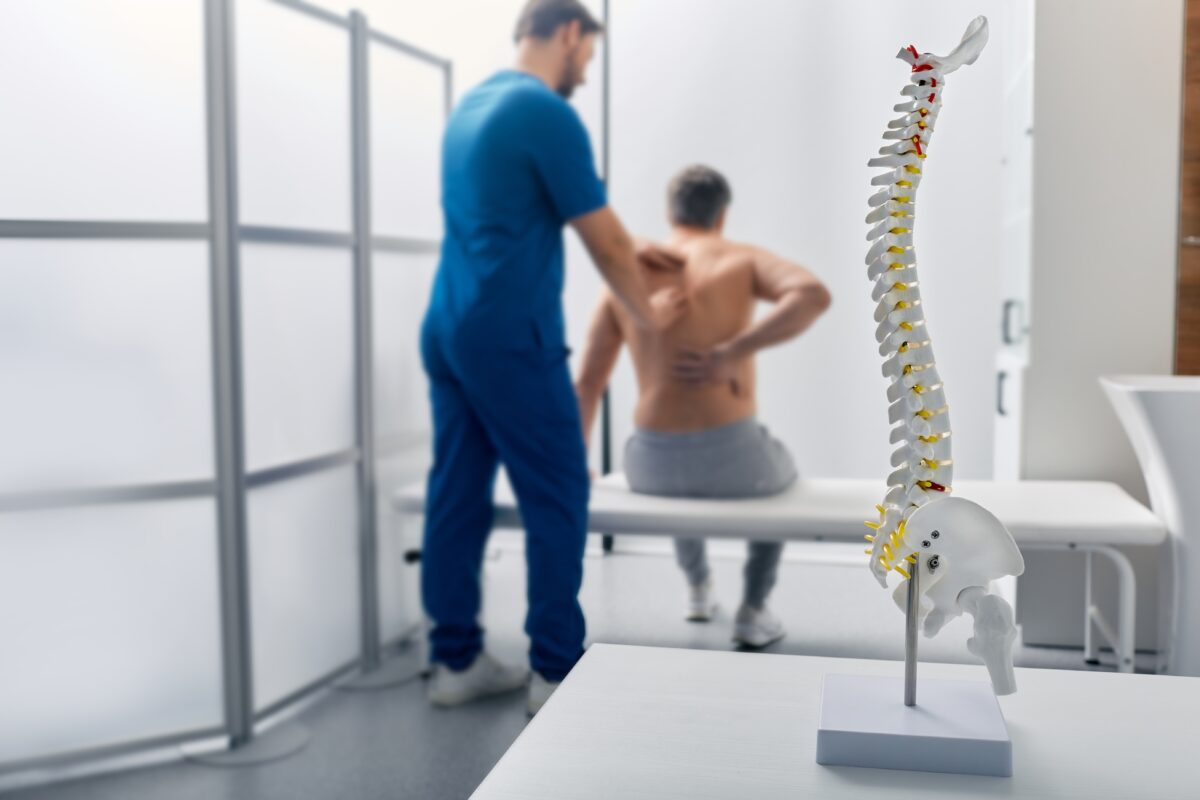
Back pain occurs when any of the regions in your back are inflamed, including the spine, different muscle groups, and various nerve endings. Your posture is the most common cause of lower back pain when you sit. If your back of legs hurt when sitting, something more serious with your spine is going on.

Nevertheless, if you sit too long, you might lose the cushioning in the discs in your vertebrae. The result is chronic back pain, particularly when sitting. Although society describes sitting as “natural,” it isn’t always so. Sure, we’re expected to sit all the time since that’s the usual semi-resting position.

However, from an anatomical standpoint, the human body is designed to stand upright. In this way, your body is more supported by your core, and your weight is evenly distributed. You essentially push your body out of alignment when you sit down.

In spite of the fact that pain can be caused by taking a rest for too long, poor posture behind an office desk can also be a big reason leading to back and leg pain when sitting. Your spine may also be affected by improper lifting, trauma, infection, or carrying a heavy load over a long period of time.


Common Causes for Back and Leg Pain When Sitting

Back and leg pain when sitting often occurs as a result of sciatica, herniated discs, muscle strains, degenerative disc diseases, osteoarthritis, spinal stenosis, inactivity, and poor posture.

  • Sciatica is a painful condition going down the back of the leg as a result of irritation or pressure on the sciatic nerve. From the lower back, down each leg, the sciatic nerve is the longest nerve in the body. Sensations are sent to the back of the thigh, the outer and back parts of the lower leg, as well as the soles of the feet.
  • Herniated discs occur when the soft, jelly-like center of an intervertebral disc (the cushion between bones in your spine) pushes through a tear in the tough outer layer. Back, neck, arm or leg pain, numbness and weakness can result from pressure on the spinal cord or nerves.
  • Muscle strains are injuries to muscles or tendons, which connect muscles to bones. When you lift something too heavy or when you overuse your muscles, you can strain your muscles.
  • Over time, the discs in your spine break down, causing degenerative disc disease. Disks lose their cushioning ability as they break down, putting pressure on the nerves in your spine. If your back of legs hurt when sitting, it may simply be because of aging — which happens to everyone.
  • As the spinal cord and nerves are housed within the spinal canal, spinal stenosis narrows this space. Back, neck, arm or leg pain, numbness and weakness can result from this narrowing.


The Real Question

How can you determine if your back and leg pain when sitting is caused by sitting and not some other cause? Sleeping on your side may also cause back, neck, or even shoulder pain. Being honest with yourself is crucial for getting the right diagnosis.

Sedentary lifestyles are common among Americans. Does your chair meet ergonomic standards? What’s your posture at your desk? Are you slouching? Is the pain getting worse over time? Your problem may be solved by answering some of these questions.

Sitting isn’t the real issue. Most people would have back pain problems if that were true. Sitting in the wrong chair, sitting for too long, sitting in an unhealthy position, as well as ignoring these problems for too long are all contributing factors. Furthermore, you might want to research the concept of proper sitting so you can recognize if you’re doing something wrong. Calf pain while sitting is a constant reminder for many patients that something deeper is going on.

Anyone who works a desk job can relate to just how likely it is for all of these factors to coincide, even though it may seem like a perfect storm of coincidences to some. Additionally, they probably suffer from back pain from sitting at a desk all day.


Sedentary Lifestyle: Back and Leg Pain When Sitting

Back and leg pain when sitting is commonly caused by sedentary lifestyles and desk jobs. In spite of the fact there are many ways to treat this problem, prevention is always the best option.

The latest ergonomic trends for U.S. workers are eye-opening:

  • The average American spends more than eight hours a day sitting down.
  • The death rate increases by 71 percent with a sedentary lifestyle.
  • Physical fitness in the United States ranks 143 out of 168 countries.
  • Physical inactivity is more prevalent among women than among men.
  • Physical inactivity is linked to 6 percent of deaths worldwide.
  • The risk of death is 55 percent lower for people who sit for less than 30 minutes at a time.
  • Sedentary behavior increases the risk of cardiovascular disease by 147 percent.
  • There is a 66 percent increase in cancer risk associated with sedentary behavior.
  • The risk of diabetes increases by 112 percent when you sit for long periods of time.
  • Depression, dementia, and Alzheimer’s are much more likely to develop in people who sit for more than seven hours a day.
  • There has been an 83 percent increase in sedentary jobs since 1950.
  • By moving just two minutes every hour, premature death risks can be reduced by 33 percent.

A pain-free future begins with being aware of the dangers of these lifestyles and career choices. As your back of legs hurt when sitting, remember these facts. Use them to help you make some healthier, ergonomic choices.


Treatment for Back and Leg Pain When Sitting

So what does back and leg pain when sitting have to do with trigger points? We’re glad you asked.

A trigger point can develop in any muscle, but the most common muscles treated with trigger point injections include muscles in your jaw, neck, hip, a deep muscle in your low back, the muscle that extends over your back, your shoulders, the front of your neck, and the sides of your head. When touched, they are tender and painful areas of muscle. Despite coming from the trigger point, they can cause pain elsewhere in the body.

In the buttocks, piriformis syndrome can be caused by trigger points that affect the piriformis muscle. During this condition, your sciatic nerve is compressed by the piriformis muscle. You will feel pain or numbness in your buttocks and down the back of your leg as a result. If the back of legs hurt when sitting, you can envision what’s happening in that area of your body.

Injections for trigger points are used to treat pain caused by these trigger points. Various conditions can be treated with these injections, including neck pain, back pain, shoulder pain, arm pain, calf pain while sitting, myofascial pain syndrome, and even fibromyalgia. Professionals such as doctors and physical therapists perform the injections. Medications will be injected into the trigger point by your pain management professional. There are two types of medication that may be used: Local anesthetics and corticosteroids. With injections usually lasting only a few minutes, the local anesthetic will numb the area, and the corticosteroid will reduce inflammation and pain.


More on Trigger Point Injections

Whenever your pain management specialist locates a trigger point manually prior to injecting medication, you are likely to feel some pain. When the needle and medicine are inserted, you may feel a stinging and burning sensation. You may feel a brief increase in pain when the needle tip touches the trigger point. Despite being uncomfortable, this pain indicates the needle has been inserted correctly.

Physical therapy or massage therapy may be combined with trigger point injections in some cases. As a result, the injections can be more effective and provide long-term pain relief. If over-the-counter pain medication, heat therapy, massage therapy, myofascial release, and physical therapy have not improved your trigger point pain, a trigger point injection may be right for you. Pain relief, inflammation reduction, improved range of motion, and muscle function are all benefits of trigger point injections.

Injections in trigger points are generally considered safe and can provide pain relief to patients with back and leg pain when sitting who do not find relief with more conservative treatments, like over-the-counter pain medications or physical therapy. Depending on the affected muscle, injections can also improve range of motion and overall muscle functionality.

A pain management specialist needs to perform a thorough physical exam and rule out other possible causes of your pain before recommending trigger point injections. Among them are spinal issues, such as degenerative arthritis, a herniated disk, or spinal stenosis; structural causes of back pain; muscle strains; and calf pain while sitting.


Wellness and Pain Can Help

A range of options for back and leg pain when sitting are available at Wellness and Pain. We offer conservative treatments, routine visits, and minimally invasive quick-recovery procedures. We can keep you free of problems by providing lifestyle education and home care advice to help you avoid and manage issues, quickly relieving the inhibiting lifestyle conditions for when your back of legs hurt when sitting.

At Wellness and Pain, we personalize patient care plans based on each patient’s condition and unique circumstances to relieve pain, improve mobility and mental space, and improve your overall health.

Want to learn if trigger point injections are right for you?

A close-up of someone receiving acupuncture for back pain.

Acupuncture for Back Pain: Expectations, Benefits & More

Acupuncture for back pain can overcome many health issues. It can also help treat, chronic (long-term) pains such as arthritis, back pain, neck pain, shoulder pain, knee pain, headaches, migraines, sports injuries, jaw pain, sinus congestion, facial pain, neuropathy, and menstrual cramps.

Scientists don’t yet understand the exact healing factors of acupuncture and back pain therapy. However, many believe it involves a combination of mechanisms. For one, your body releases endorphins, which relieve pain. By stimulating your nervous system, you can control mood, pain, and other bodily functions. Additionally, it relieves stress and helps you relax.

Acupuncture for chronic back pain is historically a form of traditional Chinese medicine that involves inserting thin needles into the skin at specific points on the body. Each point influences key things like organs, emotions, and senses. Acupuncture can also help with anxiety, depression, insomnia, headaches, migraines, nausea and vomiting, menstrual cramps, fertility problems, smoking cessation, and weight loss.


Benefits & Patient Dynamics of Acupuncture for Back Pain

There are several benefits of acupuncture for back pain when it comes to your spine and intertwined nervous system. It can reduce inflammation and pain while increasing flexibility, or range of motion. As well as reducing muscle spasms, improving sleep, and boosting overall mood, it can also help you with relaxation.

The severity of back pain and its response to treatment determine how many acupuncture and back pain sessions are needed. It usually takes 6 to 12 sessions for most people to feel relief. In some cases, more sessions might be necessary, while in others, fewer sessions may be sufficient.

How much acupuncture treatment for back pain is needed can be influenced by the severity of the pain, the individual’s response to treatment, the cause of the pain, and the patient’s overall health. To create the right treatment plan for you, a qualified acupuncturist can assess your individual needs.


Acupuncture for Back Pain: What You Can Expect

If you receive acupuncture for back pain, you’ll lie on a comfortable table and be cleaned by the acupuncturist. They will then insert very thin needles into specific points on your back.

The needles may cause a slight pricking sensation and you may feel some warmth or tingling after they are inserted. The average acupuncture treatment lasts between 15 and 30 minutes, but sometimes more, depending on your condition.

After your first acupuncture and back pain treatment, you might feel relaxed and calm and your pain might subside. Acupuncture is most effective after a half-dozen — or up to a dozen — treatments.

In addition to mild bruising at the needle insertion sites, acupuncture can cause lightheadedness or dizziness after treatment. An allergic reaction to acupuncture can occur in very rare cases. Your acupuncturist should be informed of any side effects experienced after acupuncture.

The first time you receive acupuncture for back pain, getting a ride home is always a good idea. Try to rest for five to ten minutes before driving home if that is possible. Following each session, your practitioner may advise you to take it easy.


How Acupuncture for Back Pain Does the Trick

In order to understand how acupuncture for back pain works, researchers have developed two hypotheses. According to one theory, the needle stimulates pain-sensing nerves, which trigger the brain to release endorphins, which are similar to opium. A placebo effect, in which the patient’s thoughts release endorphins, is another theory regarding acupuncture.

Acupuncture therapy restores your Qi (pronounced “chee”) balance by pressing needles on acupuncture points throughout your body. The body contains hundreds of acupoints that compose the energy-carrying channels known as meridians. The insertion of needles releases endorphins, a natural painkiller and neurotransmitter produced by your body.

Causative factors for lower back pain caused by internal disorders can be quite complex, as various pathogenic factors are often present at the same time. After identifying the chief and secondary causes of chronic back pain, one can apply a corresponding acupuncture treatment.

Stagnation of Qi and Blood usually causes chronic lower back pain. Both herbs and acupuncture points can promote Qi and Blood circulation and relieve pain; however, acupuncture points in the local region are crucial to relieve pain. It is crucial to differentiate which channel is mainly involved when selecting acupuncture points to treat lower back pain. Your acupuncture for back pain treatment will not be effective without this step.

The causative factors of lower back pain are not easy to eliminate completely with acupuncture, despite the fact it can successfully control lower back pain. Chronic cases often require regular, ongoing acupuncture treatment for back pain.


Acupuncture for Back Pain: Easing a Group of Symptoms

Lower back pain is expected to increase significantly as the global population ages, becoming one of the most common medical conditions for which the aging population seeks acupuncture for back pain treatment. Working adults (ages 18 to 64), who account for 63 percent of the population, make the majority of low back pain health care visits.

Low back pain affects all age groups across the lifespan, as it is not a disease. The prevalence of this is higher in women between the ages of 35 and 55. Acute, subacute, and chronic low back pain can be classified based on onset, duration, and severity. In addition to occupational posture, depressive moods, obesity, gender, and age, a combination of these factors most likely affects the risk.

Acupuncture and back pain research is growing, but interpreting it is still a challenge. A well-trained practitioner may provide acupuncture to most people with low risks of side effects and some beneficial effects. You may want to try acupuncture if other treatments have not worked. The right acupuncture for back pain may not be acupuncture if it does not improve within six to eight weeks.

Studies have found that non-pharmacological interventions such as acupuncture for back pain can provide safer benefits than pharmacological or invasive treatments. In acupuncture trials, the harm level warnings were lower than those for spinal manipulation, non-steroidal anti-inflammatory drugs (NSAIDs), a combination of opioids, or steroid injections.


Four Common Scenarios According to Acupuncturists

Acupuncturists who specialize in acupuncture for back pain diagnose patients within four common categories:

  • Symptoms of trauma, such as a car accident, may include local stabbing pain in the low back as a result of stagnation of blood.
  • People over 40 often experience kidney Qi deficiency. In addition to the kidney meridian, the spine, the low back, and the knees are all part of the kidney meridian. Joint pain and stiffness can occur when kidney Qi is weak. Western-style diseases of the kidney may contribute to the deficiency of kidney Qi.
  • The management of anger, emotion, and stress is another cause of back pain. Road rage, frustration, and things of the like often result from this. In this case, an acupuncturist might consider liver chi stagnation as the diagnostic pattern
  • Lastly, there’s always the chance of a wind-cold scenario. Cold temperatures tend to cause blood to stagnate, which can cause pain — especially if the wind is blowing. Cold climates or iced backs may put you at risk for wind-cold infection. This pattern is characterized by a tight and painful low back, low energy, and frequent urination.

Most Americans think about and pay attention to health through our Western medical system. It has only been in the last 30 years that holistic therapies — especially for neck, back, and other joint problems — have made their way into the mainstream. Acupuncture for back pain is one of these treatments.


What Makes Acupuncture Different

Unlike Western medicine, acupuncturists think differently. Chinese medicine takes the personality of the patient into account when prescribing a medicine or therapy. Westerners think in terms of that particular medicine or therapy for that particular problem. It’s an incredibly complex structure.

That’s why decades of development of acupuncture for chronic back pain has been making huge inroads across the nation as a well-respected alternative — if not a “go to” — for so many patients nowadays.


Wellness and Pain

A doctor who cares about your health and wellbeing is a better choice if you’re considering acupuncture for back pain. Wellness and Pain offers acupuncture therapy options. Our treatments include conservative treatments, minimally invasive procedures, and surgery. We can help you avoid and manage problems by providing lifestyle education and home care advice, and we can quickly relieve the conditions inhibiting your life by using state-of-the-art acupuncture treatment.

We customize our care plan to each patient’s medical condition and unique circumstances, aiming to reduce pain, improve mobility, enhance mental clarity, and improve overall health.

A patient receiving vein ablation treatment in an operating room with doctors.

Vein Ablation Treatment: Procedure and Recovery

The purpose of vein ablation treatment is to reduce discomfort and alleviate your symptoms so you can get back to living a healthy life. The procedure also reduces complications as a result. Treatment for venous insufficiency will depend on the severity or stage of the condition.

Some of the benefits of vein ablation treatment include the fact that it’s a minimally invasive procedure that doesn’t require any incisions or stitches. The procedure usually takes place as an outpatient, and patients are able to resume their normal activities within a few days of the procedure. Moreover, researchers have proven its long-term effectiveness and safety for the treatment of varicose veins.

You should not only discuss the benefits of ablation in leg veins with your doctor but also how this unique treatment is applied and what you can expect.


How Vein Ablation Treatment is Performed

A vein ablation treatment procedure involves inserting a thin, flexible tube into the affected vein. Using a laser or radiofrequency energy, doctors close off the vein. Eventually, the vein will collapse and disappear.

In essence, vessel ablation seals or closes veins using heat or laser energy. Using a small probe, radiofrequency ablation (RFA) can destroy veins — also known as ablation RFA.

The two main types of vein ablation treatment are radiofrequency ablation and laser ablation. In spite of the frustration associated with recurrent varicose veins, rates of recurrence are low with newer techniques, and patterns of recurrence are easily recognized. Clinical outcomes are excellent when physicians treat these new refluxing veins with multiple tools.

Sclerotherapy, phlebectomy, and saphenous ligation are other non-invasive and somewhat invasive techniques. Sclerotherapy involves injecting saline water, foam, or a chemical solution into the affected vein to harden it. Other veins grow around it to bypass the one that the body is no longer using, as a result. A phlebectomy involves a surgeon removing the damaged veins through small incisions made near the vein. Lastly, a saphenous ligation involves tying off and removing the affected vein, allowing other veins to fill in for it.


Post-Procedure Recovery: Vein Ablation Treatment

Depending on the extent of the vein ablation treatment procedure, doctors use different types of anesthesia. For small varicose veins, local anesthesia is often used to numb the area around the vein. Patients with larger varicose veins or anxious about the procedure may require general anesthesia, which puts them to sleep. However, most doctors usually recommend non-invasive local anesthesia for a smooth procedure and healthy recovery period.

In the recovery room, the patient will rest after the procedure. They will need to wear compression stockings for several weeks afterward to prevent blood clots.

After the procedure, patients may experience some bruising and swelling, but these side effects usually disappear within a few weeks. After deep vein ablation surgery, varicose veins may recur. Overweight or obese patients are more likely to develop varicose veins if they have a family history of them.

In most cases, procedures are accomplished in a clinic or on a day-case basis. Overnight stays are rare. To reduce bruising and promote healing, doctors firmly apply bandages to your leg (or legs). It’s possible to replace the bandage with a stocking after a couple of days and wear it for up to one week. Wearing the stocking day and night may be easier during the first few days. You can then wear the stocking only during the day if the leg feels comfortable without it at night. Get up and move around your house, or even outside in a yard or garden, either laying with the leg elevated or elevating the ankle. Stand up slowly and avoid crossing your legs for an extended period of time.  Many patients find they can walk at least a mile, if not more, every day during the recovery process.


After Treatment

It’s possible for the treated deeper vein to become sore within three to five days after your vein ablation treatment procedure. Treatment reactions like this will settle in time as a result of the treatment.  For a few days, anti-inflammatory painkillers can ease the discomfort. Instead of stitches, skin glue or tape is usually used to close small cuts on the leg after a phlebectomy. In most cases, stitches can be dissolvable.

It can take up to four days to recover from ablation RFA or endovascular ablation (without any phlebectomies). However, a phlebectomy, which uses a small scalpel or needle to remove varicose veins, would also unavoidably result in some discomfort and bruising. As a result of vein removal, the severity varies.

In most all cases, the soreness will subside within five days or shorter, but it will take a while for the bruising to completely disappear. You can reduce this bruising by keeping mobile after the procedure and wearing the provided stockings. It’s rare for wounds that are this small to become infected.


Untreated Varicose Veins and Vein Ablation Treatment

Untreated blood circulation, venous disorders, and varicose veins can lead to even more pain — putting vein ablation treatment on your radar. Leg pain and heaviness are common symptoms of varicose veins, especially after prolonged standing. The pain, itching, and other symptoms of varicose veins can get worse over time, since varicose veins often progress.


Other Conditions to Look out for

Not treating your issues and avoiding ablation in your leg veins can lead to the following conditions:

  • The presence of edema. A varicose vein causes liquid (water and protein) to leak into nearby tissues, due to the added pressure within the vein.
  • There is a condition known as superficial thrombophlebitis (STP). Varicose veins often lead to phlebitis, an inflammation of the vein walls. Inflammatory superficial veins form clots directly under the skin, which can cause a red-hot hard knot under the skin.
  • The most common type of thrombosis is deep vein thrombosis (DVT). The symptoms of DVT are caused by blood clots forming in deep veins of the leg. Symptoms include leg pain, swelling, redness, and tightness.
    • You should seek medical attention or vein ablation treatment as soon as possible if you have DVT.
  • The condition of stasis dermatitis. As a result of prolonged saphenous vein reflux, stasis dermatitis occurs. When it first appears on the inside of the ankles, it can progress to turn the entire ankle and lower leg red and brown.
  • Ulceration on the skin. The majority of venous ulcers occur around the ankles, where they simply do not heal. The brown and red skin color changes caused by stasis dermatitis result from long-term superficial venous insufficiency (improper functioning valves in the veins).

The United States is experiencing a major problem of Chronic Venous Insufficiency (CVI). Approximately 5 percent of all Americans have some changes associated with CVI. Adults with varicosities are estimated to have 5 to nearly 60 percent of them, with 35 to 45 percent of them experiencing clinical varicose reflux. Venous stasis ulcers affect about 500,000 people. A 92-per-hundred-admission rate for CVI is the average.


Tips for Dealing with Vein Pain at Home

For some individuals, vein ablation treatment is in sight but might be days or weeks away. The following are some steps you can take right now if you are suffering from venous insufficiency so you can manage the symptoms or slow its progression:

  • Dress loosely and avoid wearing high heels.
  • Keep your blood pressure under control by seeing a doctor regularly.
  • Keep an eye out for ulcer symptoms on your skin every day.
  • Maintain a daily skin-moisturizing routine.
  • Ensure that your diet is balanced, and do not exceed the daily salt or sodium recommendations.
  • Maintain a regular exercise schedule throughout the week.
  • You should avoid long periods of sitting or standing. Move around regularly during breaks.
  • Keep your legs elevated periodically throughout the day. Make it a routine to do so.
  • Keep your weight moderate.
  • With your doctor’s guidance, wear compression stockings or wraps to improve blood flow.

It’s easy to become disabled and for your venous insufficiency to worsen without having deep vein ablation. You may require clinical vein ablation treatment for several years in such cases. Even with ablation in leg veins, people can experience complications. Consult your doctor or health specialist first.


Wellness and Pain

When it comes to vein ablation treatment, you’re better off knowing all the facts up front and seeing a doctor who truly cares about you and your health. A quick evaluation may include a blood flow and circulation ultrasound test for vascular disease, or another simple test.

Practitioners at Wellness and Pain confidently provide these important evaluations, apply their professional expertise, and offer the caring and sensitive vein ablation treatment you need to improve and eliminate any symptoms you are experiencing.

We Accept Most Insurances

Wellness and Pain accepts most major insurance plans. Here is a list of some of the major insurance plans we accept. If you do not see your insurance plan listed, please call our office to confirm.

Call Us Appointment Locations
Hi, How Can We Help You?